


Umbilical hernia in dogs and cats is a congenital abnormality where the body wall does not close properly at the location where the umbilical cord was attached (i.e., the navel). This problem results in a hole or gap through which fat or intestines can protrude from the abdominal muscles. This hole is referred to as a “hernia,” and the protrusion that can be felt under the skin may be known as a hernia sac. The following content includes information about umbilical hernias in pets, symptoms, treatment, surgery, and potential complications.
Umbilical Hernia in Dogs and Cats at a Glance
The umbilical area is the location where the connection between the mother and the fetus is established through the placenta. This area normally closes after birth, and the abdominal wall at the umbilical site connects and maintains its integrity. In some cases, the connection at the abdominal wall may not close completely, and some internal organs may pass through this gap to the outside of the abdominal wall; this condition is known as an umbilical hernia.

Causes of Umbilical Hernia in Puppies and Kittens
An umbilical hernia can occur due to various reasons, but is often congenital in nature. In some cases, local infections in the umbilical area may prevent complete closure of the abdominal wall. Moreover, genetic factors may also play a role in causing this condition. Puppies are more likely than kittens to be affected by this condition. It is recommended that animals born with umbilical hernias not be used for breeding. While some hernias can cause issues, most animals with an umbilical hernia can lead a normal and healthy life. It is very important to follow the veterinarian’s advice regarding your pet’s specific hernia, as not all hernias are alike.
Symptoms of Umbilical Hernia in Dogs and Cats
Common symptoms of an umbilical hernia include a bulge in the navel area that may be accompanied by pain or not. Sometimes the size of this bulge may change due to the pet’s physical activities; for instance, during periods when the pet barks, goes to the bathroom, or eats, the size of the hernia may increase. However, in some cases, it may remain unchanged in size.
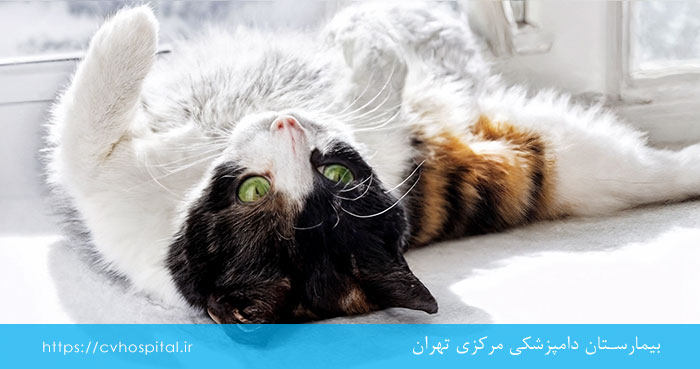
Do Umbilical Hernias in Pets Hurt?
In most cases, these masses are not accompanied by pain, inflammation, or local warmth unless the situation deviates from a normal state and twisting occurs in the organs protruding from the hernia. This twisting can cause severe pain in the area. In such cases, any pain, severe inflammation, or excessive warmth can be warning signs indicating the need for immediate surgical intervention.
Diagnosis of Umbilical Hernia in Animals
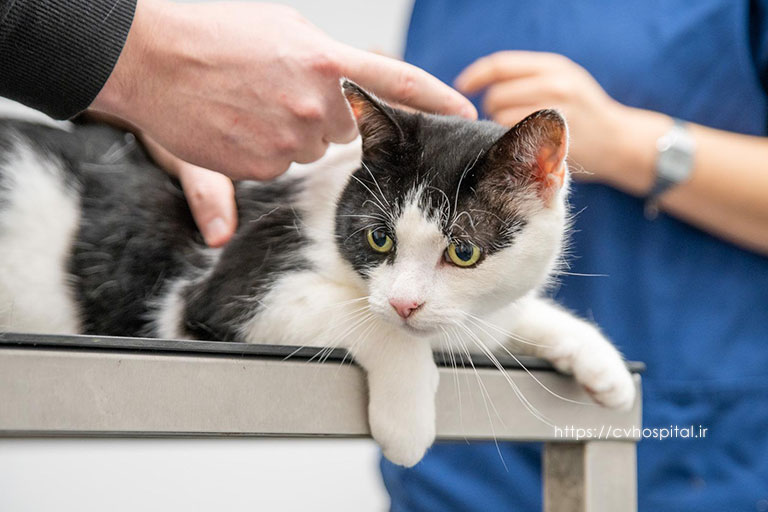
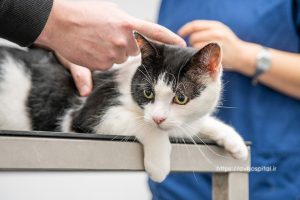
A veterinarian can diagnose an umbilical hernia during a physical examination. They can not only palpate the soft tissue bulge under the skin in the navel area but can also feel the underlying hole in the body wall. The hernia should be monitored over time, and the veterinarian will determine whether corrective surgery is necessary.
Examination for Diagnosis of Prolapsed Umbilical in Pets Small hernias often adhere to the surrounding tissues over time and remain at a fixed size that does not change. These types of hernias usually do not pose health problems and the mass resulting from the adhered tissue may remain unchanged for the pet’s entire life.
Prevention of Umbilical Hernia
The most important preventive measure is to avoid mating and breeding animals with a history of umbilical hernia, as this condition often has a genetic origin. Additionally, proper care of the umbilical cord of the newborn immediately after birth, including keeping it dry and clean and preventing local infection, is effective in reducing the likelihood of hernia formation. A thorough examination by a veterinarian during the first check-up after birth is crucial for early detection and timely intervention. In specific cases, if there are early signs or weakness in closing the abdominal wall, the veterinarian may recommend early surgery or conservative care to prevent the progression of the hernia.
Treatment of Umbilical Hernia in Cats and Dogs Without Surgery
In cases where the size of the hernia ring is small and the protruded organ is not vital, conservative treatments may be considered. Also, in cases where the pet undergoes elective surgeries such as spaying or neutering, hernia correction may be performed simultaneously.
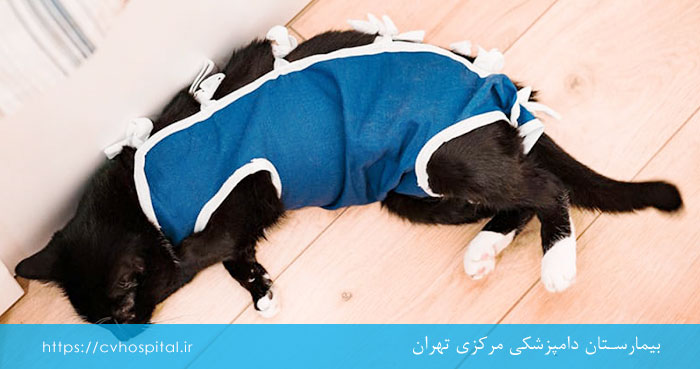
Surgery for Umbilical Hernia in Dogs and Cats
Large hernias and hernias that do not adhere to surrounding tissue (i.e., fat or intestines are still freely moving in and out of the hernia) need to be corrected surgically. In most animals, this surgery is done around six months of age and coincides with spaying or neutering the animal (remember that these animals should not be used for breeding). This is a simple and common procedure where the hernia hole is permanently closed. After healing from the surgical incision, the hernia bulge will no longer be visible and the abdomen will appear flat. In umbilical hernia surgery, the surgeon first opens the hernia sac and returns the displaced organ into the abdomen. If there is damage or disruption in the blood supply to that organ, necessary corrections will be made. These types of surgeries are usually associated with very good prognoses and do not require much special postoperative care.
- To inquire about the cost of umbilical hernia surgery for dogs and cats, contact the Central Veterinary Hospital for guidance from our staff.
Possible Complications
An umbilical hernia that is not surgically corrected may pose a danger to the animal. The intestines (and even some abdominal organs, depending on the size of the hernia) can become trapped in the hernia and suffer from obstruction and loss of blood supply. This situation may occur when the intestinal contents trapped in the hernia sac cannot return to the abdomen because there is not enough space to pass through the hole in the body wall. The part of the intestine trapped in the hernia is referred to as intestinal obstruction, and the pressure from the tight hernia can cut off the blood flow to that section. Symptoms of intestinal obstruction include vomiting, abdominal pain, and lethargy. The hernia in this case may become firm, hot, and painful. To diagnose this condition, radiography or ultrasonography may be needed. This is an emergency situation that must be treated immediately with surgery, and it can threaten the animal’s life.
Summary and Important Recommendations
An important point that pet owners should pay attention to is the change in the size of the hernia and its enlargement. In many cases, the intestines or other abdominal organs may enter the hernia ring and fail to return to the abdomen. This condition will require urgent surgical intervention. For immediate consultation with a veterinarian regarding umbilical hernias in dogs and cats, you can contact us through the numbers listed on the website and make an appointment. Our colleagues in various departments of the Central Veterinary Hospital are available 24/7 to examine and treat animals.
Frequently Asked Questions
Is an umbilical hernia in a cat or dog dangerous and does it definitely need surgery? In most cases, a small umbilical hernia does not pose an immediate danger and may remain without pain or specific symptoms. However, if the hernia is large or internal organs such as the intestine become trapped in it, it may undergo twisting or obstruction, which is very dangerous and requires emergency surgery. The severity and type of hernia should be diagnosed by a veterinarian.
How can I tell if my pet has an umbilical hernia? The most common sign of an umbilical hernia is a soft bulge or mass in the navel area that may be seen in some positions and disappear in others. This mass is usually painless but can become tender or painful if pressed or inflamed. A physical examination by a veterinarian can accurately diagnose the hernia.
Can I wait for the umbilical hernia to resolve on its own, or should I act quickly? If the hernia persists until the age of 6 months or enlarges, it usually requires corrective surgery. Delaying treatment in some cases may pose serious health risks to the animal.