





bad breath in dogs is a serious challenge that always causes concern for those who keep dogs. Before using mouth fresheners, the root cause of the dog’s bad breath must be identified, and it should be addressed with clinical and home remedies. The unpleasant odor from a dog’s mouth is a serious sign of their health problems, which we will thoroughly examine in this article.
Cause of Bad Breath in Dogs
The reason for bad breath in dogs is of great importance to those who keep these animals. Because disruptions in the functioning of the digestive system, liver, kidneys, as well as the teeth and gums of dogs show specific signs, one of which is the foul odor from the dog’s mouth. Of course, the type of odor can also be a very good guide for diagnosing its cause. The smell of feces, the smell of urine, and even the smell of fish are among the main odors that can be detected from their mouths when there is a health disturbance in dogs. The main reasons for bad breath in dogs include the following:

Dental Hygiene Issues
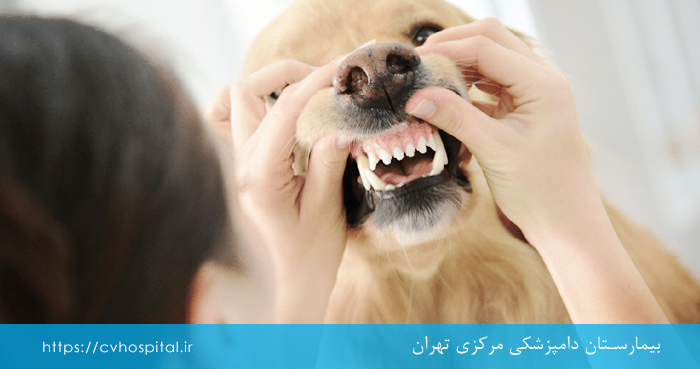
If plaque and tartar accumulate on a dog’s teeth, a bad odor will be emitted. In most cases, the smell of rotten fish from a dog’s mouth is due to dirty teeth and tartar buildup. Additionally, periodontal disease, which is a serious gum disease, causes bad breath in dogs. This disease occurs due to neglect of dental hygiene and the recession of their gums due to excessive tartar accumulation, ultimately leading to gum infection, destruction of dental tissue, and the release of bad odor from the mouth.
Improper Eating Habits
Dogs’ recreational feeding from food scraps found in trash cans and even eating feces from dogs and cats leads to the release of foul odors from their mouths. In many cases, consuming feces also leads to symptoms like vomiting and diarrhea, which require further care to prevent.
Diabetes
Dogs with diabetes have a sweet, foul odor from their mouths, and their owners should take them for specialized examinations should common symptoms of this disease, such as excessive thirst, be observed. They must take action to manage diabetic infections in dogs.
Kidney Disease
Bad breath in dogs most often occurs due to kidney diseases. In many cases, the smell of urine can be detected from the mouths of dogs with kidney disease, which is a strong indication of functional disorders of the kidneys.
Liver Disease
Dogs with liver disease, in addition to having bad breath, show symptoms such as yellow gums, decreased appetite, and vomiting, which indicate their liver disease. For more precise diagnosis and prompt treatment, a visit to the veterinarian is necessary.
Oral Tumors
Many older dogs suffer from oral cancer and tumors, which occurs due to the weakening of their immune system as a result of aging. With the appearance of oral tumors, the death of mouth cells (necrosis) occurs, leading to infection and the creation of foul odors from the dog’s mouth.
Nutritional Deficiencies
Many dogs kept at home suffer from bacterial imbalance in their intestines due to following routine home diets and consuming raw food, which can contribute to the release of foul odors from their mouths.
Eliminating Bad Breath in Dogs
Given the various causes of bad breath in pet dogs, addressing it is a priority. People who care for dogs often resort to various mouth fresheners to eliminate the problem of bad breath. However, it is essential to first visit a veterinarian to have their health checked through specialized examinations to identify the root cause of bad breath. If the veterinarian checks and finds no serious issues with the liver, kidneys, intestines, etc., specific treatments should be taken to eliminate their bad breath using approved and common methods. 
Treating Bad Breath in Dogs and Home Remedies
To eliminate bad breath in dogs, it is advisable to take the following actions to gradually resolve the issue:
Importance of Dental Hygiene for Dogs
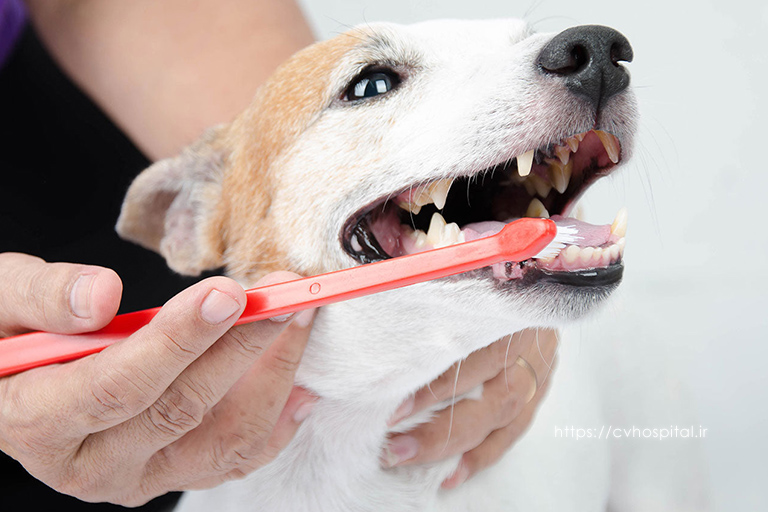
Dogs that chewy foods consume rarely suffer from plaque buildup or gum diseases, but for those consuming wet foods, regular teeth cleaning is essential. Using human toothpaste and toothbrushes for dogs is not recommended. By using various dog toothbrushes and suitable dog toothpaste, you can clean their teeth daily to remove tartar, plaque, and leftover food debris between their teeth, preventing bad odors from arising. If dental examinations indicate a need for tartar removal or tooth extraction, be sure to proceed with these actions.
Paying Attention to Dog Diet
Prevent dogs from playing with trash and keep their environment free of any dog and cat feces to avoid them eating feces and food scraps. Also, refrain from giving them too much raw food to avoid disrupting their intestinal bacterial balance. Use dog dental powder, mouthwash additives, etc., which contain antibacterial substances to eliminate the bacteria in their teeth and mouth.
Fresh Fruits and Vegetables
One of the home remedies for eliminating bad breath in dogs includes using parsley, mint, apples, carrots, and other crunchy items that contain vitamins A, C, and beta-carotene. These chewable products promote oral hygiene for dogs and provide essential nutrients for their bodies.
Coconut Oil
Restricted and controlled use of coconut oil can lead to better digestion and eliminate internal parasites in dogs, thereby controlling their bad breath.
Lemon Juice and Apple Cider Vinegar
Adding a tablespoon of lemon juice and apple cider vinegar to dogs’ water can help eliminate bacteria in their mouths and intestines. 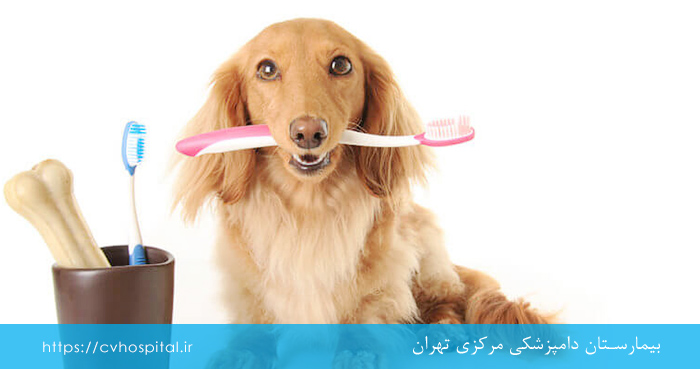
Preventing Bad Breath in Dogs
To prevent bad breath in dogs, the first step is to brush their teeth daily, which can freshen their breath and prevent tartar buildup. Additionally, using chew toys for dental health and preventing tartar formation is a good way to control a dog’s bad breath. Incorporating fresh vegetables like parsley and mint throughout the day can also be beneficial.
Final Word
Bad breath in pet dogs is a concerning issue that causes worry for their caregivers as well. By understanding the causes of bad breath in dogs (tartar, oral disease, diabetes, liver and kidney problems), treatment can be started easily. The first step for treatment is to visit a veterinarian, and if the problem is not serious, home remedies can be used to eliminate the dog’s bad breath.
Frequently Asked Questions
What causes a dog to have a fishy breath? Fishy breath in dogs occurs due to dental problems, imbalance of intestinal bacteria, and also kidney disorders.
How can we freshen a dog’s breath? By providing fruits and fresh vegetables such as mint and parsley, brushing daily, offering drinking water containing vinegar or lemon juice, and using mint-flavored breath freshening tablets, a dog’s mouth can be freshened.
What can be a substitute for a toothbrush for dogs? Oral sprays and gels specifically designed for dogs are suitable substitutes for a dog brush, which should be applied only to their teeth to clean and remove tartar.