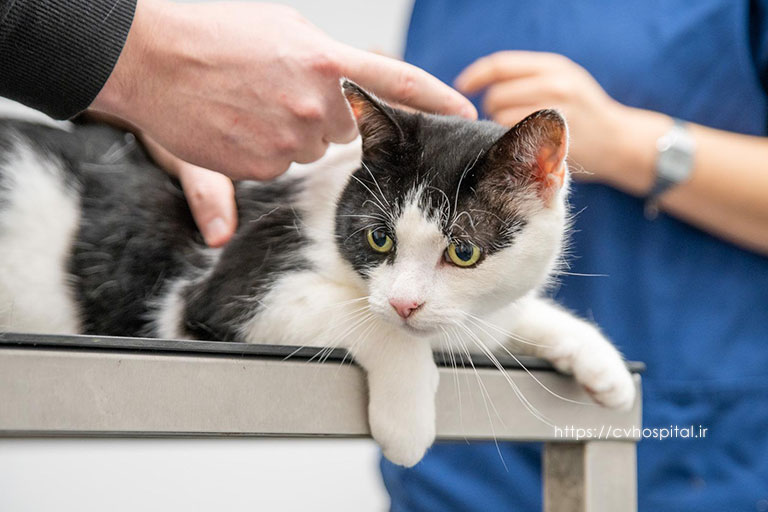





As pet animals like dogs and cats have high levels of activity and movement, the likelihood of problems such as cruciate ligament tears in dogs, radial nerve damage in cats, sciatic nerve damage in both dogs and cats, and other issues increases. But is surgery necessary in all cases? In response to this question, the answer is no, provided that you take the animal to the veterinarian as soon as possible. If the veterinarian determines that the animal’s injury is not too severe, it can be treated with supportive treatments such as the use of braces and splints in dogs and cats, and surgery will not be necessary. Join us as we learn more about common problems in pets and their supportive treatment methods in this article.
Cruciate Ligament Tear in Dogs
A torn cruciate ligament in dogs is one of the most common issues that occur in these beloved animals. In many cases, veterinarians recommend surgery to treat the damaged joint. However, if nerve and muscle tests show that the animal’s injury is not extensive, supportive methods such as using a brace and splint can be employed. A very important point in this matter is patience and the owner’s support during the treatment process. After the brace is made and adjusted, the animal must use it for an extended period of at least five to six months, especially during play and movement times.
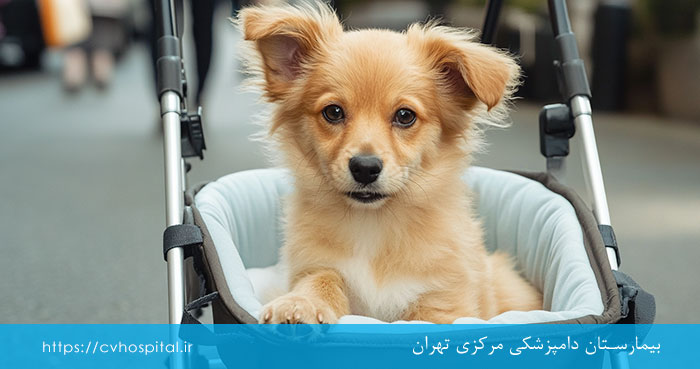
Along with using the brace, the veterinarian may also recommend other supportive methods such as physical therapy and an appropriate diet. Physical therapy can help strengthen the muscles around the damaged nerve and improve the speed and process of recovery. Additionally, a balanced and suitable diet containing the right amount of protein will greatly aid in muscle tissue growth. Note that a minor tear, if not treated, will lead to damage to the other leg as well. This is because, due to pain, the animal instinctively uses the injured leg less and puts more strain on the opposite leg. This issue can gradually lead to problems in both legs of the animal. If you find it difficult to diagnose a cruciate ligament tear in your dog, be sure to visit the veterinarian if you observe the following symptoms in your pet:
- Limping while walking
- Swelling
- Stiffness and rigidity
- Whining while moving
Using a Knee Brace for Dogs
Roxy was one of the cases similar to this issue whose owner visited the center due to the dog’s cruciate ligament tear. Given the partial tear of the posterior cruciate ligament, Dr. Moradi, the specialist veterinarian at the center, designed a knee brace for Roxy instead of opting for invasive surgery. The brace was designed in a graduated manner using a 3D printer. The eight-week treatment for Roxy is still ongoing, but similar cases have been treated successfully with this method, eliminating the need for surgery.
Radial Nerve Damage in Cats
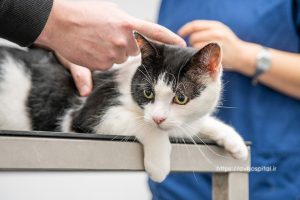
Radial nerve damage is a common problem in beloved cats that causes the drooping of the wrist or carpus. Two methods, nerve and muscle testing, are used to treat nerve damage in animals. Nerve and muscle testing will help the veterinarian diagnose muscular problems and nerve injuries. This test indicates the extent of the damage. In fact, by examining it, the veterinarian will determine whether the animal needs surgery or can be treated with supportive and non-invasive methods. A very important point in the treatment method for wrist drooping in cats is the age of the animal. If the animal is under two years old, the likelihood of success of non-surgical treatment is higher. In this method of treatment, the use of braces and splints for cats or dogs can lead to the complete recovery of the animal after a few months.
Using a Brace for Cats
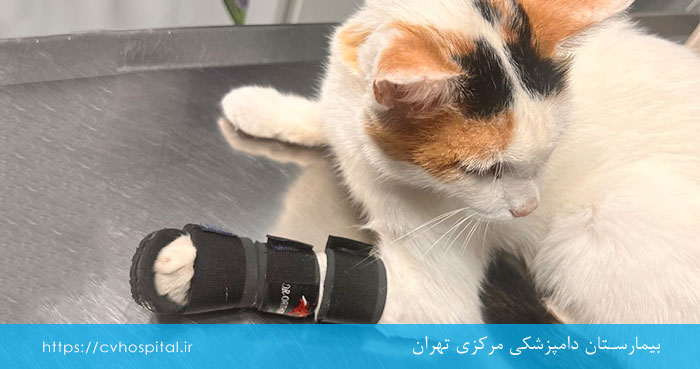
Hazelnut, a domestic cat who suffered radial nerve damage at a young age (under two months), was fully treated in the center using the molding method and a brace over a period of five to six months.
Sciatic Nerve Damage in Cats
Sciatic nerve damage in cats and dogs can occur for various reasons. For treating this injury, surgical methods are usually employed; however, if you visit the veterinarian promptly and if the damage is not severe, non-invasive methods can also be used. Splints are made using 3D printers precisely tailored to the animal’s limb and weigh very little, under 100 grams. Thus, the animal will not be bothered by it and will not have to bear too much weight. Braces are designed in such a way that their degree can be adjusted up or down. Therefore, during the treatment process, the range of motion of the cat can be increased or decreased to ensure that the treatment progresses appropriately and comprehensively. These splints prevent excessive movement of the animal and assist in difficult transitions, such as going up and down stairs, to reduce pressure on the injured area. Be aware that, according to the latest articles, the non-invasive and supportive treatment process takes about eight months. Therefore, to use this method, you must be patient enough. Monsieur is another case in the collection. A domestic cat that was brought to the veterinarian by its owner due to sciatic nerve injury. A brace was also used for Monsieur, and his owner patiently utilized the splint for four months daily. Monsieur also achieved full recovery due to early intervention, his young age, and continuous use of the brace.
Therapeutic Rehabilitation
Another common non-invasive treatment method is therapeutic rehabilitation. These treatments may include:
- Manual therapy or massage
- Hydrotherapy
- Laser therapy
- Electrical nerve stimulation through the skin
- Use of pulsed electromagnetic fields
Intra-Articular Treatments
The veterinarian may use intra-articular treatment methods depending on the type and extent of your dog’s or pet’s issue. In this method, substances such as hyaluronic acid, platelet-rich plasma, stem cell therapy, or cortisol will be injected into the pet’s joint. Keep in mind that the treatment process varies for each animal, and choosing an incorrect treatment can lead to serious problems. Thus, be very careful in selecting the center and veterinarian. Experts and veterinarians at the Central Veterinary Clinic in Tehran are available 24 hours a day to consult and serve you and your beloved pets so that their issues are accurately identified and the best treatment method is selected for them. Therefore, if there is a need for orthotics and braces for dogs and cats, bring the animal for examination at the hospital or contact us for more information using the numbers provided on the website.