


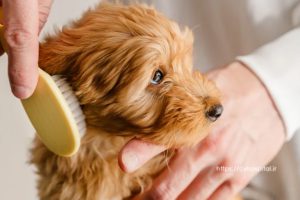

If your pet needs surgery, various tests will be conducted before the surgery. Depending on the age and physical condition of the pet, the type of tests will vary. The surgeon and anesthesiologist assess the safety of the surgery and the risks of anesthesia using the results of these tests to prepare the animal for a successful and low-risk procedure. In the following article, we will discuss the importance of various tests before surgery in more detail. If you are concerned about your pet’s surgery, stay with us until the end of this article.
Choosing an Anesthesia Method for Animal Surgery
Before performing surgery, the veterinarian examines various factors. Depending on the physical condition of the patient, their sex, and age, the method of anesthesia will also differ. In addition, specific tests are required before the surgery. For example, in neutering surgeries, which are usually performed at 7 or 8 months of age, only clinical tests and CBC are sufficient. Based on the results of these tests, the medical team selects an appropriate method for anesthetizing the animal.
The Importance of Biochemical Tests
Another very important test that significantly impacts the diagnosis of the health of animals is biochemical tests. Veterinarians recommend that biochemical tests be routinely conducted for pets. Conducting these tests allows you to compare the results of these tests with their other tests throughout the animal’s life. Since pets come in different breeds, their physical conditions cannot be compared and evaluated against each other. As a result, you can only monitor your pet’s physical condition through periodic biochemical tests. This aspect plays a crucial role in the physical health of animals, and it is essential to pay attention to it.
Disease Diagnosis in Clinical Examinations
During clinical examinations, if we notice a problem such as hearing extra heart sounds from the animal, we should conduct additional tests on the animal. More precise diagnostic tests or an electrocardiogram are recommended in such situations. If there are heart problems, the specialist veterinarian will treat the patient according to their physical condition. If a heart problem is diagnosed during cardiac evaluations, routine medications cannot be administered for the surgery. It is necessary to choose a medication that minimally impacts the heart’s function. An animal with an underlying issue will definitely have a different anesthesia method for surgery.
It should be noted that in pets over 8 years old, even if they do not have heart problems, the surgeon requests a chest X-ray before performing the surgery. If any issues related to bodily functions are seen in the chest X-ray, it is necessary to utilize more advanced diagnostic techniques for further investigation.
The Importance of Conducting Various Tests Before Surgery
Before starting the surgery, it is necessary to check the health of the body organs using biochemical tests. Additionally, in CBC or hematological tests, it is important to assess another key factor, such as the health of the animals’ bone marrow. After surgery, any blood loss must be compensated for. The platelet count must also be sufficient to prevent issues with blood coagulation and the healing of the surgical incision.
If your animal is anemic or lacks a normal amount of white blood cells to fight potential infections, the surgeon may decide against performing the surgery. It is necessary to address any physical and blood-related problems of the patient using appropriate treatment before proceeding with surgery.
How Do Anesthetic Drugs Work?
Before starting surgery, the patient undergoes pre-anesthesia or initial sedation. Subsequently, a higher dose of anesthetic drugs is injected to ensure a painless surgical experience. The anesthesia must be such that the animal regains consciousness at the specified time. For anesthesia to be effective, the drugs must reach different organs in the body. Consequently, the proper functioning of these organs is crucial for reducing the surgery’s risks.
In simple terms, for your pet to have a safe surgery, these organs must be fully healthy so that the anesthesia and awakening process occurs correctly. For instance, the kidneys and liver are among the vital organs whose health is essential for performing surgery. If these organs do not have the capacity to perform their duties adequately, anesthetic drugs will not be cleared from the body. As a result, your pet may experience prolonged anesthesia. Conducting pre-surgical tests allows us to anesthetize them according to the patient’s condition.
What Aspects of Surgery are Unpredictable?
In general, all around the world, there are humans and animals who cannot come out of the operating room alive. Although before surgery, the medical team conducts all necessary tests and all blood factors appear normal, the patient may exhibit allergic reactions to anesthetic substances. The likelihood of an allergic reaction to anesthetic drugs cannot be diagnosed and may not be revealed through various tests. Unfortunately, because of this, some animals may not successfully undergo the surgery.
This is considered one of the risks of any surgery. Acknowledging this fact, before the surgery, a consent form will be presented to you for signature. This form will inform you about the possibility of an allergic reaction to anesthetic drugs, ensuring that the surgery is carried out with your full consent.
Final Thoughts
Animals, like humans, need to undergo various tests to maintain their health and reduce the risks associated with surgery. Conducting these tests ensures that the dog or cat experiences a low-risk anesthesia. In this article, we learned about which tests should be performed before surgery.
Surgery is necessary. To prevent further complications, veterinarians will definitely thoroughly examine the patient’s condition to prepare them for a successful surgical operation.