


The colonoscopy procedure in dogs and cats is a non-invasive procedure that is used for the diagnosis and treatment of various gastrointestinal diseases. For the veterinarian to accurately diagnose the gastrointestinal issues of the pet, the pet must be prepared before the colonoscopy, and measures should be taken to reduce its various complications. These actions decrease the recovery time for pets and quickly return them to their normal lives. In the following, we will discuss the necessary care for dogs and cats before and after the colonoscopy.
Colonoscopy in Veterinary Medicine
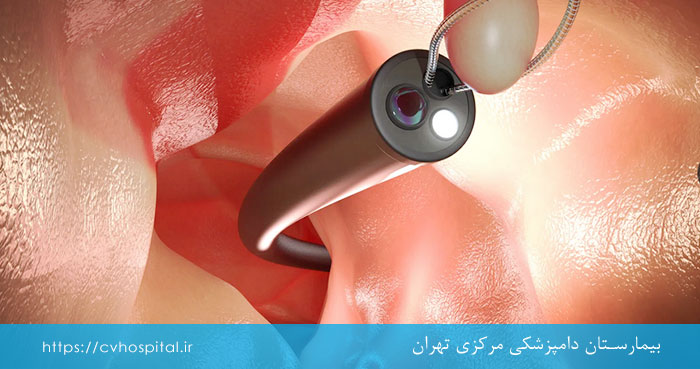
Colonoscopy is a procedure in which a camera is connected to a colonoscope and is inserted into the animal’s body through the anal region. This device has a blue light at its tip and is used to examine the large intestine of dogs and cats. This method is a very important and reliable approach for diagnosing gastrointestinal diseases and provides more accurate results compared to X-ray methods and various tests. It is usually used for various issues such as severe constipation, the presence of blood in the stool, and uncontrollable diarrhea, helping veterinarians quickly diagnose and treat pets’ diseases.
Pre-Colonoscopy Care for Dogs and Cats
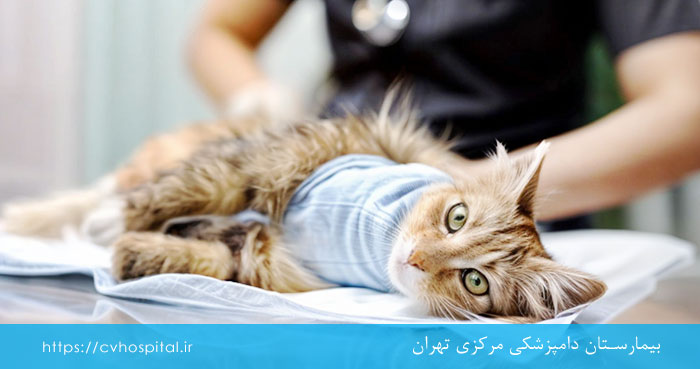
In this section, we will discuss the pre-colonoscopy care for pets. This procedure requires specific preparations that must be carried out carefully; otherwise, the veterinarian will not be able to see various sections of the colon, making it impossible to accurately diagnose the disease and start treatment. Therefore, there are a series of steps that must be carefully followed before starting the colonoscopy procedure.
The first note is that the animal must be examined for cardiac, vascular, pulmonary, and especially renal health and should be hospitalized about 72 hours before the colonoscopy. At this stage, various tests are conducted on the animal, such as CBC tests and enzymatic tests. The pet must undergo a 48-hour fasting period, meaning that food consumption should be halted for two days while receiving fluids, electrolytes, and nutrients intravenously. Additionally, the animal should undergo continuous enemas and receive various laxatives at regular intervals. By following these steps, the veterinarian can clear the gastrointestinal tract of food and easily perform the colonoscopy in dogs and cats.
Post-Colonoscopy Care for Pets
After the colonoscopy procedure is completed under full anesthesia, the animal is awakened from anesthesia. The pet should remain hospitalized for another 72 hours for monitoring liver and kidney health, the medications used prior to the colonoscopy, and checking the animal’s fluid and electrolyte levels. The pet should consume an appropriate amount of food that is low in fat and very light, gradually returning to its regular diet afterward. During the 72 hours, the animal is under direct supervision by veterinarians to monitor for any leakage of gastrointestinal contents and abdominal cavity issues. If no issues are observed during this period, the animal can be discharged from the hospital. Afterward, be sure to follow up on post-surgical care for pets to ensure your pet recovers quickly.
Reasons for Performing Colonoscopy in Animals
Indications for colonoscopy in dogs and cats include:
1. Inflammatory Bowel Disease (IBD)
IBD is a chronic condition that leads to inflammation of the intestinal wall and is common in dogs and cats. Symptoms include chronic diarrhea, vomiting, weight loss, decreased appetite, and blood in the stool. In dogs, IBD may be due to food sensitivities or bacterial infections, while similar factors or viral infections can play a role in cats. Colonoscopy enables the veterinarian to examine the intestinal tissue and take biopsies. This helps in accurately diagnosing the type of inflammation and in effective treatment.
2. Intestinal Tumors
Intestinal tumors can be benign or malignant and may cause blockage or bleeding in the gastrointestinal tract. Symptoms include rectal bleeding, changes in bowel habits, weight loss, and abdominal pain. Colonoscopy aids in identifying the precise location of the tumor and determining its type, enabling tumor removal when necessary.
3. Unknown Ulcers and Bleeding
Intestinal ulcers may result from the use of anti-inflammatory medications, bacterial or viral infections. Colonoscopy can help identify the source of bleeding and obtain biopsies to determine the type of ulcer.
4. Intestinal Obstructions
Intestinal blockage may occur due to a foreign object, tumor, or inflammation. This condition can cause abdominal pain, recurrent vomiting, lack of stool passage, and fever. Colonoscopy helps identify the blockage location and, in some cases, remove the foreign object.
5. Presence of Foreign Bodies in the Intestine
The presence of foreign bodies can lead to obstruction, bleeding, or inflammation. Colonoscopy allows for the identification and removal of the foreign body.
6. Bacterial and Viral Infections
Infections like salmonella, E. coli, or parvovirus can lead to intestinal inflammation. Colonoscopy aids in identifying ulcers and obtaining biopsies to determine the type of infection.
7. Polyps and Abnormal Growths
Polyps may be benign or malignant and can cause blockage or bleeding. Colonoscopy allows for the diagnosis and, if necessary, removal of these growths.
8. Diagnosis of Autoimmune Diseases
Some autoimmune diseases, such as lupus, can lead to intestinal inflammation. Colonoscopy helps in diagnosing these diseases.
Laxatives for Pre-Colonoscopy Use in Pets
Various laxatives are used for performing colonoscopy in dogs and cats, and here we will explain…
They have discussed common doses.
Polyethylene Glycol
- Mechanism of action: Polyethylene glycol is an osmotically active laxative that effectively brings water into the intestines, diluting and evacuating intestinal contents.
- Dose: For larger pets like dogs: 5–10 milliliters per kilogram of body weight for 24 hours before the procedure.
- For cats: Usually, a lower dose of polyethylene glycol is used (0.5–2 milliliters per kilogram) and should be adjusted based on the animal’s condition.
- Method of administration: This medication should be given orally in divided doses over 12–24 hours before the procedure. In some cases, to ensure accurate dosing, it may also be administered via a feeding tube (if the animal is unable to eat).
Lactulose
- Mechanism of action: Lactulose is an osmotic laxative that helps speed up bowel movements by drawing water into the intestines.
- Dose: 1–2 milliliters per kilogram of body weight, given orally twice a day, for 24 hours before the procedure.
- Method of administration: Lactulose is usually administered orally, but in specific cases, it can be used rectally or through a feeding tube.
Magnesium Sulfate
- Mechanism of action: Magnesium sulfate is a saline laxative that accelerates stool evacuation by increasing bowel movement and drawing water into the intestines.
- Dose: 1–2 milligrams per kilogram of body weight, given orally, for 12 hours before the procedure.
- Method of administration: Usually administered 12–24 hours before the procedure. In some cases, the dose may be adjusted based on the specific needs of the animal.
Bisacodyl
- Mechanism of action: Bisacodyl is a stimulant laxative that rapidly induces bowel movement.
- Dose: For dogs: 0.5–1 milligram per kilogram of body weight, given orally once a day.
- For cats: 0.5 milligram per kilogram of body weight, given orally once a day.
- Method of administration: This medication is given orally or via rectal enema to the animal.
- For sensitive dogs and cats: It is better to start with a lower dose to test for reactions.
Enema Before Colonoscopy for Cats and Dogs
- Mechanism of action: An enema works directly in the intestines and facilitates the quick evacuation of intestinal contents. This method is usually used for pets that particularly need rapid evacuation.
- Dose: 20–30 milliliters of warm fluids for small cats and dogs. 50–60 milliliters for larger dogs.
- Method of administration: This medication is administered as an enema via the rectum and is typically used one or two times one hour before the procedure.
- In some cases, it may need to be repeated after 4–6 hours, but it should be done carefully to prevent complications.
Number of Enemas Before Performing Colonoscopy in Animals
In most cases, at least two enemas are necessary before performing colonoscopy; however, depending on the animal’s condition and the level of bowel evacuation, the number of enemas may increase. Two enemas: If the intestinal contents have not been completely evacuated, a second enema can be given 4–6 hours after the first enema.
Important Notes When Using Laxatives for Dogs and Cats
Monitoring the animal’s condition: The animal should be closely monitored after taking laxative medications to prevent complications such as dehydration, weakness, or severe electrolyte imbalances. Fluid intake is especially important in small animals or those prone to dehydration.
- Limiting the use of laxatives in animals with kidney or heart issues: Some laxative medications, such as polyethylene glycol or magnesium sulfate, may pose risks for animals with kidney or heart conditions, thus they should be used with greater caution in this group of animals.
- Enema: The use of enemas should be performed cautiously and in appropriate doses to prevent damage to the intestinal wall.
In general, the use of laxative drugs and enemas before colonoscopy for pets is an important step in preparing the intestines and ensuring the success of the procedure. Various medications such as polyethylene glycol, lactulose, and magnesium sulfate can be utilized for bowel evacuation, and sodium phosphate enemas are also effectively used to speed up the evacuation process. The dose and frequency of these medications must be carefully adjusted based on the weight, age, and overall condition of the animal.
How Long Does a Colonoscopy Take for Dogs and Cats?
During a colonoscopy, a 120-centimeter long piece of intestine the thickness of a finger is examined using a colonoscope. The examination duration ranges from 30 to 60 minutes, depending on the state of the intestines and the speed of the veterinarian’s work. If any lesions or abnormal tissue are observed during the procedure, the veterinarian may require more time for removal; thus, a specific duration cannot be set for colonoscopy in general.  Post-colonoscopy care for dogs
Complications of Colonoscopy in Pets
Colonoscopy is a non-invasive procedure and does not carry many risks or complications; however, like all other procedures in pets, it may lead to problems afterward. Here are some of the complications that may arise after a colonoscopy in dogs and cats:
- One rare complication after colonoscopy in pets is bleeding from the colon. This usually occurs when abnormal tissues are removed from the intestines, but the overall risk of bleeding during colonoscopy is one percent in other cases.
- After the effects of the medications subside, there may be severe pain in the abdominal and intestinal areas which usually resolves within a few days after the procedure.
- If the veterinarian used non-sterile instruments, there is a risk of infection in the pet.
- One complication after colonoscopy is seizures in pets, which can occur under certain circumstances.
Pet animals.
- Some pets may experience bloating and gas after a colonoscopy.
- Rarely, the large intestine may tear or perforate, which in the worst case requires surgical intervention.
A Quick Review
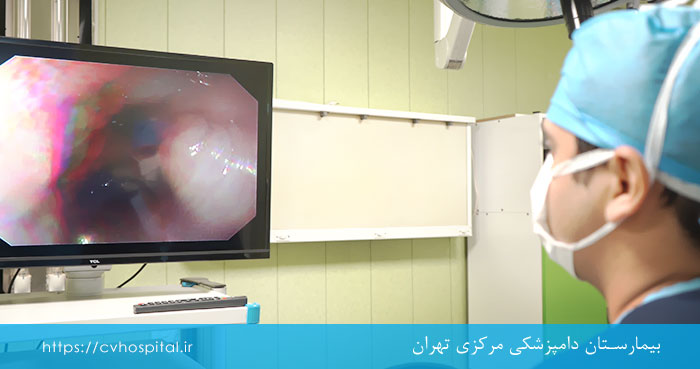
Colonoscopy is one of the essential tools in veterinary medicine used to diagnose and treat various intestinal diseases in pets, particularly dogs and cats. This method allows the veterinarian to directly observe the inside of the large intestine and rectum, take tissue samples, and even perform therapeutic actions such as removing foreign bodies or abnormal growths. Colonoscopy is usually employed to diagnose conditions such as inflammatory bowel disease (IBD), intestinal tumors, ulcers and unexplained bleeding, intestinal obstructions, problems caused by foreign bodies, bacterial and viral infections, polyps, and autoimmune diseases. Proper preparation of the animal is essential for performing a colonoscopy. This phase includes preliminary tests such as blood tests, assessment of the animal’s overall health, and complete cleansing of the intestines through laxatives and enemas. During the procedure, the animal is placed under anesthesia, and the veterinarian examines the intestines using a colonoscope. After the colonoscopy, care such as monitoring vital signs, feeding with liquid and low-fat foods, and preventing dehydration is provided. In addition to diagnosing diseases, colonoscopy also plays a key role in treating some of them. This method can help improve the quality of life for animals and reduce potential complications by early identification of intestinal issues and providing precise information.
For the colonoscopy of your dog or cat, you can visit the veterinarians at the Central Veterinary Hospital to assess and treat your pet’s digestive issues with the latest methods.