



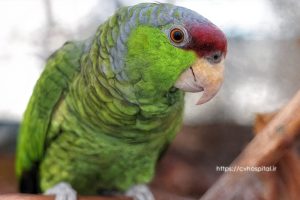


Disease pdd in Birds referred to as proventricular dilation, is one of the serious and often fatal diseases in birds, especially species of parrots, attacking the digestive and nervous systems. PDD is usually associated with symptoms such as weight loss, vomiting, digestive problems, and neurological disturbances, and the main cause is recognized as the Borna virus (Avian Bornavirus). This disease poses challenges for veterinarians and bird owners due to the complexity of the symptoms and the difficulty in diagnosis. In this article from Central Veterinary Hospital, we take an in-depth look at PDD disease in birds and explore its causes, symptoms, and methods of prevention, diagnosis, and treatment.
Where is the proventriculus located in birds?
Before discussing the PDD disease in birds involving the proventriculus, it is better to first understand where this organ is located in the body of birds. The proventriculus in birds is a chamber in the digestive system located between the crop and the gizzard. This part is the glandular stomach of birds, which helps in secreting enzymes and digestive acids for the initial breakdown of food. The proventriculus plays a crucial role in the digestion process in birds. In PDD, dilation or dysfunction of the proventriculus can lead to serious digestive problems. If the proventriculus is dilated, the stomach will not be able to digest food. 
What is PDD disease in birds?
The proventricular dilation disease in birds (Proventricular Dilatation Disease), abbreviated as pdd, is a very dangerous and fatal neurodegenerative disease that damages the nerves of the birds’ digestive system, especially the proventriculus. However, nerves connected to other organs may also be affected, and in some cases, encephalitis (inflammation of the brain) may occur. This disease was first identified in the early 1970s and primarily affects young psittacine birds.
Causes of PDD in birds
The main cause of PDD disease in birds is a virus called Avian Bornavirus (ABV), which is considered a suspect agent for this disease. This virus damages the nerves and causes their inflammation and can be intermittently shed through feces, saliva, and respiratory secretions.
Symptoms of PDD
Symptoms of PDD disease in birds can be divided into two main categories: digestive and neurological, as follows.
Digestive Symptoms
- Severe weight loss and muscle wasting
- Vomiting or regurgitation of food
- Abnormal feces (containing undigested seeds, diarrhea, or changes in fecal color)
- Abnormal enlargement of the proventriculus
- Crop blockage

Neurological Symptoms
- Trembling of the head, wings, or body
- Imbalance or lack of coordination
- Seizures in severe cases
- Weakness and fatigue
- Inability to perch
- Paralysis in severe cases
- Behavioral changes such as aggression or depression
- Apparent disorientation
- Inability to fly or even move
- Blindness
Although symptoms such as weight loss and dizziness in birds with pdd are very common, some birds may carry the virus for years without showing symptoms.
Diagnosis of PDD disease
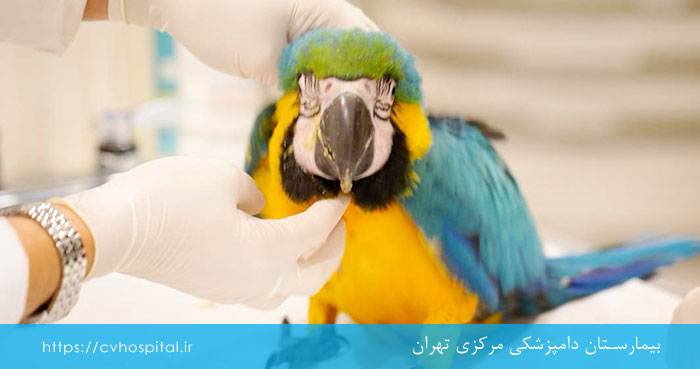
Diagnosing the proventricular dilation disease in birds can be challenging due to the complexity of symptoms and their similarity to other diseases. The veterinarian typically begins by assessing the bird’s clinical symptoms and examining all signs of this disease within it. Diagnostic tests such as PCR for detecting viral RNA in feces or tissues and ELISA for detecting antibodies also help confirm the disease. Radiography and biopsy may also be used to observe the enlargement of the proventriculus or tissue changes, but due to the similarity of symptoms with other diseases, a definitive diagnosis is made through necropsy and tissue analysis of the brain.
Complications of PDD
PDD disease in birds poses a serious threat to birds’ health due to its impact on the gastrointestinal and nervous systems and comes with multiple complications. These complications include:
- Malnutrition and severe weight loss
- Neurological disorders (tremors, seizures, dizziness, and paralysis)
- Vomiting
- Gastrointestinal problems
- Inflammation of the proventriculus, stomach, and intestines
- Weakened immune system and bacterial and fungal infections
- Death
Prevention of PDD disease in birds
Due to the lack of vaccines or definitive treatment, the most important way to prevent the proventricular dilation disease PDD in birds, is to separate infected birds from others. For prevention, newly introduced birds should be quarantined for at least 30 to 60 days, and PCR or ELISA tests should be conducted to identify ABV. Adhering to hygiene practices significantly helps prevent the spread of the disease. Therefore, cages, food and water containers, and the living environment of the birds should be regularly cleaned and disinfected to prevent the accumulation of pathogens. Maintaining a nutritious diet and reducing stress and overcrowding can also help bolster the bird’s immune system.
Strengthen. Most importantly, regular examinations of birds by a veterinarian help identify early signs of disease sooner.
Treatment of birds affected by PDD
Currently, there is no definitive treatment for proventricular dilatation disease in birds. However, some treatment methods can help manage symptoms, improve quality of life, and slow disease progression.
Medication treatment
For the treatment of PDD in birds, anti-inflammatory medications such as cortisone and meloxicam or other non-steroidal anti-inflammatory drugs (NSAIDs) are prescribed to reduce inflammation in the proventriculus and intestines. Additionally, dietary supplements like vitamin B and probiotics can also be beneficial in supporting the immune system and gastrointestinal health. To control seizures or tremors in birds showing neurological symptoms, anticonvulsants (such as phenobarbital or levetiracetam) are prescribed. Of course, these medications do not cure the disease and their effects are usually temporary if they are effective. 
Supplementary feeding
Since birds with this disease are unable to digest food, soft or liquid foods (like bird formula) are usually administered to the bird via syringe or tube. Fluids can be helpful to compensate for body dehydration caused by vomiting.
PDD disease in cockatiels
Proventricular dilatation disease is more common in parrots. This disease is seen more frequently in cockatiels, which are a small bird species from the parrot family. PDD affects the gastrointestinal and neurological systems of cockatiels, leading to weight loss, decreased appetite, vomiting, abnormal droppings, tremors, loss of balance, and seizures in these birds.
Summary
Proventricular dilatation disease (PDD) is a common infectious neurological disease in birds characterized by the dilation of the proventriculus due to the accumulation of ingested food resulting from a defect in intestinal motility. In this article from the Central Veterinary Hospital, we introduced PDD in birds and discussed its symptoms, causes, prevention, and treatment methods. If your pet bird is showing signs of PDD, the specialized veterinarians at the Central Veterinary Hospital are ready to provide professional treatment services. In this hospital, we can quickly identify the disease and provide necessary supportive care using advanced diagnostic equipment such as PCR tests and imaging.
Frequently Asked Questions
Is there a vaccine for PDD? No. Currently, there is no specific vaccine or medication available to prevent or treat PDD.
Is PDD transmissible to humans? No. There is currently no definitive evidence of the Borna virus transmission from birds to humans or other pets.
Is there a definitive treatment for PDD in birds? No. Currently, there is no definitive treatment for PDD in birds. Treatments are often supportive and aim to improve the bird’s quality of life.
Sources: Ibah.com Vcahospitals.com