


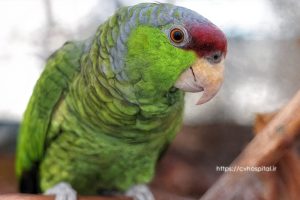


Pacheco’s Disease in Birds is one of the most viral and deadly diseases threatening parrots and many ornamental birds. The causative agent of this viral disease belongs to the herpes family, which can severely ill a bird in a short period and can lead to sudden death even without showing clear symptoms. In this article, you will learn about the nature of Pacheco’s disease, transmission methods, symptoms, diagnostic methods, treatment, and prevention strategies.
What is Pacheco’s Disease in Birds?
Pacheco’s Disease is a highly contagious and often deadly viral disease that affects birds, particularly various species of parrots. As mentioned, the causative agent of this viral disease is from the herpes family and can spread rapidly among birds.
An infected bird may show no clear signs or only mild symptoms, but in many cases, the disease can lead to sudden death within a few days. This initial lack of symptoms makes early diagnosis difficult and increases the risk of outbreaks.
Which Birds Are at Risk of Infection?
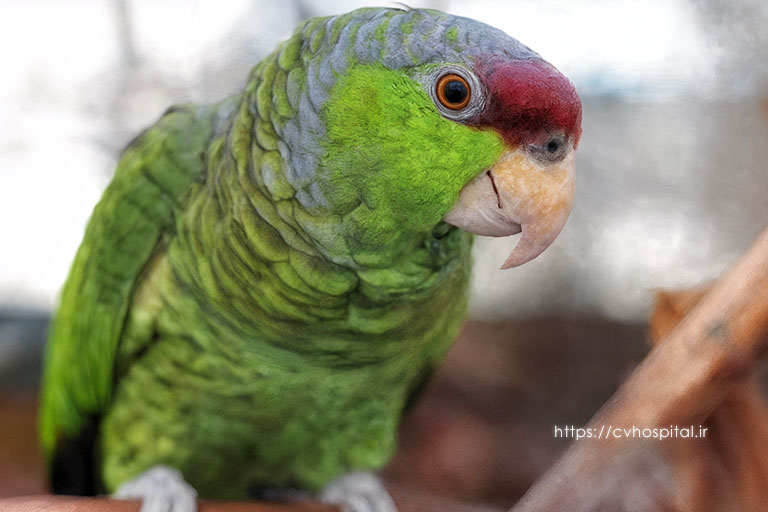
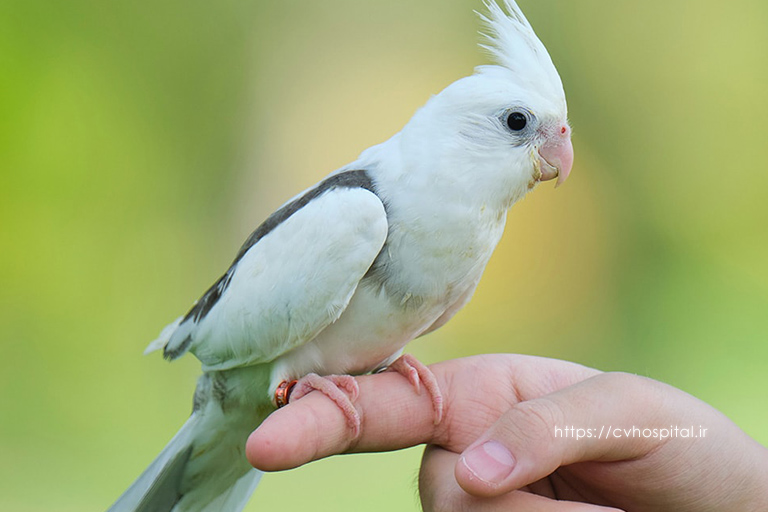
Pacheco’s disease is a dangerous and contagious viral disease that specifically affects birds in the parrot family. This virus is only specific to birds, and humans or other pets are not at risk of contracting it. The following pet parrots are particularly vulnerable:
- Parakeets
- Cockatiels
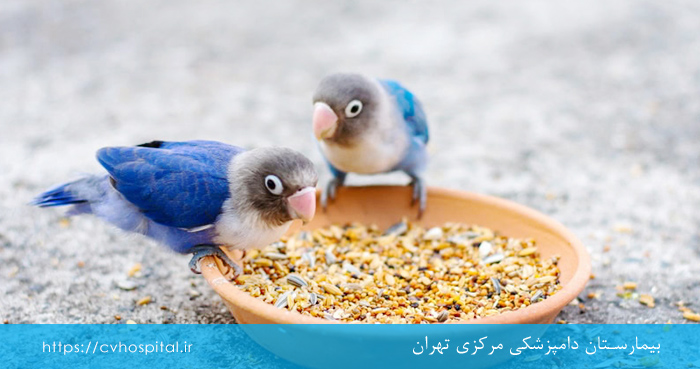
- Lovebirds
- Lories and Lorikeets
- Green Cheeks
- Small Hookbills (like Caique and Meyer’s parrot)
- Large Hookbills (such as Macaws and Cockatoos)

Symptoms of Pacheco’s Disease in Birds
One of the major challenges in diagnosing Pacheco’s disease is that this virus does not have specific symptoms. Therefore, knowing your bird’s natural behavior and condition is key to quickly identifying the disease. Since Pacheco’s disease in birds can rapidly lead to death, recognizing any of these symptoms early should be a red flag.
- Yellow, watery urates (the urinary portion of the bird’s feces, which should normally be white and formed)
- Lethargy or decreased energy
- Depression and withdrawal from the environment
- Refusal to eat
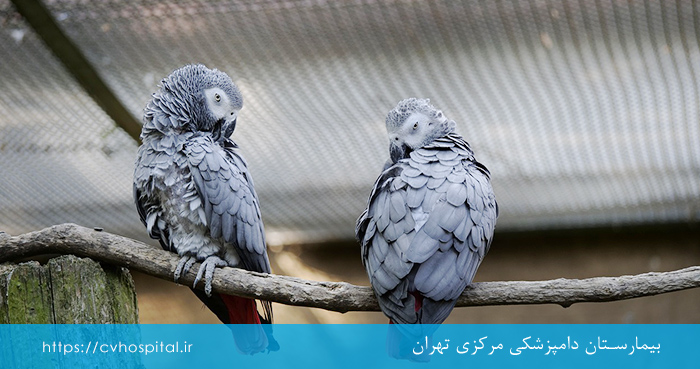
- Fluffed up and ruffled feathers
- Discharge from the eyes or watering eyes
- Nasal discharge
- Green colored feces
- Regurgitating food (vomiting or reflux)
- Abnormal growths (papillomas) in the mouth or anal tissue
- Sudden death, even within hours of infection
Read more: For additional information, you can read the article on Diseases Transmissible from Birds to Humans.
How to Diagnose Pacheco’s Disease
A veterinarian may take samples from the mouth (choana) or cloaca (bird’s vent). If viral particles are found in these areas, the test result is considered positive. Additionally, a blood test might be conducted to check for the presence of antibodies to determine whether the bird has been exposed to the disease in the past or is a virus carrier. Final diagnosis may also involve research based on the following factors:
- Bird’s health history
- Current clinical symptoms
- History of disease in other birds in the flock
Treatment of Pacheco’s Disease in Birds
Timely treatment and specialized veterinary care can save a bird’s life in many cases, especially if Pacheco’s disease is diagnosed early. Since there is no definitive treatment for this virus, doctors focus more on controlling symptoms and supporting the bird’s body. The most important treatment methods include:
- Fluid therapy to compensate for dehydration
- Antenoviral medications like acyclovir to reduce the severity of the disease
- Antibiotics in case of secondary bacterial infections (including: tetracycline, bacitracin, neomycin, gentamicin, ofloxacin, and moxifloxacin)
- Anti-inflammatories and analgesics to relieve pain and inflammation
- Surgery if there are warts or internal lesions due to papillomas
Recovery Period and Management of Pacheco’s Disease in Birds
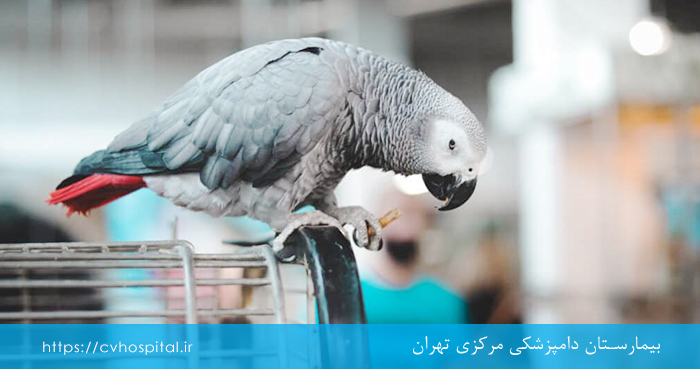
Unfortunately, Pacheco’s disease in birds is often fatal. However, in cases of early diagnosis and where the bird receives specialized care in a veterinary hospital, recovery chances increase; therefore, home care alone is not sufficient. Birds that survive this disease usually face long-term complications. One common consequence is the development of papillomas (internal warts) in the cloacal area as well as abnormal liver growth known as hepatomegaly. These changes are often due to viral damage to the body’s internal tissues.
A significant point is that birds that survive Pacheco’s disease may remain virus carriers. The virus can remain dormant in their bodies and may reactivate during stressful periods, causing the bird itself to become ill and infect other birds as well. Thus, proper care of these birds is vital:
- Complete isolation of the infected bird from other birds in the home or aviary
- Preventing stressful situations (such as environmental changes, noise, or the introduction of new animals)
- Strict adherence to hygiene and disinfecting the area where the bird is kept, as the virus can survive outside the body for some time.
Final Thoughts
Pacheco’s disease in birds is one of those diseases that, despite being rare, acts very quickly and lethally. The lack of specific symptoms in the early stages, the high transmission speed, and the possibility of birds being carriers without showing signs make it one of the most challenging viral diseases in parrots. By recognizing this disease, many cases of infection and death can be prevented. For consultation and examination of your pet’s condition, you can call the numbers available on the Central Tehran Veterinary Hospital’s website and seek specialized guidance from our colleagues. Timely action is the most critical step in maintaining bird health.
Frequently Asked Questions
Does Pacheco’s disease transmit to humans or other pets? No. This virus only infects birds and poses no danger to humans or other pets like dogs and cats. Can a bird be a carrier but show no symptoms? Yes. Many infected birds show no external symptoms, but they can still transmit the virus.”
The virus can be transmitted—especially under stressful conditions. Is there a treatment for Pacheco’s disease? There is no definitive treatment to eliminate the virus, but with supportive care, some birds may survive. Early diagnosis and specialized care play a key role. How can bird infections be prevented? Quarantining new birds, maintaining a clean environment, preventing stress, and avoiding keeping birds of unknown origin are considered the main preventive measures. Source: https://www.petmd.com/bird/conditions/urinary/pachecos-disease-birds https://vcahospitals.com/know-your-pet/pachecos-virus-infection-in-birds