




Wounds, cuts, tears, burns, fractures, or other injuries to living tissue are categorized as wounds. In pets, wounds are generally classified into three categories: clean, contaminated, and infected. Clean wounds are created under sterile conditions, such as surgical incisions. The distinction between contaminated and infected wounds depends on the number of bacteria present in the wound. Next, we will examine the management and treatment of wounds in pets.
Initial Wound Management in Pets
General wound care begins after stabilizing the animal’s condition, especially in cases of trauma or shock. First aid measures, such as applying pressure to stop bleeding and basic bandaging, are usually performed quickly.
Wound lavage is performed with the aim of cleansing visible and microscopic debris, reducing the risk of infection. This is done using a syringe to spray a cleaning solution. Cleaning or debridement is also done to remove necrotic tissue and foreign materials from the wound, reducing bacterial contamination and preventing infection. If the wound is already infected, sampling for culture will be performed. Antibiotics are used to treat bacterial infections. Pain relief medications are usually prescribed as well. 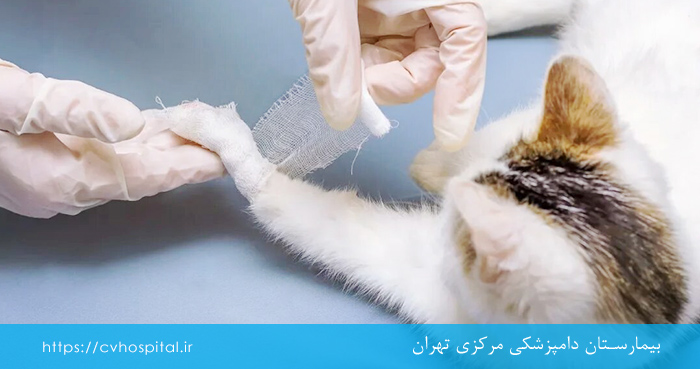 After the initial assessment, washing, and cleaning, the veterinarian will decide whether to close the wound or leave it open. This decision is made on an individual basis for each wound. If there is insufficient skin to close the wound or if the risk of infection is high, the wound may be left open. Wounds that are left open are usually managed with frequent bandage changes and debridement. Wet-to-dry bandages are often used. These bandages help cleanse the wound during each change. In the early stages of healing, it may be necessary to change the bandage twice daily. As healing progresses, dry and non-adhesive bandages are utilized. Sometimes, wounds are closed after several days of treatment, especially if they were previously infected but have been treated with antibiotics (usually after 24 to 72 hours or longer).
For closing a wound, sutures, staples, or surgical adhesive can be used. In some cases, there is a need for sutures in multiple layers; for example, deep sutures to hold torn muscles and an outer layer to close the skin.
Wound Disinfectants for Cats and Dogs
Suitable disinfectants include:
- Normal saline (cleansing serum) – harmless and effective
- Diluted Betadine (1:10 with cooled boiled water)
- Chlorhexidine 0.05% (in veterinary medicine) do not use alcohol as it causes severe pain and tissue damage.
Drains
Drains are used to remove fluid from a wound or body cavities to prevent fluid accumulation that can lead to infection. Drains may be passive (by gravity) or active (by suction). The fluid that drains from the wound may be sent to the laboratory for testing.
Wound Bandaging in Animals
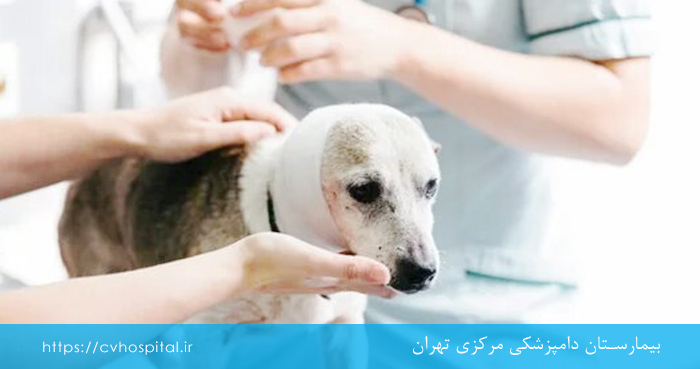
Bandages help stop bleeding, keep the wound clean, protect against further injury, and prevent excessive drying of the wound. Bandages consist of three layers:
The first layer (dressing): is placed directly over the wound and may be made of gauze or mesh materials. This layer allows fluids to pass through and prevents tissue from drying out. Changing it may be painful but helps cleanse the wound. In wet-to-dry bandages, moist gauze is used, which causes less pain than dry bandages. The second layer: absorbs fluid, protects the wound, and stabilizes the member. It is usually made of compressed cotton or cotton rolls. The third layer: applies slight pressure, holds the inner layers in place, and protects them from the environment. It is usually made of adhesive or elastic bandaging. Before taking the animal home, ensure you have learned how to change the bandage and clean the wound.
Surgical Treatment of Dog and Cat Wounds
In some cases, a wound requires surgical treatment. The type of wound determines the type of surgery. Sometimes, the skin is drawn toward the wound (skin flap) or grafts from other body tissues are placed over the wound. 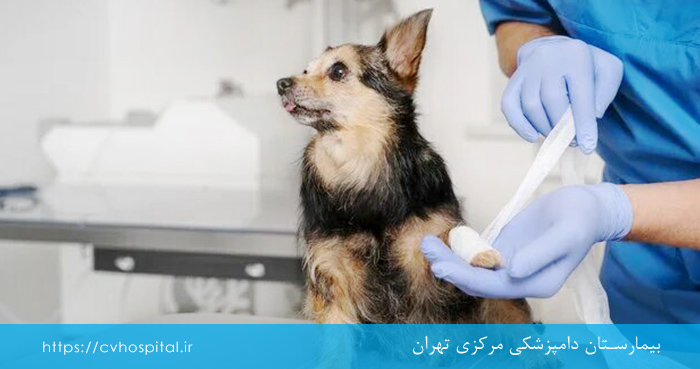
Stages of Wound Healing in Pets
Wounds heal in four stages. Various factors such as the environment, the animal’s overall health, and medications being administered play a role in the healing process.
The ambient temperature should be around 30 degrees Celsius; cold air can weaken the wound and prolong healing time. Wounds need oxygen, so bandaging should not be excessively tight. Inflammation is the first stage that begins with the constriction of blood vessels to control bleeding and then dilation to create swelling. White blood cells enter the wound to clean it. Proliferation involves fibroblasts and capillaries entering the wound and creating a framework for new tissue growth. In closed wounds, the skin is reconstructed within 48 hours; but in open wounds, granulation tissue must first form.
Reconstruction
Newly formed collagen is arranged in the direction of tension lines, the wound gradually becomes stronger but usually remains 15 to 20% weaker than the initial tissue. This process may take up to 2 years. 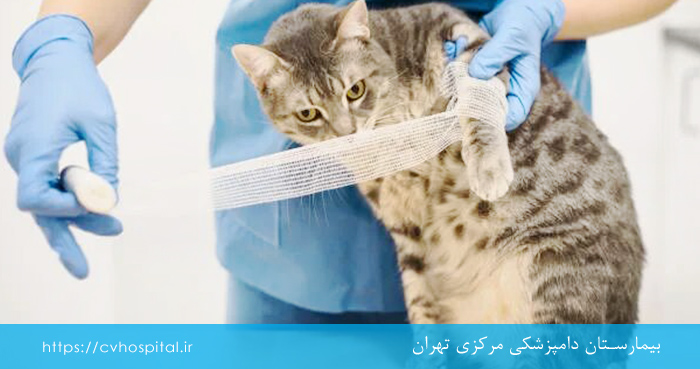 Diseases such as anemia or malnutrition may hinder the healing process. Some topical medications are used to treat wounds in dogs and cats and to reduce pain, but some may also slow down healing.
Management of Specific Types of Wounds in Pets
Next, we will examine the management of specific types of wounds in animals:
Management of Cuts and Tears (Lacerations) in Animals
If they are superficial and do not damage deep tissues, they are usually closed with sutures; however, in case of contamination or infection, they are left open.
Treatment of Bite Wounds
Common in outdoor animals. Cat bites usually create small puncture wounds that are prone to infection, while dog bites may be deep. Treatment includes cleaning, antibiotics, and pain relief. Even if the injury appears superficial, the internal organs may be damaged.
Degloving Wounds
In this type, the skin is separated from the muscles or underlying tissue. It is usually caused by a car accident. The skin may not survive and must be removed. The main goal of treatment is to prevent infection.
Gunshot Wounds
Most injuries are internal. The bullet path introduces skin, hair, and contaminants into the body. Sometimes the exit wound is larger than the entry. Surgery is often required to assess the extent of the damage.
Pressure Sores in Animals
These occur in paralyzed or immobile animals. Tissue dies due to lack of oxygen and blood supply. Prevention is possible by frequently changing the body position, providing proper nutrition, and ensuring a soft bedding. Severe wounds may require surgery or grafting. 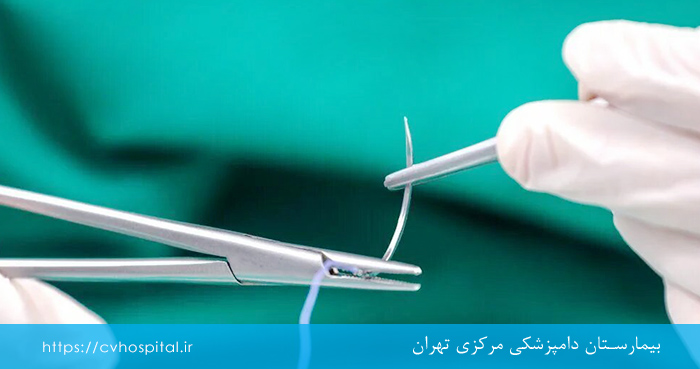
Animal Wound Healing Ointment
Healing ointments for animals usually include antibacterial, anti-inflammatory, and skin-repairing compounds. Tetracycline ointment, which contains antibiotics, is used in some cases for superficial or infected wounds in cats, but only under veterinary supervision. This is because licking it can cause gastrointestinal side effects or antibiotic resistance. This ointment is generally used for pus-filled wounds, scratches, or mild burns. In dogs, just like in cats, 3% tetracycline may be used for superficial wounds, but it should not be used alone on deep or large open wounds. Care should be taken to prevent licking as well. If the wound shows signs of serious infection (significant redness, foul odor, purulent discharge), systemic treatment (oral or injectable) is necessary.
Preventing Licking of Wounds in Cats and Dogs
To prevent licking of wounds by animals, the following measures are recommended:
- Use an Elizabethan collar (E-collar)
- Cover the wound with appropriate bandaging
- Use specially designed clothing for animals
- Sometimes bitter-tasting sprays (if approved by the veterinarian) can also be effective. Licking the wound can lead to re-infection, delayed healing, and even the need for re-surgery.
Treating Wounds in Stray Cats
Treating wounds in stray cats requires safety precautions:
- Use gloves and a blanket to control the cat
- Clean the wound with a saline solution (normal saline) or diluted betadine
- Use a mild antibiotic ointment (like tetracycline or veterinary-specific ointments)
- Dress the wound with sterile gauze if possible
- Prevent licking of the wound
- Get them to a veterinarian as soon as possible, as there is a high risk of infectious diseases.
Home Treatment for Cats and Dogs Wounds
At home, initial measures can be taken:
- Wash with saline or cooled boiled water + a little diluted betadine
- Dry the wound with clean sterile gauze
- Use a mild antibiotic ointment (like tetracycline)
- Prevent licking with an Elizabethan collar
Summary of Wound Management and Treatment in Pets
Deep wounds, foul odors, severe bleeding, or wounds that have been inflamed for more than 3 days must be examined by a veterinarian. To book an appointment and get consulting about wound treatment in animals, contact the central hospital so our colleagues can assist you.
Frequently Asked Questions
1. Can I treat my pet’s wound at home?
For superficial wounds, appropriate cleaning, using an antibiotic ointment, and preventing licking of the wound can be managed at home; however, deep or infected wounds require veterinary examination.
2. Can betadine be used to disinfect a dog or cat wound?
Yes, but only in a diluted form (1 to 10 with cooled boiled water). Concentrated betadine or alcohol should not be applied directly to the wound as it can cause irritation and tissue damage.
3. Why should an Elizabethan collar be used for an injured cat or dog?
To prevent licking the wound, which can lead to infection, delayed healing, or even the opening of sutures.




یک دیدگاه
Great info.