





Intestinal obstruction in cats is a serious health problem that must be identified as quickly as possible and treated accordingly. Swallowing a foreign object that gets stuck in the intestinal tract is one of the most important causes of this condition, preventing the contents of the stomach from passing into the intestines. Cats experiencing this condition show various symptoms that can be effective in early diagnosis. Below, we will discuss the causes of intestinal blockage, symptoms, and treatment for intestinal obstruction in cats.
Causes of Intestinal Obstruction in Cats
The cause of intestinal blockage in cats is the presence of a large object in the intestines, which is usually due to swallowing foreign objects or the formation of large tumors along the intestines. Both of these factors can completely or partially obstruct the cat’s intestines and naturally disrupt the passage of stomach contents to the intestines.
Foreign Objects
Ninety-nine percent of the factors that cause obstruction in cats’ intestines are due to swallowed foreign objects. Cats have a strong inclination to play with large foreign objects and may touch or swallow them while playing. Items such as small toys, rubber bands, threads, etc., can get stuck in the cat’s intestines if swallowed, causing the desired obstruction. Whether this foreign object is a large piece or several small pieces, it gets stuck in the intestinal path, causing subsequent problems. 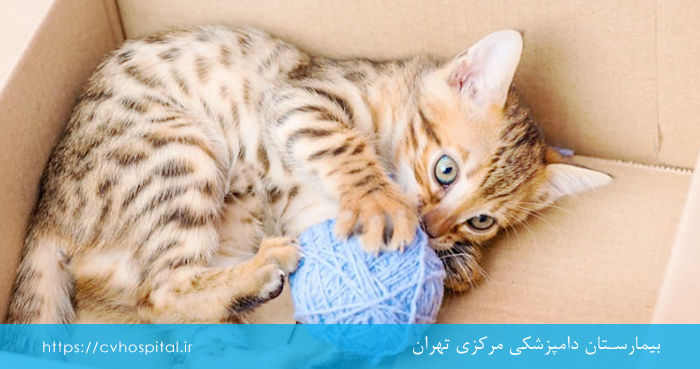
Swallowing threads and hair increases the risk of intestinal infection and inflammation. The presence of thread or long hair inside the intestines and its subsequent contractions can lead to intestinal twisting and rupture, resulting in infection and inflammatory bowel disease as secondary complications.
Gastrointestinal Tumors
Cancer or gastrointestinal tumors that lead to the formation of large tumors in the intestinal tract is another recognized cause of intestinal blockage in cats, which can cause irreparable harm to the cat’s digestive health.
Symptoms of Intestinal Obstruction in Cats
When intestinal obstruction occurs in cats, specific symptoms appear in their behavior and movements, which can help cat owners and veterinarians identify the nature of the issue. If the internal pathway of the cat’s intestines is blocked by foreign objects, the cat faces significant difficulties during defecation and experiences continuous abdominal pain. In this case, the following symptoms occur in cats:
- Constant straining during defecation
- Constipation
- Diarrhea
- Vomiting
- Abdominal swelling
- Abdominal pain
- Lethargy
- Loss of appetite
How to Diagnose Intestinal Obstruction
If the guardians of this animal suspect the cause of intestinal blockage in their cat or still have doubts about their cat being affected by this condition, they should first visit a veterinarian. Diagnosing intestinal blockage in cats is challenging for veterinarians if there is no certainty about swallowing a foreign object, and they can only confirm the presence of a foreign object in the intestines through X-rays or ultrasound. The steps taken to diagnose this condition in veterinary clinics are as follows:
Physical Examination
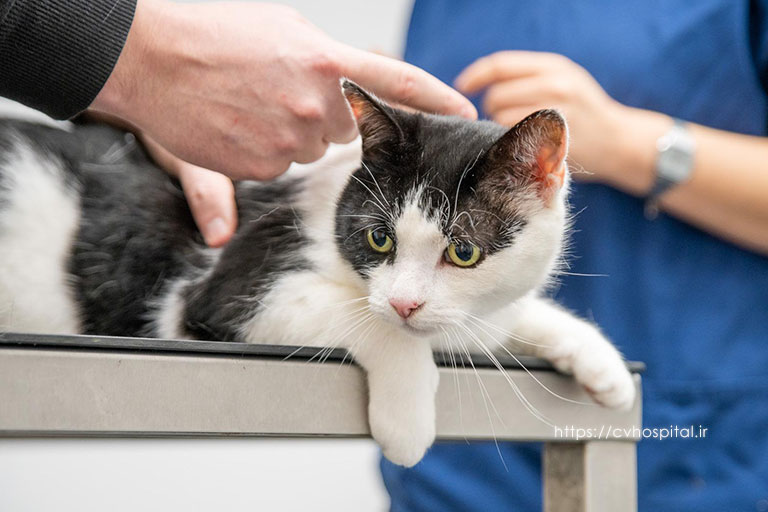
Veterinarians try to identify the site of intestinal obstruction by physically examining and palpating the cat’s abdomen. This method is considered a preliminary diagnostic approach that often results in failure because cats, due to abdominal pain, do not allow physical examination.
X-ray Imaging
X-ray imaging is the second method of diagnosing intestinal obstruction in cats, which is about fifty percent reliable. Since only metallic objects can be identified in X-ray imaging, other foreign objects such as pieces of fabric, threads, etc., are not captured in the image, which may lead to misdiagnosis by veterinarians.
Ultrasound
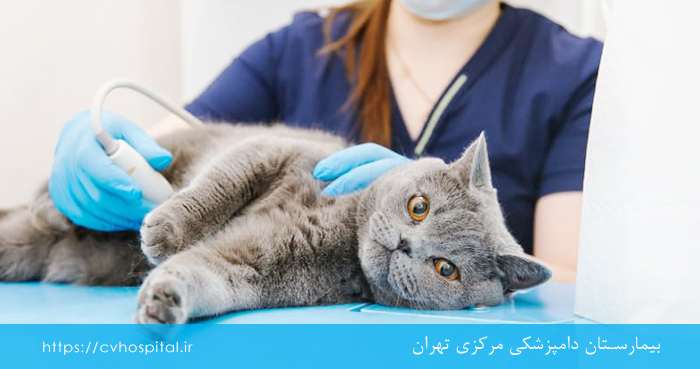
An effective method for confirming intestinal obstruction and inflammation in cats is ultrasound. This method allows all foreign objects to be identified in the cat’s intestines without limitation. Additionally, the presence of a tumor in the cat’s intestines can also be validated by this method.
Treatment Methods for Intestinal Obstruction
If one or more signs of intestinal obstruction in a cat are observed, it is necessary to consult a veterinarian for quicker treatment. The blockage of the intestinal pathway is one of the most serious health issues for cats that, if delayed in treatment, can lead to their death. The removal of intestinal obstruction in cats can be achieved through the following treatment methods:
Induced Vomiting
If a short amount of time has passed since a foreign object was swallowed by the cat, and guardians confidently approach the veterinarian, the first stage of treatment involves induced vomiting. In this approach, the cat is stimulated to vomit by administering emetic medications so that foreign objects located in the throat and the beginning of the stomach can be expelled through the mouth. Of course, some foreign objects like threads, which twist around the cat’s tongue, can also be removed using this method. It is essential to note that emetic medications can have very dangerous side effects, such as pneumonia, for many cats. 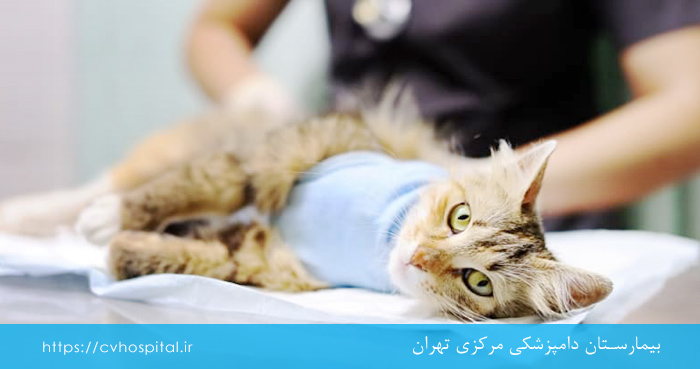
Endoscopy
One of the common methods for treating intestinal obstruction in cats is endoscopy. This method involves passing a medical camera through the cat’s mouth to its stomach, allowing visualization and removal of the foreign object. It is important to note that this method is applicable when the swallowed object is still located within the cat’s stomach or part of it is stuck in the stomach. Linear objects like threads can be easily removed from the cat’s stomach using this method.
Surgery
The final method employed by veterinarians for this condition is surgery for intestinal obstruction in cats. In this surgery, known as laparotomy, the cat is completely anesthetized and a part of its intestine… “`
If there is a foreign body or tumor involved, it is cut out and drained. Of course, in some acute cases where a bowel rupture occurs due to this condition, removing a portion of the bowel’s length is performed out of necessity. The cost of surgery for bowel obstruction in cats is naturally higher than endoscopy and this surgery is only performed based on the discretion and diagnosis of the veterinarian.
Post-operative Care After Cat Bowel Obstruction Surgery
Cats undergoing bowel surgery typically experience more severe symptoms after the surgery, and specific care measures should be taken to reduce recovery time and shorten treatment. The affected cats have significantly less appetite after surgery, so attention should be paid to their diet and meeting their nutritional needs at this time. Appetite stimulants, pain relief medications, intravenous fluids for hydration, etc., will be prescribed for the cats by the veterinarian. Cats may be discharged after one to two days of hospitalization, but must be carefully monitored at home for 10 to 14 days, with their wound area constantly checked for redness, infection, and inflammation.
Prevention of Bowel Obstruction in Cats
To prevent the occurrence of this issue, caregivers must pay special attention to their behavior and movements.
- Prevent cats from playing with small, swallowable toys.
- Ensure they do not have access to strings in the home and outside.
- Avoid leaving rubber bands or threads accessible to cats.
- Keep small pieces of fabric and tiny fragments out of their reach.
Summary and Final Notes
If bowel obstruction occurs in cats due to swallowing a foreign body or intestinal tumors, a visit to the veterinarian should be the first action taken. The sooner the foreign body is swallowed by the cat, the more likely it is that the cat can be treated quickly and easily, such as through inducing vomiting. If caregivers are unaware of the foreign body ingestion, symptoms like abdominal pain, vomiting, and constipation may occur, which should be taken seriously. For more information, contact the central hospital admission desk.
Frequently Asked Questions
What is the home treatment for cat bowel obstruction? There is no home remedy to solve bowel obstruction in cats, and visiting a veterinarian is the first step in treatment that should be taken.
What medication is available for cat bowel obstruction? There is no medication to solve bowel obstruction in cats; only treatment methods can be undertaken at the veterinary clinic.
What is the immediate treatment for constipation in cats? Increasing water intake, fiber-rich foods, and olive oil are suitable for quickly relieving constipation in cats.
Do laxatives work for cats in treating bowel obstruction? No, in the case of bowel obstruction, laxatives can worsen the cat’s condition and cause many complications.
What are the home remedies for cat abdominal swelling? In the early hours, probiotic foods and liquids can be provided to them, and the abdomen can be gently massaged. If this does not yield results, a visit to the veterinarian is essential.
What is the cause of a kitten’s abdominal swelling? Bloating, indigestion, and gastrointestinal issues such as foreign body obstruction in the intestine can lead to swelling in a kitten’s abdomen.
What should we do to make a cat vomit? Cats that have swallowed foreign bodies can be induced to vomit with medications prescribed by a veterinarian.
If a cat eats plastic, what should we do? The first step when facing this situation is to visit the veterinarian.
Source: petmd