




in=”translate” lang=”en”>about intervertebral disc disease (IVDD) in dogs, it’s important to consult a veterinarian. The diagnosis typically involves a physical examination, neurological assessments, and imaging tests such as X-rays, MRI, or CT scans to evaluate the severity and location of the disc issues. Early detection is crucial for effective treatment, so if you notice any symptoms in your dog, do not hesitate to seek professional help.
In this article, we will answer all your questions about this common disease in dogs.
What is intervertebral disc disease (IVDD) in dogs?
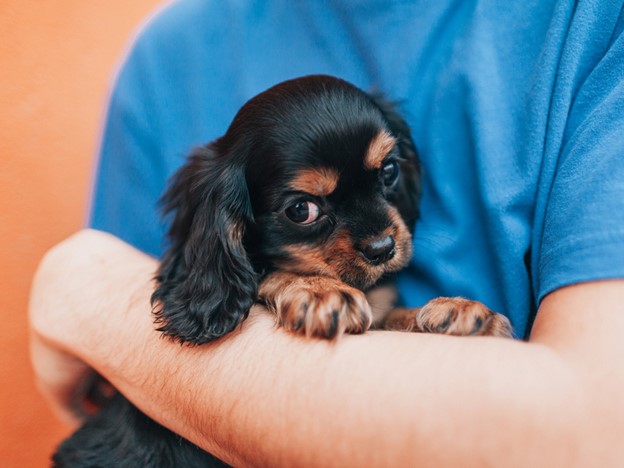
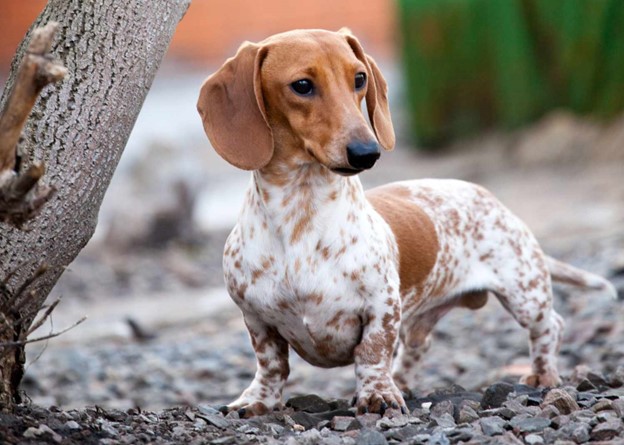
Intervertebral disc disease in dogs is a neurological condition that affects the spinal cord, vertebrae or the bones of the back (small rounded bones that make up the spine) and the material in between each vertebra. The vertebrae protect the spinal cord and nerves that transmit impulses to the brain and the rest of the body. The spine also supports the weight and movement of the body. When a problem occurs in the spine, it can lead to pain or even immobility. Between each vertebra, there is a soft, jelly-like disc surrounded by a thick fibrous tissue. This intervertebral material serves as a shock absorber to help the flexibility of the body during movement. This structure is called the intervertebral disc (all vertebrae, except for the first and second cervical vertebrae, have this disc). Sometimes, for various reasons, this disc may change in nature and begin to press on the spinal cord or nerve roots. Additionally, due to trauma, the disc may slip (without a change in structure) and its central core (which has a gelatinous structure) may move into the vertebral canal causing pain. In fact, this disease occurs in dogs when the discs between the vertebrae either become swollen or are ruptured into the space containing the spinal cord. When this material exerts pressure on the spinal cord, it causes pain, nerve damage, and even paralysis. Certain dog breeds with long backs and short legs, including Dachshunds, Basset Hounds, Shih Tzus, French Bulldogs, Lhasa Apsos, Pekingese and Beagles, are predisposed to IVDD. This disease is also seen in large breed dogs such as German Shepherds, as disc degeneration (disc aging) occurs with increasing age.

Types of intervertebral disc disease in dogs
Type I Hansen and Type II Hansen are the two main types of disease that affect intervertebral discs, each causing painful disc pressure on the spinal cord:
- Type I Hansen occurs when the soft, jelly-like center of the disc hardens. With an incorrect jump or sudden impact, this disc bursts out of its thick shell and presses upward on the spinal cord and surrounding nerves. This movement of disc material (known as herniation) compresses and bruises the spinal cord. This results in very sudden and sharp pain with varying degrees of neurological dysfunction. Type I disc disease is more commonly seen in Dachshunds and other breeds with similar body structures.
- Type II Hansen involves a much slower degenerative process. In this type, the disc material gradually impacts the spinal cord and spinal nerves over time (from several months to several years). The thick fibers surrounding the soft disc material slowly collapse over time and press upward. This leads to long-standing pain and spinal cord compression. Type II disc disease is common in German Shepherds and other large breed dogs.
Symptoms of intervertebral disc disease in dogs
The clinical symptoms of intervertebral disc disease depend on the type of disc herniation and its location in the spine. The spine starts from the neck and moves toward the tail. The five areas of the spine include cervical, thoracic, lumbar, sacral, and coccygeal vertebrae. The most common site for disc herniation in dogs is at the end of the thoracic vertebrae and the beginning of the lumbar vertebrae. These herniations painfully affect the dog’s ability to move. Neck herniations are less common but, when they occur, they are almost always seen in Dachshunds, Beagles or Poodles. The pain from these herniations is greater but the loss of function is less noticeable. The symptoms of intervertebral disc disease include:
- Limping or lameness, unstable walking
- Dragging back legs
- Wobbling on back legs
- Curved back or neck with tight muscles
- Weakness
- Pain
- Reluctance to jump
- Restless behavior (like shivering, panting)
- Decreased activity level
- Decreased appetite
- Loss of bladder and/or bowel control (incontinence of urine and/or feces)
- Difficulty getting into a position to urinate or defecate
- Paralysis (e.g., loss of complete function in the front or hind limbs)
Causes of intervertebral disc disease in dogs
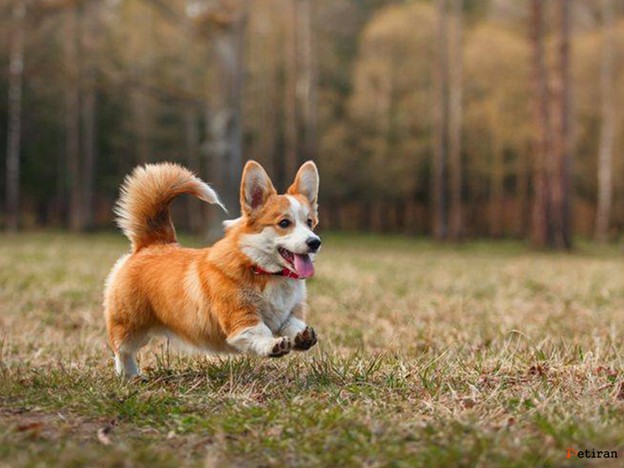
Intervertebral disc disease results from disc herniation and compression of the spinal cord. In chondrodystrophic dog breeds (those with hereditary cartilage growth abnormalities), which include Dachshunds, Corgis and Basset Hounds, IVDD usually occurs due to a sudden or acute rupture of the disc material. While wear and tear gradually damages the disc over time, ruptures typically occur suddenly as a result of a severe impact (such as jumping, landing). In large breed dogs, such as shepherds, Labrador Retrievers and Doberman Pinschers, discs harden over a longer period and eventually bulge or rupture, causing spinal cord compression. This type gradually occurs not due to any specific strong impact.

Diagnosis of intervertebral disc disease in dogs
If your dog has a backache or trouble walking, take it to the veterinarian as soon as possible. The sooner the problem is treated, the greater the chance of full recovery. The veterinarian will perform a thorough physical and neurological examination, including blood and urine tests, to assess your dog’s overall health. If the dog is suspected to have IVDD during the examination, the veterinarian will likely recommend imaging tests to observe the spine and surrounding tissues and determine the severity of the disease.
A simple radiograph (X-ray) of the spine will be taken to identify narrowed areas of the joint spaces between the vertebrae, but X-rays do not show the spinal cord. MRI can better identify the site of spinal cord compression and materials within the vertebral canal. MRI has become the preferred method for diagnosing IVDD as it allows for scanning the entire spine so that disks and the spinal cord can be assessed in one image. Depending on the severity of clinical signs and indications for surgery, other diagnostic tools such as myelography or CT scans may also be used to further evaluate the type of herniation and its location.
Treatment of Intervertebral Disc Disease in Dogs
The treatment of intervertebral disc disease varies from conservative medical management to emergency surgery, depending on the severity of the spinal cord injury:
- Conservative Treatments: In mild cases of IVDD, treatment focuses on reducing pain, inflammation, and swelling. This is achieved using medications and rest. Your dog should be kept in a crate or a small area to prevent it from running, jumping, playing, or engaging in specific activities. The duration of strict rest depends on the specific injury and the speed of recovery. Often, physical therapy is also recommended to help speed up the healing process.
- Surgery: If the injury is severe and the dog exhibits some degree of paralysis, surgery is recommended. Typically, this surgery is an emergency operation to minimize any permanent nerve damage. This involves removing the herniated disk. However, if the disease is more severe, it may be necessary to remove part of the vertebral wall and extract the ruptured disk from within the canal. Thus, depending on the severity and type of condition, a wide range of surgeries is required.

After surgery, movement restrictions are imposed, and the focus is on conservative management to improve the spinal cord. Unfortunately, some dogs may not regain their function even after surgery and may have persistent neurological issues.
Recovery and Management of Intervertebral Disc Disease in Dogs
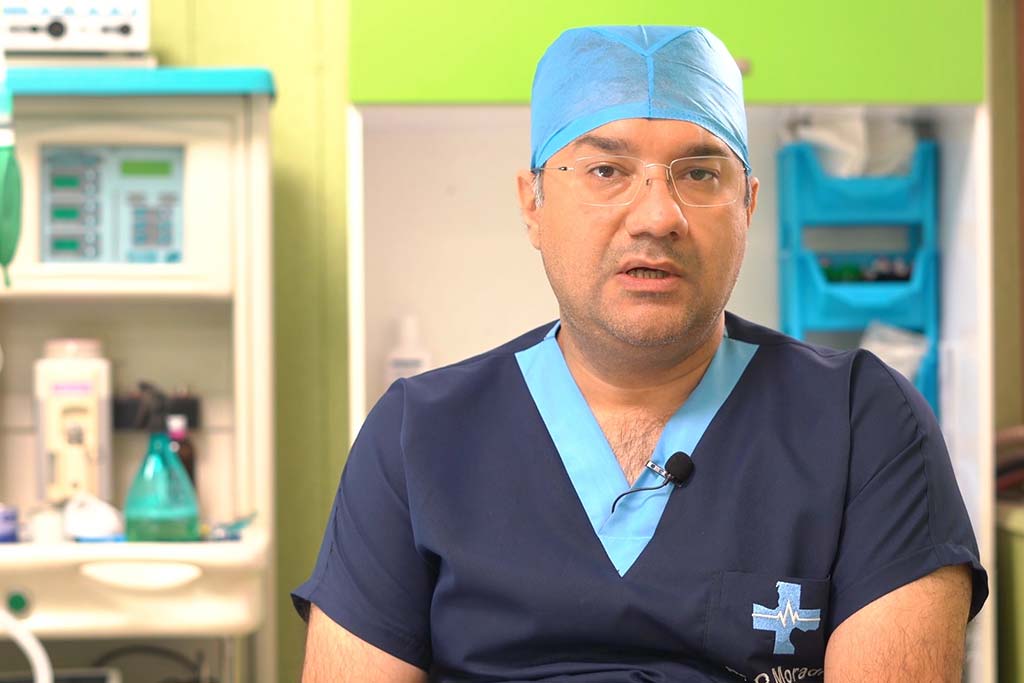
If the diagnosis and choice of surgical intervention are correct, the prognosis for this disease is very good, although there are risks involved, especially if surgery is performed in the upper neck area. Therefore, the surgery should be performed by experienced surgeons to minimize risks. Our colleagues in the surgery department of the Central Veterinary Hospital specialize in treating this disease and have extensive experience in this area. Besides the surgeon’s skill and experience, it is essential that post-operative care is also managed well.
The spinal cord heals slowly, and precautions should be taken against running, jumping, going up or down stairs or furniture, and playing with other dogs. If your dog has mild to moderate IVDD, in addition to significantly reducing activity (for about four to six weeks), steroid and anti-inflammatory medications may also be prescribed to help reduce pain and swelling. After IVDD surgery, activity is limited for six to eight weeks. Sometimes, dogs (mostly Dachshunds) may develop additional herniations in other areas of the spine after surgery. Although preventing disk herniation in the future is challenging, it is possible to limit the likelihood by avoiding activities such as jumping and strenuous movements (like frisbee, stairs). Dogs with back problems should be kept at an appropriate weight to facilitate quicker recovery after surgery and reduce future stress on the back.
The prognosis varies significantly depending on the degree and location of the injury. Most disk ruptures cause minor neurological problems, and the dog will have a very good chance of regaining its walking ability. However, if the pet lost the ability to feel pain in its legs before surgery, it may never be able to walk again. However, surgical results are very successful in dogs that have not lost their ability to walk. If your dog’s surgery is unsuccessful and does not return it to normalcy, a special wheelchair for dogs can help it enjoy a happy and active life despite having IVDD.

Final Words
As dog owners and caretakers, you are responsible for the health and well-being of these loyal friends. Given the importance of early diagnosis and treatment of intervertebral disc disease, we recommend that if you observe any suspicious signs, take your dog to the veterinarian promptly. Additionally, if surgery is required, it is your duty to accelerate recovery by adhering to activity restrictions and post-treatment care and to prevent the disease from recurring. For more information about intervertebral disc disease in dogs and consulting regarding the best treatment methods, you can contact our colleagues at the Central Veterinary Hospital through the phone numbers listed on the website.