







Oral and dental diseases are the most common issues affecting the health of pets. According to studies, 70% of cats and 80% of dogs experience some level of dental disease by the age of three. This disease can cause significant pain for the animal and, as the infection progresses, it can also affect the overall health of the pet; therefore, it is essential to prioritize the dental care of your pet. In this article, we will discuss the importance of dental health in animals and ways to prevent and treat dental plaque.

How to Prevent Dental Plaque Formation?
Every four months, your dog’s teeth should be examined by a veterinarian. This action helps maintain the animal’s teeth and their overall health. Remember that dental cleaning cannot replace brushing your pet’s teeth. To prevent plaque formation in pets, pay attention to the following points:
· Proper Nutrition
Ensure that your pet has a healthy and regular diet. Try to replace soft and paste-like foods with dry foods. Also, ask your veterinarian for specific foods that are suitable for reducing dental plaque.
· Brushing
Use an appropriate toothbrush and toothpaste designed for pets. By consistently doing this, you can prevent plaque and tartar formation on your pet’s teeth. You can also use plaque-fighting products, such as mouthwashes.
· Veterinary Visits
It is best to regularly take your pet to the veterinarian for dental and oral check-ups. These visits help in the early detection of oral and dental issues such as plaque and tartar and ensure timely necessary treatments.
· Use of Toys and Accessories
Using toys and accessories facilitates dental cleaning. Some pet toys are designed to mechanically remove plaque from teeth.
· Drinking Water
Ensure that your pet drinks water regularly. Adequate water helps wash away plaque from the teeth.
 How to prevent dental plaque formation?
The Importance of Dental Cleaning for Pets
Dental and oral problems affect most pets and can lead to various diseases. Unfortunately, warning signs regarding this important issue are often less noticeable; therefore, as someone responsible for caring for an animal, you must be fully alert. Usually, from the age of two, pets’ gums become red, and plaque may develop following this. In this case, the animal may experience pain while eating. The accumulation of bacteria can lead to serious damage not only to the mouth and teeth but also to other parts of the body through infections.
 Cleaning the teeth of pets
Cleaning Pets’ Teeth as a Way to Prevent Kidney and Vascular Diseases
In areas where dental plaque forms, there are many blood vessels, and thus, we also observe high blood circulation. In these conditions, microbes can easily enter the bloodstream and subsequently damage the kidneys, liver, and heart valves; therefore, the importance of cleaning in pets and removing dental plaque addresses not only oral and dental health but also the prevention of diseases such as kidney and vascular diseases. This topic highlights the significance of maintaining oral and dental hygiene for animals. To prevent serious damage, your pets’ teeth should be periodically examined by a veterinarian. For these services, you can rely on the veterinary specialists at the central hospital.

How is Dental Cleaning Performed in Veterinary Hospitals?
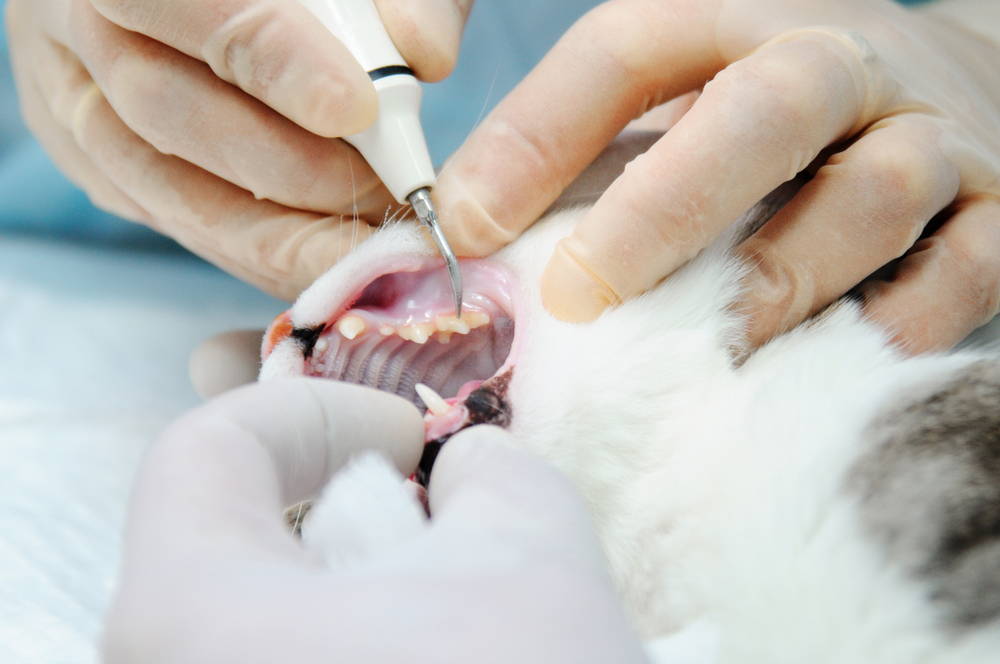
Dental cleaning is a common procedure in veterinary hospitals. Since pets tend to move around a lot, this procedure can be quite stressful for them, so general anesthesia is necessary to provide the required dental care. To ensure that anesthesia poses no risk to them, several blood tests are conducted on the animal before the procedure. The animal will be unconscious during the dental cleaning and can go home the same day. Veterinarians use a device equipped with a small tip for this procedure. The vibrations and movements of this device remove dental debris. Then, another device called a polisher is used to smoothen the tooth surface and make it very smooth. This step helps protect the teeth from subsequent deposits that may stick to them. Also, keep in mind that the more porous the pet’s teeth, the more bacteria can adhere to them.

Final Note
Dental cleaning is not uniform across different breeds. Smaller breeds are more affected than larger breeds. Remember that only veterinarians are authorized to perform dental care. Do not entrust dental cleaning of your pets to individuals who lack expertise in this field. If you try to scrape the teeth to remove tartar, it can damage the enamel and create microscopic cavities. These cavities can lead to more plaque formation on the pets’ teeth later. For your pets’ dental cleaning services, you can visit the central veterinary hospital.