





The herpes virus infection in cats, also known as feline viral rhinotracheitis (FVR), is an infectious disease caused by feline herpesvirus type 1 (FHV-1). In this article, you will read everything you need to know about this virus, from symptoms to transmission methods and treatments.
What is the herpes virus infection in cats?
Like other herpes viruses, this virus is very species-specific and only infects domestic and wild cats. This virus can infect cats of any age. 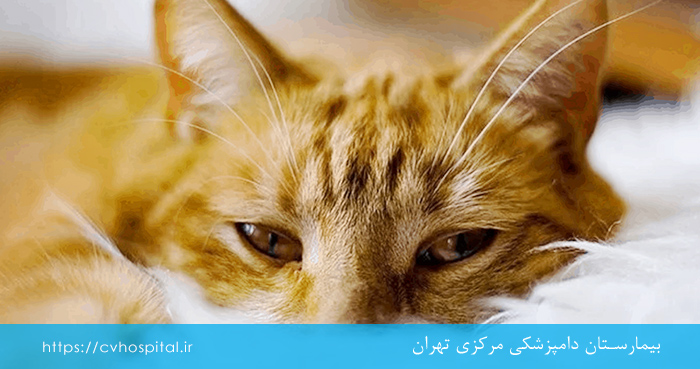 FVR is one of the primary causes of upper respiratory diseases in cats and the most common cause of conjunctival inflammation (especially the inner lining of the eyelids and the third eyelid).
How do cats become infected with feline herpesvirus?
Infection is transmitted through direct contact with viral particles. The virus is present in the saliva and nasal and ocular secretions of the infected cat. Therefore, infection occurs when a susceptible cat comes into contact with an infected cat or contaminated objects such as clothing, food and water dishes, or furniture.
How long does a cat remain a carrier of the disease after infection?
After infection, symptoms usually appear within 2 to 5 days (incubation period). During this time, the cat can infect others as well. Once symptoms appear, the active disease lasts about 10 to 20 days. It is noteworthy that all cats infected with FVR become carriers of the virus. Most carriers remain latent, meaning the virus remains inactive in the body. During times of stress or illness, the virus becomes active, and the cat will again be a carrier. In most cases, this activation is accompanied by respiratory symptoms, but symptoms are not always observed.
How long does the feline herpesvirus survive in the environment?
The virus can survive in a moist environment, but it dies once the secretions dry. Viral particles on human skin remain infectious for about half an hour. Objects such as food dishes, toys, or blankets can be carriers for up to 18 hours if they remain moist but usually dry within a few hours.
How can the virus be destroyed?
The virus is easily eliminated with disinfectants, provided it reaches all surfaces. A bleach solution (1 part bleach and 32 parts water) is effective. Contaminated items should be submerged in this solution for at least 5 minutes. Fabrics can be washed with hot water and detergent. Surfaces that cannot be disinfected with bleach should be thoroughly washed with soap and plenty of water. For disinfecting furniture, special upholstery shampoo can be used. Hands can also be cleaned by thoroughly washing with soap (especially under the nails) and then using an alcohol-based sanitizer. 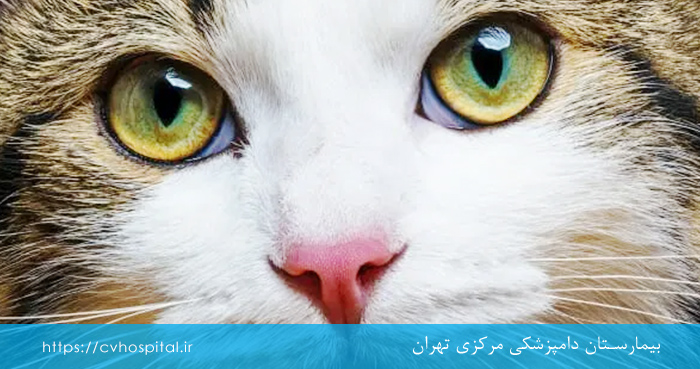
What are the clinical signs of FVR in cats?
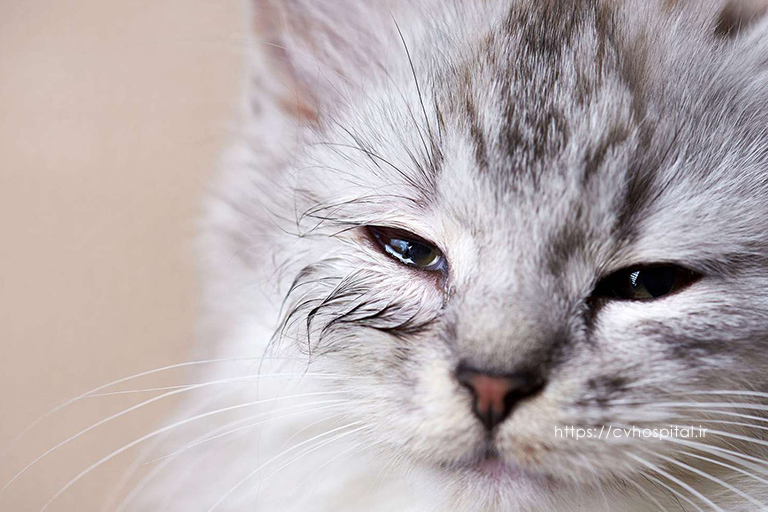
Common signs of feline herpes include sneezing, nasal congestion, eye inflammation (redness, excessive blinking), discharge from the eyes and nose (ranging from watery to purulent), and occasionally fever, lethargy, poor appetite, and swollen lymph nodes. The virus can cause corneal inflammation and corneal ulcers. In severe or chronic cases, ulcers may lead to chronic dryness of the eye.
How is FVR diagnosed in cats?
Initial diagnosis is based on history, symptoms, physical examination, and corneal ulcers (using fluorescein). Reduced tear production is also associated with FVR. A definitive diagnosis is made using PCR to identify virus DNA from nasal, eye, or throat secretions. In a latent state, diagnosis can be challenging.
How is feline herpesvirus treated?
In mild cases, symptomatic treatment is provided. Eye infections are treated with topical medications. Corneal ulcers require aggressive treatment. Antiviral medications such as famciclovir or ocular antiviral drops may be prescribed.
L-lysine supplements can reduce the severity of the disease. Antibiotics like doxycycline, azithromycin, or clavamox are prescribed to prevent secondary bacterial infection. Doxycycline should be given as a liquid or mixed with plenty of water. The probiotic FortiFlora helps shorten the duration of the disease. A new treatment called polyprenyl immunostimulant has been introduced to boost the immune system. For nasal congestion, steam (a 10-15 minute steam bath several times a day) is beneficial. Cleaning eye and nasal discharge is also helpful. Sick cats usually have a poor appetite; fragrant and canned foods can stimulate their appetite. If necessary, appetite stimulants may be prescribed. In severe cases, hospitalization and receiving fluids and supportive medications are required. 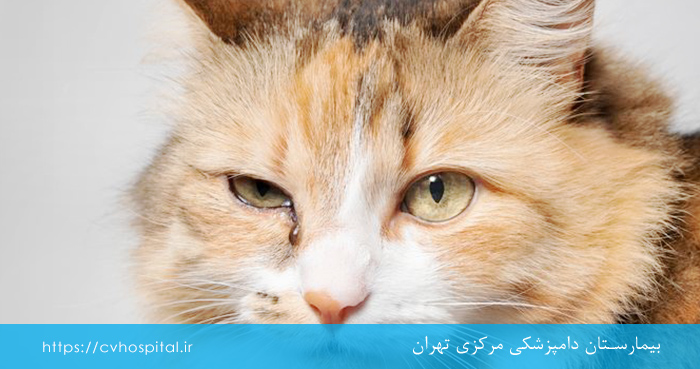
Are other cats in the house at risk?
The infected cat can be a carrier for up to three weeks after symptoms appear. The carrier cat may always pose a risk of transmission. Vaccination plays an important role in reducing disease severity. Isolating the sick cat from others is essential. Any new cat should be quarantined for at least 1 to 2 weeks.
Are humans at risk?
No, FVR is only transmitted to cats. However, secondary bacterial infections can sometimes pose a risk to humans. Maintaining hygiene and washing hands reduces the likelihood of disease transmission. Consult a doctor if you see symptoms in humans.
How can we prevent this disease?
Periodic vaccination, especially in cats in high-risk environments (boarding facilities, exhibitions), is very effective. The vaccine does not completely prevent infection but reduces the severity and duration of the disease. Booster vaccinations in carrier cats can prevent reactivation of the virus. Preventing direct contact with other cats and maintaining hygiene (like hand washing) reduces risk. Infected cats should be kept indoors to prevent the spread of disease to other cats. 
What is the prognosis of the disease?
There is no definitive treatment for the herpes virus. The goal of treatment is to reduce the frequency and severity of disease recurrences. Most cats with appropriate treatment lead normal lives. Proper nutrition, stress reduction, and adherence to a vaccination schedule are the best defenses against this disease. For more information, contact our staff at the Central Veterinary Hospital.
Frequently Asked Questions
Which cats are at higher risk of contracting feline herpes? All cats can become infected with FVR, but the disease is more severe in kittens or cats with chronic conditions. A carrier mother cat can infect her kittens after birth. Does feline herpesvirus transmit to humans? No. The feline herpesvirus type 1 (FHV-1) is specific to cats and does not transmit to humans. However, if an infected cat develops a secondary bacterial infection, in very rare cases, some of these bacteria may pose a risk to humans with weakened immune systems. Therefore, maintaining hygiene (like washing hands after contact with a sick cat) is recommended.
What eye drops are used to treat feline eye herpes? Ocular antiviral drops are used to treat eye infections caused by feline herpes. In some cases, ocular antibiotics may also be prescribed to prevent secondary infections, but these medications do not eliminate the virus. Any medication should be used under the supervision of a veterinarian. What home remedies exist for feline herpes and are they effective? In mild cases, supportive measures such as cleaning discharge and preventing stress at home can help improve the cat’s condition. However, home remedies do not replace specialized treatment, and if severe or prolonged symptoms are observed, a veterinarian should be consulted. What medications are available to treat feline herpesvirus? Currently, there is no definitive treatment to eliminate the virus, but several medications help reduce symptoms and control the disease, which we have mentioned in the article. It is vital to note that medications should be used according to the veterinarian’s prescription and at the appropriate dose. Is there a vaccine to prevent the feline herpesvirus? Yes. The combination vaccine for cats, commonly known as FVRCP or the tri-feline vaccine, contains a modified live herpes virus and helps reduce the likelihood or severity of the disease. Source: vcahospitals





2 دیدگاه
I have been suffering from (GENITAL HERPES VIRUS) disease for the past 2 years and had constant pain and itching, especially in my private parts. During the first year, I had faith in God that I would be cured someday. This disease started circulating all over my body and I have been taking treatment from my doctor, few weeks ago I came across a testimony of Shayla Bosschart on the internet testifying about a Man called Dr iniboku on how he cured her from 7 years HSV 2. And she also gave the email address of this man, advising anybody to contact him for help on any kind of diseases that he would be of help, so I emailed him telling him about my (HSV 2) he told me not to worry that I was going to be cured!! Well, I never doubted him. I have faith he can cure me too,, Dr iniboku prepared and sent me Healing Soap, roots and herbs which I took. In the first one week, I started experiencing changes all over me, after two weeks of using his Roots/ Herbs, Oil and Soap, I was totally cured. no more inching , pain on me anymore as Dr iniboku assured me. After some time I went to my doctor to do another test and the result came out negative. So friends my advice is if you have such disease or know anyone who suffers from it or any other disease like HPV, HBV, HIV, ALS, HBP, CANCER etc. you can contact Dr iniboku for help via email} drinibokuherbalhome@gmail.com / drinibokuspelltemple@gmail.com whatsapp him through his mobile} +2347059186346. Thanks once again Dr iniboku for making me a happy woman again.
Please note that this article is about feline diseases, specifically Herpes Virus Infection in Cats. This is a veterinary website, and the content is written for animal health — in this case, for cats. It is not related to human medical conditions such as genital herpes.