






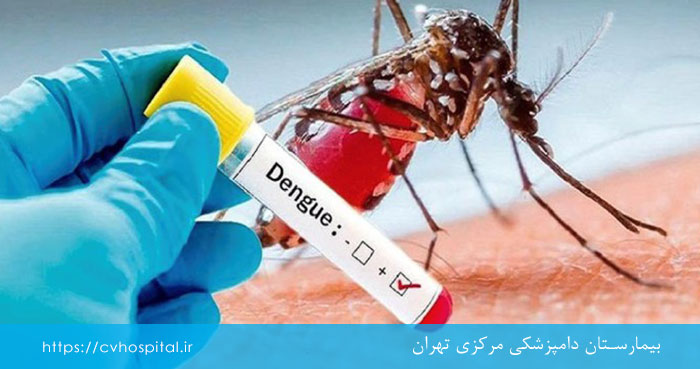
Dengue fever is a viral disease transmitted to humans through the bites of infected mosquitoes. Currently, between 100 to 400 million people, especially in tropical areas, are affected by this disease annually. Dengue fever is accompanied by symptoms such as high fever, muscle pain, headache, and sometimes bleeding. Due to the severe body aches, it is also referred to as “breakbone fever.” Although many cases of dengue are asymptomatic or mild, the virus can sometimes lead to bleeding, severe drop in blood pressure, and even death. Therefore, special attention should be paid to preventive measures and early diagnosis of the disease.
In this article, we will scientifically and comprehensively examine the symptoms, preventive methods, and treatment options for this disease.
What is Dengue Fever?
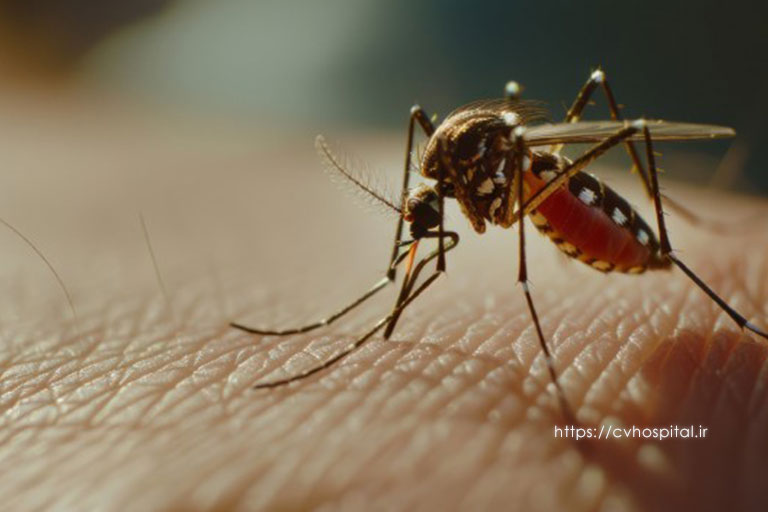
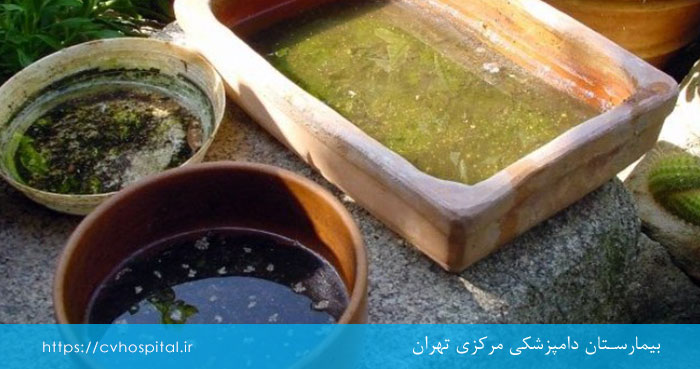
Dengue fever is a disease transmitted through the bite of the Aedes mosquito, which carries the dengue virus (DENV). The mosquito is usually active during the day, laying its eggs in stagnant water (such as water containers in backyards, flower pots, open barrels, etc.). Dengue fever can be mild or severe. In severe cases, it is accompanied by a drop in blood platelets, internal bleeding, or shock, which threatens the patient’s life.

Symptoms of Dengue Fever
Most individuals infected with dengue have mild symptoms or no symptoms at all, and usually recover within 1 to 2 weeks. Dengue can rarely be severe and lead to death.
Initial Signs:
- Sudden and severe fever (above 39 degrees)
- Severe headache
- Pain behind the eyes
- Severe muscle and joint pain
- Nausea and vomiting
- Rash resembling measles
- Lymph node swelling
- Mild bleeding from the gums or nose
It is important to note that people who are infected with dengue for the second time are at greater risk for severe forms of the disease. Severe symptoms typically appear after the fever subsides.
Severe Dengue Symptoms:
- Severe abdominal pain
- Persistent vomiting
- Rapid breathing
- Bleeding from the gums or nose
- Extreme fatigue
- Restlessness
- Presence of blood in vomit or stool
- Severe thirst
- Pale and cold skin
- Feeling extremely weak
In severe dengue fever or dengue hemorrhagic fever, immediate action and medical care are required.
How is Dengue Transmitted?
The dengue virus is transmitted through the bite of the Aedes mosquito. These mosquitoes acquire the virus from an infected person and, after a certain period, become capable of transmitting it to healthy individuals.
- The Aedes mosquito is usually active during the day (especially early in the morning and late in the evening).
- This disease is not transmitted from human to human and only the carrier mosquito plays a key role in the transmission.

How is Dengue Diagnosed?
Accurate diagnosis of this disease is typically done with the help of the following blood tests:
- Platelet count (decreased platelet count is one of the important signs)
- NS1 antigen test for rapid virus detection
- IgM and IgG antibody tests for disease stage detection
- PCR tests
Identifying High-Risk Areas
Dengue fever is more prevalent in tropical and subtropical regions of the world, particularly in countries located in Southeast Asia, Latin America, Africa, and the Pacific. Countries such as Brazil, India, the Philippines, Indonesia, and Thailand have some of the highest incidence rates. Changes in climate and the expansion of Aedes mosquito habitats have also allowed dengue to spread to new areas.
Dengue Fever in Iran
In Iran, some provinces are considered high-risk areas due to warm and humid climatic conditions. These provinces include Hormozgan (Bandar Abbas and surrounding areas), Sistan and Baluchestan (Chabahar and Zahedan), Bushehr, Khuzestan, and southern regions of Golestan.
Prevention Methods
If you plan to travel to high-risk areas or live in such areas, keep in mind that the first and best action to control this disease is to prevent it. To this end, please follow these protocols:
- Do not sleep in open spaces unless with a mosquito net
- Wear protective clothing and cover the entire body (long-sleeved shirts, pants, socks, shoes, gloves)
- Use insect repellent sprays
- Use adequate ventilation systems in the home
- Install screens on doors and windows
- Eliminate sources of stagnant water around the residence, including flower pots and pet containers
- Vaccination with Dengvaxia for individuals with a previous history of the disease
Treatment for Dengue Fever
As of today, there is no specific treatment for this disease, and treatment primarily involves managing symptoms. If infected with this disease, the following actions can help with quick recovery:
- Get plenty of rest
- Drink plenty of fluids to prevent dehydration
- Use antipyretic medications such as acetaminophen
- Discontinue non-steroidal anti-inflammatory drugs such as aspirin and ibuprofen due to increased bleeding risk (under doctor’s supervision)
- For severe cases, hospitalization and infusion of fluids and platelets
Conclusion
Dengue fever is an important viral disease that is spreading, transmitted by Aedes mosquitoes, and can range from mild symptoms to severe and even fatal complications. Given the increasing prevalence of the dengue virus in the tropical areas of the world and some southern provinces of Iran, public awareness and preventive actions, including avoiding mosquito bites and eliminating breeding sites, play a crucial role in reducing infection rates and protecting community health. Finally, in case of suspicious symptoms, prompt consultation with a physician for necessary care is essential.
Frequently Asked Questions
Is dengue transmitted from human to human? No, this disease is not transmitted through direct contact and is only transferable by the carrier mosquito. What is the home treatment for dengue fever? Rest, drinking plenty of fluids, and taking acetaminophen to reduce fever are among the most important home interventions for improving dengue fever. If you are taking blood-thinning medications, be sure to consult your doctor before taking them. Reduce or cut them.
When should I see a doctor? If you have a high fever for more than three days, bleeding, severe abdominal pain, vomiting, or severe weakness, you should definitely see a doctor.
Is dengue fever deadly? In severe cases and without medical care, it can be deadly. However, with timely diagnosis and treatment, it is usually manageable and not a cause for concern.
Can dengue fever be permanently avoided or is there a possibility of re-infection?
The dengue virus has four different types (DENV-1 to DENV-4). If a person is infected with one of these types, they become immune only to that type, not to the others. Thus, it is possible for a person to get infected with a different type of dengue after recovery. In some cases, re-infection can be more dangerous and the risk of severe dengue increases. For this reason, prevention is always essential, even if you have previously had the disease.