


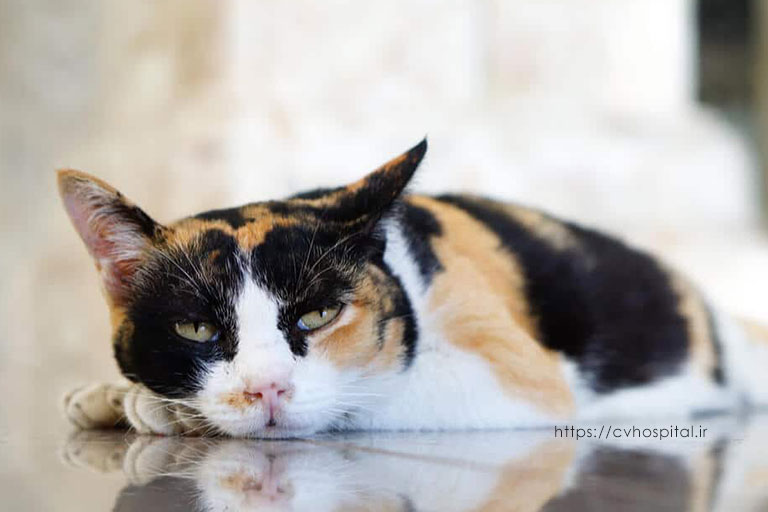


The Feline Immunodeficiency Virus (FIV) is a virus specific to the cat family. This disease is similar to HIV (the human immunodeficiency virus, which causes AIDS in humans) as it attacks and weakens the immune system, and there is no cure for it. The FIV virus was first identified in the mid-1980s and is found in cats worldwide. Despite its spread, this virus is not a common infection in cats. Only 1-5% of cats show evidence of exposure to the virus. There are different strains of FIV, some of which seem to be more harmful than others.
My cat’s FIV test came back positive, does it have AIDS?
A positive FIV test does not mean that your cat has feline AIDS (feline acquired immunodeficiency syndrome). The FIV screening test (which will be explained later) identifies antibodies created in your cat’s blood due to infection with the Feline Immunodeficiency Virus.
A positive FIV diagnosis means that your cat has been infected with this virus, but it may take years for the clinical signs referred to as feline AIDS to appear.
Is feline AIDS transmissible to humans?
Although HIV belongs to the FIV virus family, these two viruses infect different species; HIV only infects humans, while FIV only infects cats. Therefore, feline AIDS is not among zoonotic diseases shared between humans and cats.
Are other cats around at risk?
Other cats in your household may already be infected and should be tested. The spread of the virus among cats through normal social interactions, such as grooming, is unlikely, so other cats may test negative for FIV. However, a cat that has FIV can infect other cats. 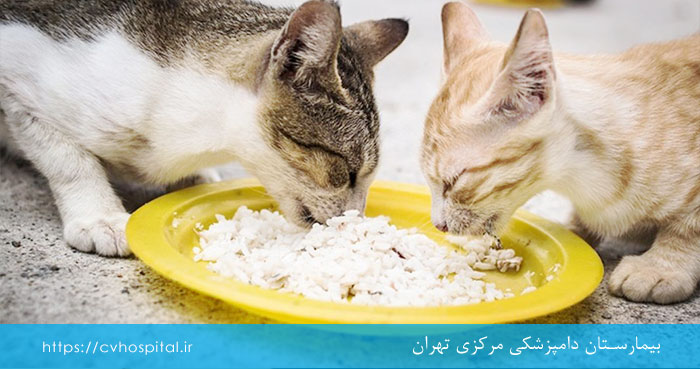 Cat AIDS transmission via saliva
How do cats become infected with FIV?
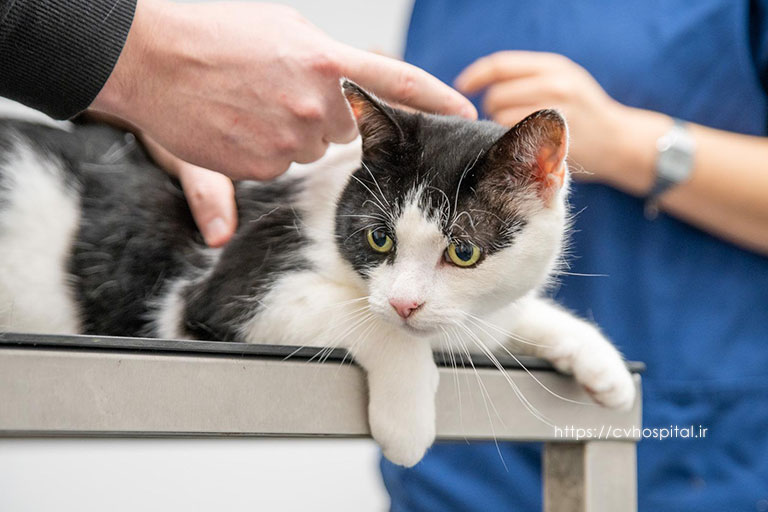
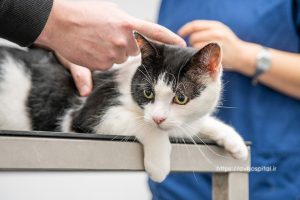
Infected cats mainly shed the virus through their saliva. Natural transmission of the infection occurs when a cat that actively harbors the virus in its saliva bites another cat, transferring the virus directly through the bite wound into the other cat’s body. When body fluids, especially contaminated blood, enter a cat’s body, it becomes infected. Infectious blood may enter a cat through a bite wound or may infect the cat via a blood transfusion. This virus may also be transmitted sexually. Many FIV positive cats are known fighters, especially those with a history of biting other cats. Any cat bitten by a cat with an unknown medical history should be tested for FIV approximately two months after the bite. The FIV organism cannot survive long outside living cells. This is another reason why random infections are rare. Kittens may be infected before birth, at birth, or shortly after birth. In these cases, it is believed that the virus is transmitted through the uterus during pregnancy or through the mother’s milk during nursing. About one-fourth to one-third of kittens born to an infected mother will likely also contract the disease. 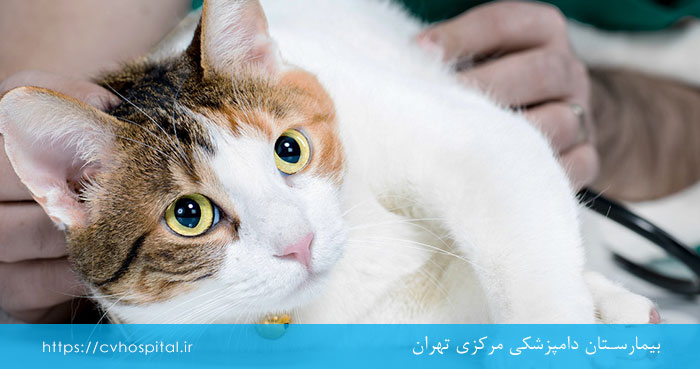 Visit to the veterinarian for feline AIDS
How is the FIV virus diagnosed in cats?
The FIV virus is diagnosed through blood tests that detect the virus’s antibodies. The most common screening test is the ELISA (enzyme-linked immunosorbent assay) test. A positive test result means that the cat has produced antibodies to the virus and is likely infected. Kittens born to an infected mother may receive maternal antibodies or viral antibodies via milk, potentially resulting in a false positive test result. Kittens under four months of age that test positive should be retested at six months of age when maternal antibodies will have faded. It may take up to eight weeks for a cat to produce antibodies against FIV so testing a cat that has recently been infected with this virus may yield a false negative result. If a cat tests positive in the ELISA test, the results should be confirmed with a retest in eight weeks (for kittens) or by sending a blood sample for a Western blot test or PCR test.
Can a cat recover from FIV?
Once a cat is infected with the FIV virus, it remains infected for life. However, it is unclear if all infected cats will become clinically ill. It may take weeks, months, or even years after the initial FIV infection for a cat to show clinical signs of disease.
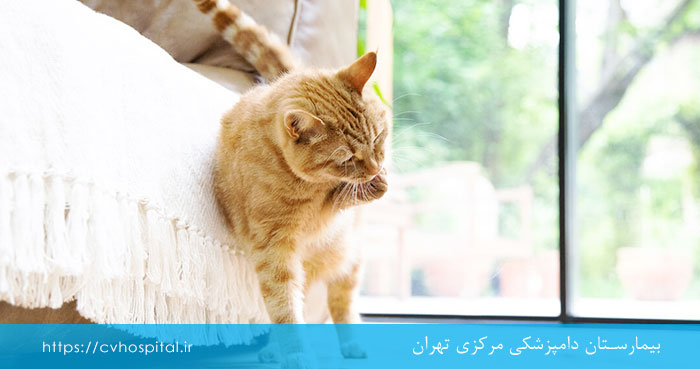 What are the signs of feline AIDS?
What types of diseases does the FIV virus cause?
The FIV virus decreases a cat’s immune system’s ability to respond to other infections. Therefore, infections that a cat could normally recover from can become prolonged or chronic. This means that many clinical signs associated with FIV are due to other untreated infections. Common clinical signs of FIV infection include:
- Gingivitis/stomatitis (inflammation of the gums and mouth)
- Weight loss
- Poor appetite
- Fever, especially fever of unknown origin
- Inflammation of the membranes around the eyes (chronic conjunctivitis)
- Swollen lymph nodes
- Vomiting and diarrhea
Most of these symptoms are nonspecific, and many diseases can create a similar clinical picture. Any cat showing ongoing or recurrent disease or clinical signs should be tested for FIV.
Is there a treatment for FIV?
Secondary bacterial infections related to feline AIDS can be effectively treated with antibiotics. Unfortunately, this treatment is usually temporary as new infections arise due to immune system suppression. Some cats have responded successfully to human HIV medications like AZT (zidovudine). Some antioxidants and immune-stimulating drugs may also be beneficial. Discuss these options with your veterinarian. 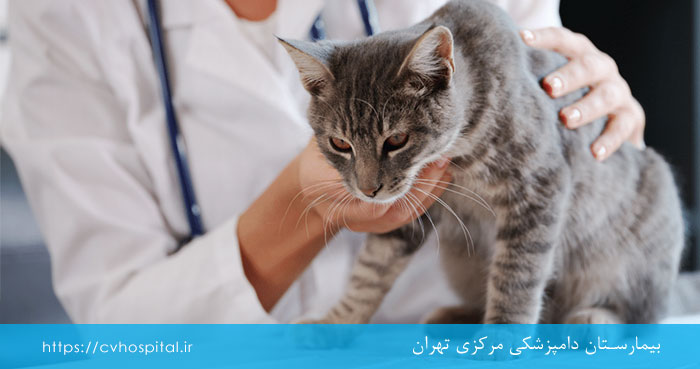 Should cats with AIDS be euthanized?
Should I euthanize my cat with AIDS?
In general, euthanasia of a cat is not necessary until the late stages of the disease. Like humans with HIV, cats with FIV go through a long period in which they may appear healthy and have no clinical signs. This period can last two to five years or more, during which your cat will lead a normal, happy life.
How can I help my FIV positive cat?
You can help your cat by ensuring a healthy lifestyle and proper nutrition with a high-quality diet, along with biannual check-ups (including blood and urine tests) to monitor its immune status. Any infections should be treated promptly. Avoid feeding raw diets to your positive FIV cats, as pathogens that may be present in such foods can affect your cat’s immune system. It is also advisable to monitor for parasites in your cat.
How can I prevent my cat from contracting AIDS?
Since most cats become infected through bite wounds during fights, the risk of FIV infection can be minimized by ensuring that your cat is neutered and kept indoors. Currently, there is no vaccine available to prevent feline AIDS. 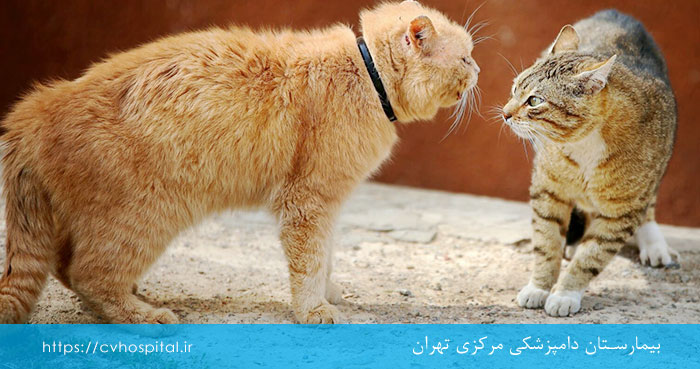
A cat in the family is FIV positive, and the others are not, what should I do?
There are two options:
- Ideally, keep the FIV positive cat in a separate house from the other cats.
- Since the risk of transmission to your other cats through social contact is low, you may keep the FIV positive cat with the other cats. In this case, the positive cat should have its own food bowl separate from the other cats and should not share food with them.
Feline AIDS at a glance
The table below summarizes all the key points you need to know about this disease:
| Topic | Description |
|---|---|
| Feline Immunodeficiency Virus (FIV) | A virus specific to the cat family that attacks and weakens the immune system. Similar to HIV in humans and has no cure. |
| FIV prevalence | FIV was first recognized in the 1980s and is found in cats worldwide. 1-5% of cats are at risk of the virus. |
| My FIV test is positive, does my cat have AIDS? | A positive FIV test does not mean the cat has AIDS. A positive FIV diagnosis indicates the cat is infected, but symptoms may appear years later. |
| Transmission to humans | FIV only infects cats and poses no risk to humans. |
| Risk to other cats | Nearby cats may already be infected, but the virus is not transmitted through normal social interactions. |
| Methods of FIV transmission | The virus is transmitted through saliva and contaminated blood. It may also be transmitted sexually or from mother to kitten. |
| Diagnosis of FIV | FIV is diagnosed via blood tests that identify the virus’s antibodies. The ELISA test is the most common test. |
| Will my cat recover? | A cat infected with FIV remains infected for life, but clinical signs of the disease may appear late. |
| FIV clinical signs | Include gingivitis, weight loss, fever, poor appetite, eye and lymph node inflammation, vomiting, and diarrhea. |
| Treatment for FIV | Secondary bacterial infections are treated with antibiotics, but new infections continue to occur due to immune suppression. |
| Euthanasia of FIV positive cats | Euthanasia is generally not necessary, and the cat can have a normal, happy life for 2 to 5 years or more. |
| Helping FIV positive cats | By ensuring a high-quality diet and biannual check-ups, you can help the cat. Avoid feeding raw diets. |
| Preventing infection | By neutering cats and keeping them indoors, the risk of FIV transmission can be reduced. There is currently no vaccine for prevention. |
| How to keep an FIV positive cat with other cats? | The FIV positive cat should be kept separate from other cats or have a separate food bowl from the others. |
If you notice any symptoms suspicious of the Feline Immunodeficiency Virus, take your cat to the Central Veterinary Hospital for testing and examination so that the necessary tests can be done. If you have any questions about the treatment process, you can contact the numbers listed on the website and benefit from our colleagues’ guidance.