







Dog sterilization is a specialized surgical procedure to remove the uterus, ovaries, and testicles of dogs. This can have a remarkable impact on improving the healthy life of these animals. To align the behavioral habits of dogs with urban living conditions, it is essential that their living circumstances change; thus, sterilization is recognized as one of the important requirements in this regard. On this page, we will provide the necessary information about the methods of sterilizing male and female dogs.
Definition of Dog Sterilization
Male and female dogs are sterilized under full anesthesia in a surgical procedure. The primary factor that makes sterilization necessary for both domestic and street dogs is the prevention of excessive reproduction. Therefore, after this procedure, dogs will lack sexual drive and the ability to reproduce. The surgical procedure for sterilizing dogs varies depending on their gender. Generally, male dogs experience an easier and quicker operation and have a shorter recovery period. During this procedure, the testicles of the male dog are removed by making a small incision.

However, the sterilization procedure for female dogs is more complex and specialized, therefore requiring a longer recovery time. During the surgery, the abdomen of the female dog is incised, and the ovaries and uterus are removed while the fallopian tubes are tied. There are two specialized surgical methods for sterilizing female dogs, and the choice of method depends on the physical condition of the animal and the veterinarian’s discretion:
- Ovariohysterectomy method for removing the uterus and ovaries
- Ovariectomy method for removing the ovaries
In this section, we answered the question of what dog sterilization is and examined the differences between sterilizing male and female dogs. However, if your pet is not a dog, to find out about the conditions for sterilizing it and other supplementary points, refer to this article from the Central Veterinary Hospital: Sterilization of Animals.
What is the Best Age for Dog Sterilization?
The appropriate age for sterilizing dogs is between 6 to 12 months. However, due to the variety of breeds of these animals, one should not rely solely on their age for this procedure, and sterilization should be performed before they reach sexual maturity. Smaller breeds typically reach sexual maturity faster, which is fully diagnosed by a veterinarian examination. Dogs can be sterilized until the age of ten.
 Sterilizing Puppies
Benefits of Dog Sterilization
Domestic or street dogs, due to their sexual organs, instinctively attempt to reproduce and may exhibit inappropriate behavior if their sexual needs are not met. Thus, when keeping these animals at home, it is necessary to raise them in harmony with the home and urban environment, and one of the primary actions in this regard is sterilization. The benefits that this surgical procedure can provide in enhancing their lives and making their care easier include:
- Prevention of reproduction
- Prevention of dogs escaping from home
- Reduction in the incidence of cancer and sexual diseases
- Elimination of the menstrual cycle in female dogs
- Reduction of aggressive behavior
What are the Disadvantages of Dog Sterilization?
Considering that vital organs such as the ovaries, uterus, and testicles are removed during the sterilization process, naturally, issues can arise in their body’s normal functioning, which are introduced as the disadvantages of this procedure:
- Significant weight gain
- Incontinence in dogs sterilized under 6 months
- Cardiac issues in certain breeds
- Unattractive and rough body coat
Cost of Dog Sterilization
Due to the specialized processes involved in sterilizing male and female dogs, the costs of dog sterilization will also vary. This is more true for female dogs, where the type of surgical method will also affect the costs. In the table below, you can see the names of the services related to dogs. For information on the cost of each of these services, please contact the Central Veterinary Hospital.
| Service Name | Cost |
|---|---|
| Small Male Dog Sterilization | Contact the Veterinary Hospital |
| Small Female Dog Sterilization | Contact the Veterinary Hospital |
| Medium Male Dog Sterilization | Contact the Veterinary Hospital |
| Medium Female Dog Sterilization | Contact the Veterinary Hospital |
| Large Male Dog Sterilization | Contact the Veterinary Hospital |
| Large Female Dog Sterilization | Contact the Veterinary Hospital |
| Anesthesia for Male Dog | Contact the Veterinary Hospital |
| Anesthesia for Female Dog | Contact the Veterinary Hospital |
Behavioral Changes in Dogs After Sterilization
What changes do dogs undergo after sterilization? In response to this question, it should be said that naturally, aggressive and violent behaviors that arise from changes in their sexual hormones decrease, and this can be recognized as a strength in their behavior. Approximately 99% of a dog’s behavior improves after sterilization. Therefore, sterilization can be a solution for reducing aggressive behavior and restlessness in dogs. However, sometimes this doesn’t happen, so for training a dog, it is advisable to seek help from a professional trainer.
Sterilization of Stray Dogs
The population of street dogs in many countries is out of control, leading to numerous problems, including serious diseases like rabies. Additionally, the presence of dogs in certain areas poses threats to human safety and to the dogs themselves; therefore, it is necessary to control their population. The sterilization of stray dogs is recognized as a necessary process for managing the population of these animals at the edges of cities and villages; however, success has not been fully achieved due to a lack of sufficient facilities and the large number of dogs.
Post-Surgery Care After Dog Sterilization
The surgical procedure for sterilization is performed in a sterile operating room with all necessary facilities, and anesthesia is used to prevent pain in dogs. After surgery, dogs need to be cared for by their guardians following these guidelines:
- The environment for the dog’s recovery after surgery should be warm to enhance their recovery speed.
- Immediately after waking up, water and food should not be offered to them, as consuming liquids and food shortly after waking can lead to choking.
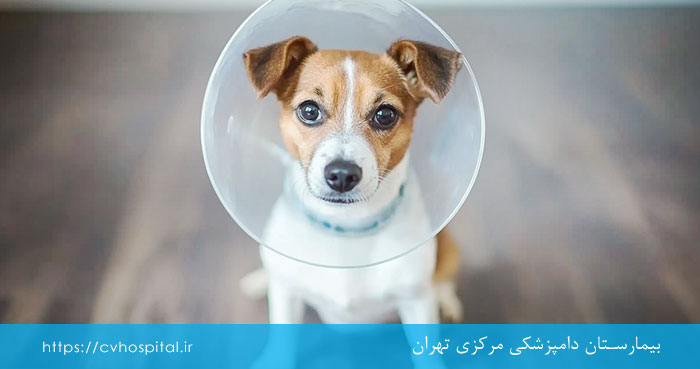
- The Elizabethan collar should be kept on for two weeks after the surgery to prevent licking and damaging the suture site.
How Long is the Recovery Period for Dogs?
The recovery period after sterilization for female dogs is about 14 days, during which special physical care is needed to prevent the abdominal stitches from opening. Therefore, preventing excessive movement of the female dog and creating a calm, warm, soft environment along with a suitable diet is essential. The recovery period after sterilization for male dogs is shorter than for females, lasting about seven to ten days. Avoiding excessive physical activity, such as walking and running outside, and keeping their living area warm are crucial actions during the recovery period for male dogs.

Conclusion
Sterilization of dogs is a specific surgical procedure to remove the ovaries, uterus, and testicles of male and female dogs to eliminate sexual drive and prevent mating and reproduction. Dogs that undergo this surgical procedure fully recover within a maximum of two weeks. In this article, we have detailed what you need to know about dog sterilization, and if you need direct advice from veterinarians at the Central Hospital or to schedule a surgery appointment, please contact the numbers listed on the site.
Frequently Asked Questions
Is depression a consequence of dog sterilization? No, dogs will have balanced hormones after this surgical procedure, which can positively affect their mood.
Does the sterilization injection for female dogs prevent them from getting pregnant? This hormonal injection has a temporary effect and is used to regulate the sexual hormones of female dogs; to maintain its effect, it must be renewed every few months, but generally, it does not have a significant impact on preventing pregnancy. What are the benefits of sterilizing a male dog? After sterilization, male dogs do not exhibit aggressive behaviors aimed at mating and territorial defense, and with their sexual drive controlled, they no longer need to mate.
Source: thekennelclub