





One of the common problems often seen in dogs and cats is respiratory issues such as shortness of breath, sneezing, and coughing. One of the most significant factors affecting respiratory problems in pets is indoor air pollution. Pets, especially dogs and cats, are known for their strong sense of smell. The part of the brain related to the sense of smell in dogs is 40 percent larger than in humans, and cats can smell up to 14 times more scents than humans. Therefore, any odor, including chemical scents like alcohol, bleach, Dettol, and even the smell of cigarettes and hookahs, can affect the respiratory system of these animals. In this article, we will discuss the respiratory problems that cigarette smoke causes for these pets.
Types of Cigarette Smoke
Firsthand smoke: This is the smoke that the cigarette smoker inhales into their lungs. We are well aware of the dangers of this type of smoke and know it can lead to various diseases, including lung cancer. Secondhand smoke: This is the smoke inhaled by those around the smoker and by animals near them. This smoke has many adverse effects for animals that have a strong sense of smell. Thirdhand smoke: This is the nicotine dust and residue that settles on the bodies of animals, clothes, and objects. This type of smoke can also be dangerous for pets.
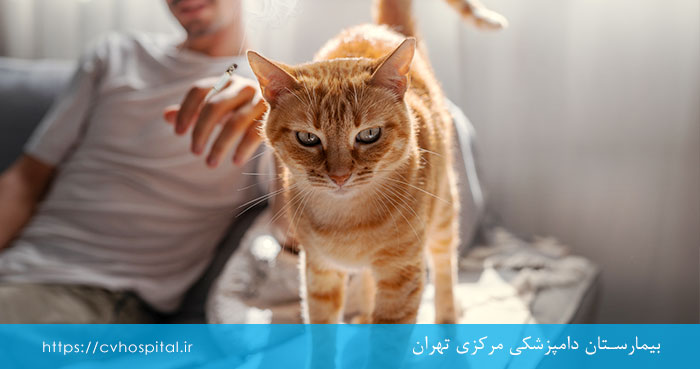
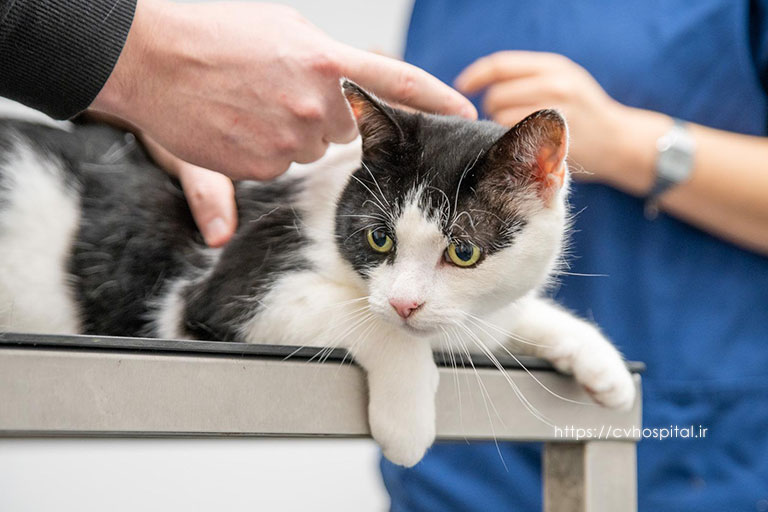
The Effect of Cigarette Smoke on Cats
Cats also have short noses, and nicotine particles can directly enter their lungs. This can lead to lung cancer and lymphoma in cats. Note: Dogs and cats, especially cats that have a habit of daily grooming and licking themselves, are at risk due to thirdhand smoke. The thirdhand smoke that settles on their skin and fur can enter their mouths while grooming and over time can lead to oral tumors in these animals.
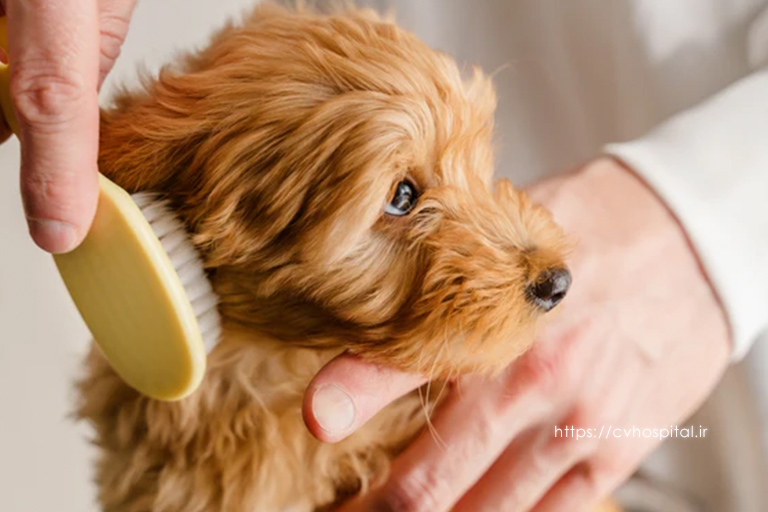
The Effect of Cigarette Smoke on Dogs
Long-nosed dogs: In long-nosed dogs like German Shepherds, Golden Retrievers, and Labradors, nicotine particles accumulate in the nasal mucosa and over time can turn into cancerous tumors in the noses of these dogs. Short-nosed dogs: In short-nosed dogs, nicotine particles go directly into the lungs and can cause lung cancer over time. These particles can also lead to bronchitis, sneezing, coughing, and in the long run, asthma.

Advice: Given the high sensitivity of pets’ respiratory systems to cigarette smoke, we must pay special attention to them. Do not smoke near pets and try to do it outside. If you notice that your pet has watery eyes, a runny nose, sneezing, coughing, and wheezing, seek veterinary care as soon as possible. The veterinarian may want to see a chest X-ray of the animal (if there is no problem in the chest, then a head and neck X-ray of the animal may be performed).
Summary
Cigarette smoke is hazardous not only to humans but also to pets. Dogs and cats are severely affected by cigarette smoke due to their strong sense of smell and the high sensitivity of their respiratory systems. Since pets cannot remove themselves from cigarette smoke, it is our responsibility to provide a healthy living environment for them. By avoiding smoking in the presence of pets and paying attention to their respiratory symptoms, we can help maintain the health and quality of life of these lovable creatures. If your dog or cat is facing respiratory problems, please visit our veterinarians at the internal medicine department of the Central Veterinary Hospital as soon as possible so that necessary treatments can be carried out and they can return to their normal state as much as possible.