





The term heatstroke in dogs
Heatstroke is a term commonly used for hyperthermia or increased body temperature. Generally, if a dog’s body temperature exceeds 39.4 degrees Celsius, it is considered an abnormal or hyperthermic state. A body temperature above 41.1 degrees Celsius without prior signs of illness is usually due to exposure to excessive environmental heat and is referred to as heatstroke. The critical temperature at which organ failure and imminent death occur is around 41.2 to 42.7 degrees Celsius. If your pet is not a dog, for more information, read the article Heatstroke in pets.
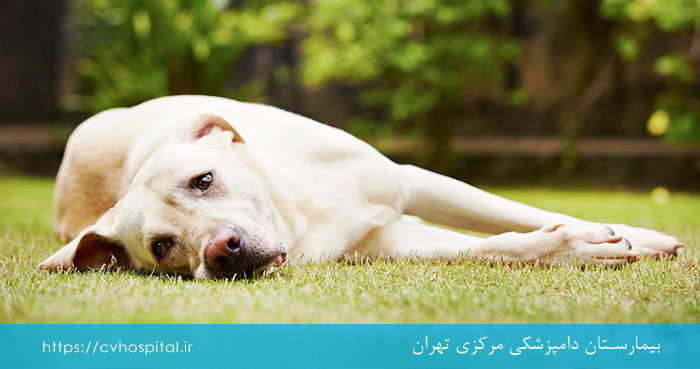
How can I tell if my dog has heatstroke?
Some of the most common signs of heatstroke in dogs during summer or hot days include:
- Faster breathing than usual
- Dry or sticky gums
- Abnormal color of the gums
- Bruising in the gums
- Lethargy or confusion
- Animal seizures
What causes heatstroke in dogs?
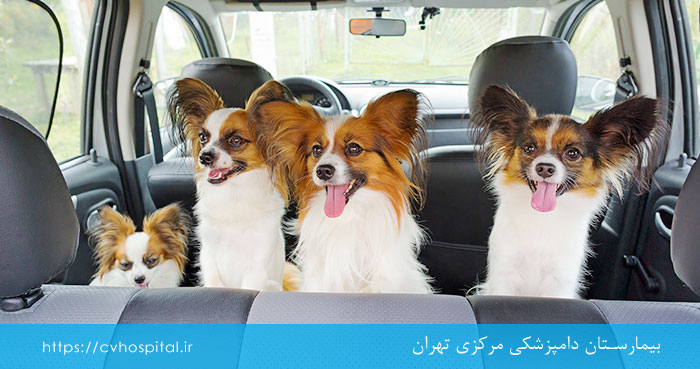
The most common cause of heatstroke or hyperthermia in dogs is putting them in a car with inadequate ventilation. In these conditions, a dog’s body temperature can rise quickly and often within a few minutes. Note: Dogs cannot regulate their body temperature through sweating like humans because they only have a limited number of sweat glands in their feet. The primary way dogs regulate their body temperature is panting. Other causes include:
- Leaving a dog in the yard without access to shade or water on hot days
- Prolonged exposure to a hairdryer
- Excessive or strenuous exercise in high temperatures
- Excited or heavily exercised dogs even under conditions where the temperature and humidity do not seem high may be at risk. This is especially true if the dogs are kept in poorly ventilated environments or dog houses.
- Dogs with restricted airways, such as brachycephalic breeds (dogs with flat faces like pugs, boxers, and bulldogs), are at a higher risk. In these breeds, clinical signs of heatstroke can appear when temperature and humidity increase even moderately.
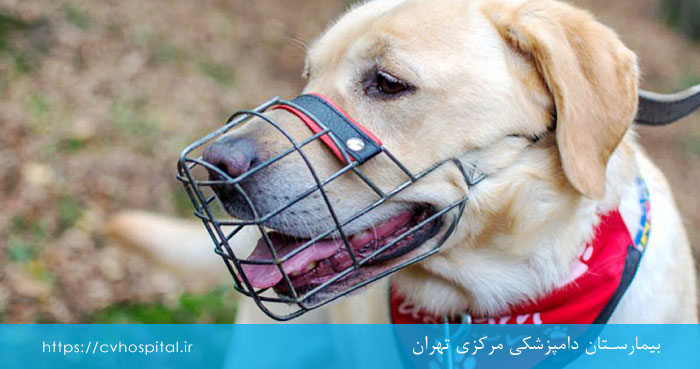
- Dogs that are muzzled for any reason may also be at higher risk because their ability to pant is restricted by the muzzle.
- Any infection that causes fever in dogs can lead to hyperthermia. Seizures or severe muscle contractions can also cause an increase in body temperature due to increased muscle activity.
Treatment for heatstroke in pet dogs
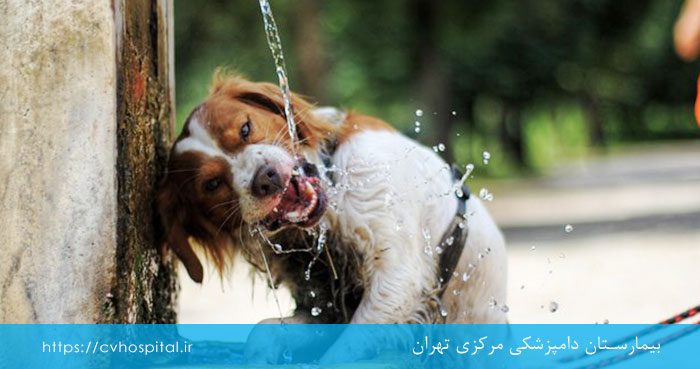
Hyperthermia or increased body temperature in dogs is a medical emergency. Safe and controlled reduction of body temperature is a priority. Cool (not ice) water should be poured over the head, belly, armpits, and paws, or cool cloths can be placed on these areas. If wet cool cloths are used, they should be swapped out continuously; otherwise, they may absorb heat. Continuous airflow over the dog should be maintained to aid in evaporative cooling until necessary treatments at the veterinary hospital begin. Ensure that continuous airflow over the dog is maintained to assist in evaporative cooling until treatment at the veterinary hospital is administered.
Although its benefits are disputed, rubbing alcohol can be applied to the paw pads to dilate the pores and increase sweating. The use of ice packs is controversial as they may reduce blood flow to the skin surface, where heat exchange can occur. Intravenous fluids, mild sedation, and low-concentration oxygen therapy are also commonly used to treat heatstroke. The dog’s rectal temperature should be monitored, and treatment should stop when the dog shows signs of recovery, or body temperature drops to 39.4ºC. If cooling continues, the patient may become hypothermic (dangerously low body temperature).
Is there hope for the recovery of a heat-stressed dog?
The hope for recovery depends on the extent of the body temperature increase, the duration of hyperthermia, and the dog’s physical condition before overheating. If the body temperature does not rise significantly, most healthy dogs recover quickly if treated. Some dogs may suffer permanent organ damage or may die later due to complications from hyperthermia. Animals that have suffered hyperthermia are at a higher risk for future heatstrokes due to damage to the temperature regulation center.
Preventing heatstroke in dogs on hot summer days
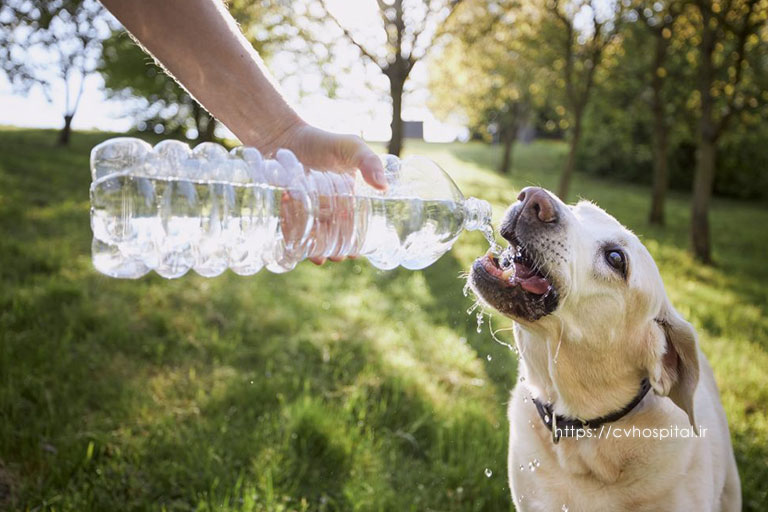
The most important point about preventing heatstroke in dogs in summer is not to expose them to direct sunlight. Ensure that cool and adequate water is always available for the dog, and do not take the dog for walks in the heat. In summer, it is better to postpone dog walks until the evening.
Quick Overview
Heatstroke in dogs occurs in the summer and hot days of the year when their body temperature rises abnormally high, which can lead to organ damage and even death. Key symptoms of heatstroke in dogs include rapid breathing, dry and sticky gums, lethargy, confusion, and seizures. The most common cause of heatstroke is leaving a dog in a car with inadequate ventilation, but factors such as lack of shade or water on hot days, intense exercise, or specific breeds can also increase the risk. Emergency treatment for heatstroke involves safely reducing the body temperature using cool water and proper ventilation. If the dog’s problem does not resolve with home care, visit a central veterinary hospital for prompt medical treatment.
Frequently Asked Questions
What is a home treatment for heatstroke in dogs? Home treatment includes providing cool water to the dog and placing it in a relatively cool environment.
Is bathing suitable for a dog with heatstroke? Yes, bathing a dog can lower its body temperature. For proper guidelines on this, read the article Bathing a Dog.
Does heatstroke in dogs require emergency attention? Yes, a rise in a dog’s body temperature can be fatal . If a dog is suffering from heatstroke, you should quickly provide cool and comfortable air and see a veterinarian.
Source: vcahospitals