





Visiting a veterinarian with symptoms such as limping or raised limbs is a common issue faced by pet owners. These symptoms may arise from various problems, including trauma, dislocation, fractures, infections, and even tumors. This article reviews a case study of a 7-year-old German breed dog that presented to the veterinary clinic with limping symptoms. This study details the diagnostic and management steps for this issue.
Symptoms and Initial Diagnosis Steps
The dog being examined is a 7-year-old German breed. This dog has been holding its leg slightly raised for about a week and feels discomfort when bearing weight on this limb. Initial examination shows pain near the wrist joint, indicating the need for further investigations. The initial suspicion was directed towards trauma, dislocation, or fracture. Secondly, the possibility of bone inflammation or infection was raised. Finally, considering the animal’s age, breed, and location of the issue, the suspicion of a tumor or neoplasia was also taken into account. . 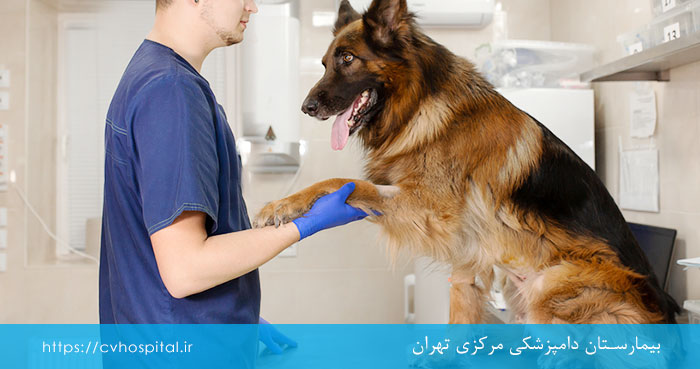
Radiography and Its Results
As per standard principles and protocols, the dog was referred to the radiology department for radiographic imaging. After conducting radiography in dogs, a lesion was observed in the distal part of the forearm bone, which raised two initial concerns. The first concern was bone inflammation and infection. Given the age, breed, and location of the lesion, the second concern leaned towards neoplasia. For a more accurate diagnosis, a biopsy of the affected area was performed, and in the interim while waiting for the laboratory results, initial treatment for infection was initiated.
Progress of the Lesion and Final Diagnosis
After a week, a follow-up radiology was conducted, revealing that the lesion not only had not improved but had progressed in some areas. This indicated that the infection treatment was ineffective and the condition of the bone lesion had worsened. Finally, the laboratory result indicated that the dog was facing a malignant tumor, the most common of which in dogs is osteosarcoma. Thus, the case that presented with symptoms of limping, with initial suspicion of trauma, fracture, and contusion, ultimately was diagnosed with bone cancer after a thorough examination and radiography. 
Management and Treatment
With the final diagnosis of osteosarcoma, the dog was referred to the surgical department for necessary management and treatment of the tumor. This includes surgery to remove the tumor and any other adjunctive treatments such as chemotherapy. Note: Post-surgical follow-up and care are crucial. This includes regular examinations to ensure the tumor does not recur and management of any treatment side effects. Additionally, palliative measures to reduce pain and improve the animal’s quality of life will be implemented.
Conclusion
Visiting a veterinarian with symptoms such as limping can stem from various issues and requires thorough and comprehensive examinations. The case study of the 7-year-old German dog illustrates how correct diagnosis and management can lead to the identification of serious issues such as malignant tumors. Attention and precision in initial examinations and performing necessary tests are key to successful timely diagnosis and treatment. Veterinarians at the Central Veterinary Hospital, by conducting detailed examinations and using appropriate diagnostic tools, can help improve the quality of life for animals and prevent more serious problems.