







Diabetes is one of the common diseases in dogs and cats. This disease is caused by a deficiency of insulin hormone, which leads to abnormally high blood sugar levels. This condition can lead to serious health problems for the animal. In this article, we will explore the causes, diagnosis, and management methods of diabetes in dogs and cats.
Causes of Diabetes in Dogs and Cats
1. Genetic and Congenital Factors: Genetic and congenital factors play a significant role in the occurrence of diabetes in dogs and cats. Although these animals are not born with diabetes, they inherit conditions that may lead to diabetes in adulthood. Pancreatic problems are one of these reasons. 2. Improper Medication: The incorrect use of medications can also be one of the causes of diabetes in dogs and cats. Some medications may have negative effects on the pancreas and lead to the development of diabetes..
Differences of Diabetes in Dogs and Cats
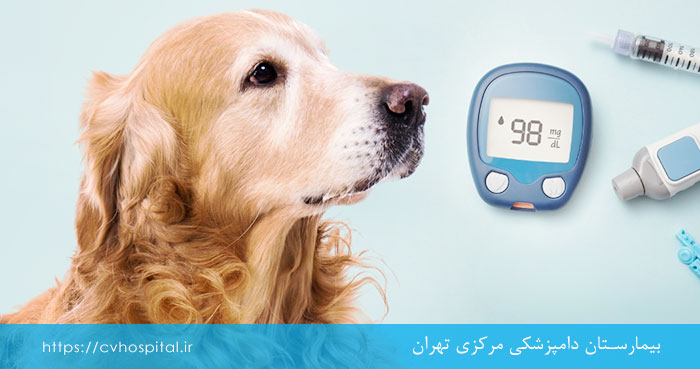
Diabetes in dogs, like in humans, is a chronic disease, and these animals require treatment for life. Management of diabetes in dogs includes the use of insulin and careful dietary control. Diabetes in cats may stem from pancreatitis and related complications with the pancreas. In some cases, with the improvement of pancreatitis in cats, their diabetes also improves, and there is no need for permanent treatment.
Methods of Managing Diabetes in Animals through Nutrition
Feeding Diabetic Dogs: Commercial diabetic diets for dogs are suggested as the first recommendation. If homemade foods are used, the amount of protein is reduced, and fiber-containing ingredients are increased. These ingredients help control blood sugar levels. Feeding Diabetic Cats: In cats, the carbohydrate content should be very low, while protein content should be high. This type of diet helps reduce blood sugar levels, but it may exacerbate kidney diseases in cats. Therefore, diabetic or renal food should also be used for cats.

Symptoms of Diabetes in Pets
Symptoms such as excessive drinking and urination are the first signs that can arouse suspicion of diabetes in dogs and cats. These symptoms may appear at a young age, such as one year old, or in middle age. Another symptom of diabetes in dogs and cats is severe weight loss over a short period. Note: These symptoms are usually accompanied by increased urination and thirst, and urine may become colorless.
Diagnosis of Diabetes in Dogs and Cats
- Blood Test: A blood test is conducted to diagnose diabetes. This test measures blood sugar levels, and if the blood sugar is high, we suspect diabetes.
- Urinalysis: In addition to a blood test, urinalysis is also performed to assess kidney function. This is particularly important in cats, as the blood sugar in these animals can greatly increase due to stress.

Treatment of Diabetes in Dogs and Cats
- Use of Insulin: The treatment of diabetes in dogs and cats is based on the appropriate and accurate use of insulin. Insulin helps to control blood sugar levels and allows the animals to return to normal life.
- Oral Medications: Oral hypoglycemic agents are less commonly used in dogs and cats than in humans. Therefore, the core treatment is based on using insulin and proper diet.
Final Thoughts
Diabetes is a serious and chronic disease in dogs and cats that requires prompt diagnosis and careful management. Various factors such as genetic factors, improper medication, and pancreatic problems can lead to the onset of diabetes. Timely diagnosis and appropriate use of insulin and proper dietary management can help improve the quality of life for these animals. Careful and consistent monitoring of pets can prevent the occurrence of more serious issues and restore them to a healthy life. For more information regarding diabetes in dogs or cats, please contact the numbers listed on the website.