


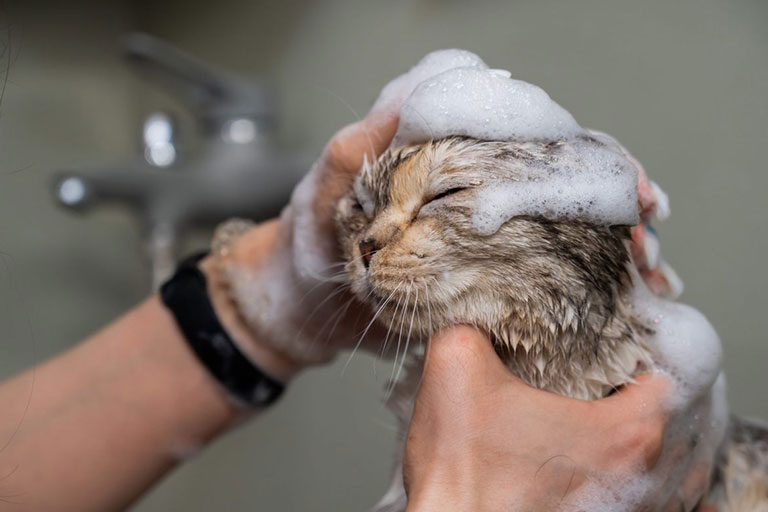

Why should I bathe my pet? Regular bathing of dogs and cats helps maintain basic hygiene and cleanliness. Washing the skin and fur removes everything from dirt and filth (for example, the odd smell a dog gets from rolling in the grass) to allergens, bacteria, and parasites. Bathing also removes dead hair and hydrates and nourishes the skin and fur, giving your pet more comfort and reducing itching. Unlike dogs, cats clean themselves meticulously and require less bathing. However, you may need to bathe your cat if it suffers from a skin condition (such as dermatitis or fungus) or cannot clean itself properly due to debilitating arthritis, weakness, or obesity.
How often should you bathe your pet?
The frequency of bathing depends on the species, breed, hair length, and lifestyle of your pet. Generally, medium to long-haired dogs should be bathed every four to six weeks, while short-haired breeds can go months without a bath. Some cats can live their entire lives without a formal bath, while some long-haired breeds (like Persians) require regular grooming. Pet owners whose animals require medicinal baths should follow their veterinarian’s instructions. Older, incontinent, or disabled animals may need daily spot baths.
Supplies needed for washing dogs and cats
Professional grooming services can easily ensure your pet is adequately cleaned, but if they only need a bath, you can do this yourself at home. Here are the supplies and facilities you will need:
- Safe area: While larger dogs can be bathed outside in a kiddie pool or indoors in a accessible shower, a sink or tub with warm water is best for small dogs and cats.
- Ensure that your pet cannot escape and bathe cats only indoors.
- Use lukewarm to warm water.
- Non-slip floor or mat: Standing on a shower mat or textured surface can give your pet a sense of security and reduce anxiety.
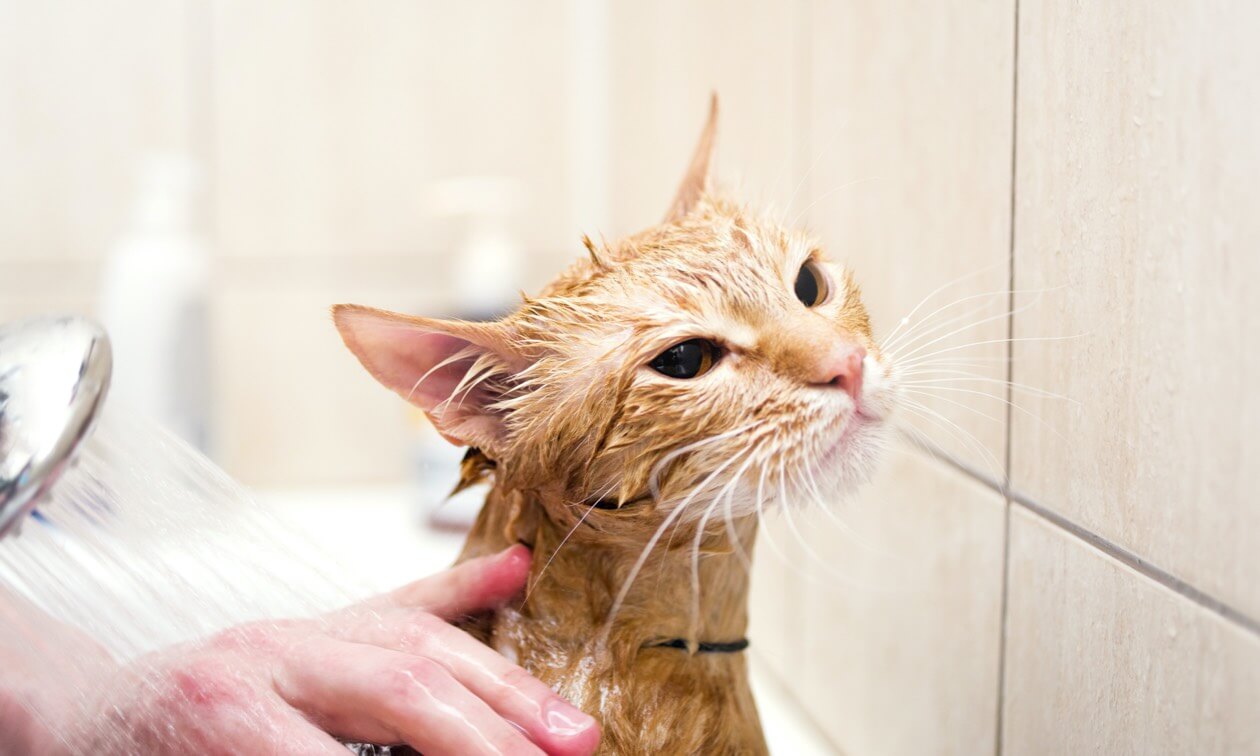
- Shampoo and conditioner: Prepare all your supplies before bringing your pet in. If your veterinarian has prescribed a medicinal product, follow the label instructions.
- Water sprayer or pitcher: Larger dogs may be comfortable with a garden sprayer and hose, but high-pressure water can be painful or frightening for smaller or timid breeds. Use a pitcher for small or anxious pets.
- Cotton and ear cleaner: Place cotton in each of your pet’s ears to prevent water from entering during the bath. Remember to remove them afterward.
- Leash: If you are worried that your pet might try to escape, secure them with a grooming loop or strap around their shoulder and under one arm (like a seat belt). Never place the loop around your pet’s neck or leave them unattended.
- Towels and dryer (optional)
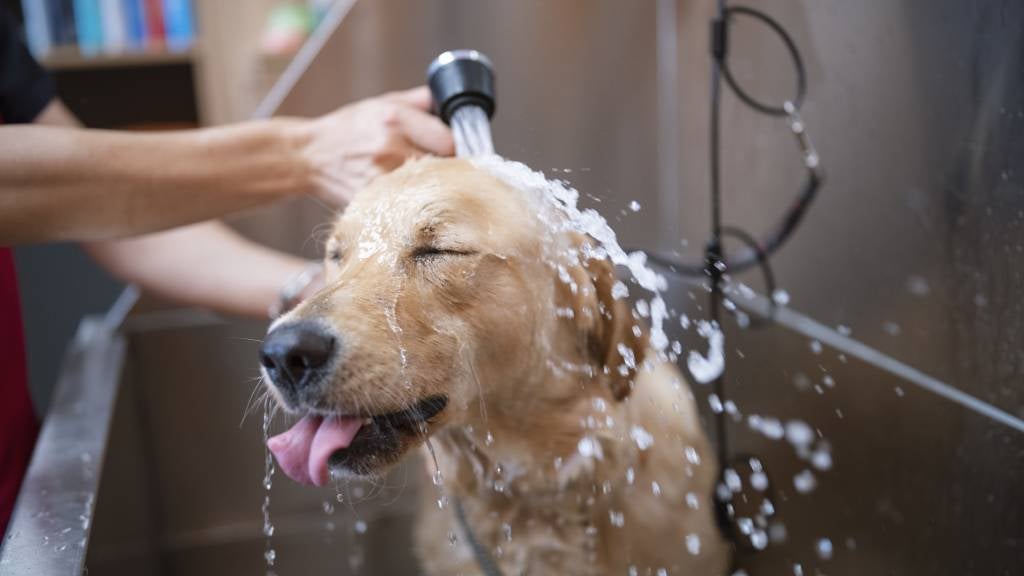
How to keep your pet calm during the bath?
Exercise your pet before bath time. Walk your dog or play with your cat and give them some attention. If your pet is anxious or scared, try calming pheromone products. Alternatively, keep them occupied with a tasty treat.
Proper method for bathing dogs and cats
Once you have everything prepared and brought your pet to the bathing area, follow these steps:
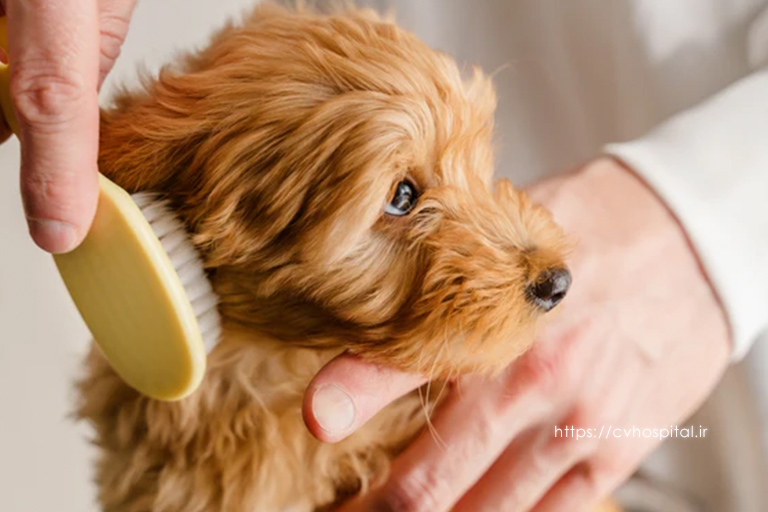
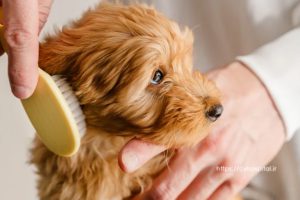
- Brush your pet’s fur. Brushing removes dead hair and eliminates knots and tangles that can tighten with washing and drying.
- Keep the ears dry and place a cotton ball in each ear canal.
- Wet the coat; saturate your pet’s coat with lukewarm water, starting from the shoulders and moving towards the tail. Use a cloth to clean the face and muzzle.
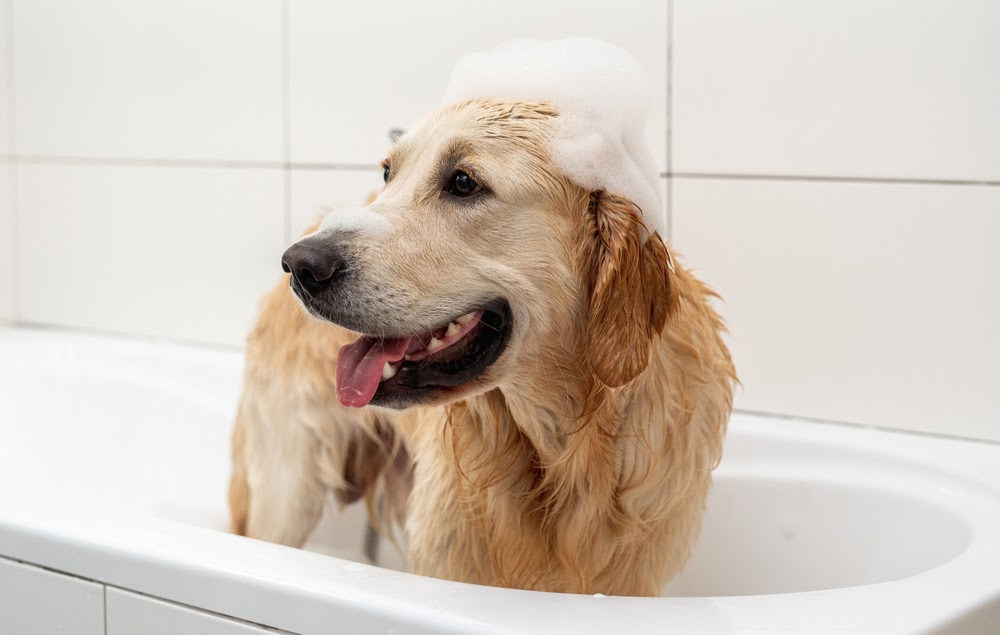
- Shampoo; follow application instructions, including any dilution or wait times, and lather your pet’s coat from neck down.
- Rinse well; improper rinsing can lead to dermatitis and itching, so rinse thoroughly.
- Conditioner; if you are using conditioner, remove excess water from your pet’s coat and apply per instructions, including any wait times, to ensure it is properly moisturized.
- Rinse again; unless you are using a leave-on product, rinse until the water runs clear.
- Check the ears; remove the cotton and gently clean your pet’s ears with a veterinarian-recommended cleaner that includes a drying agent.
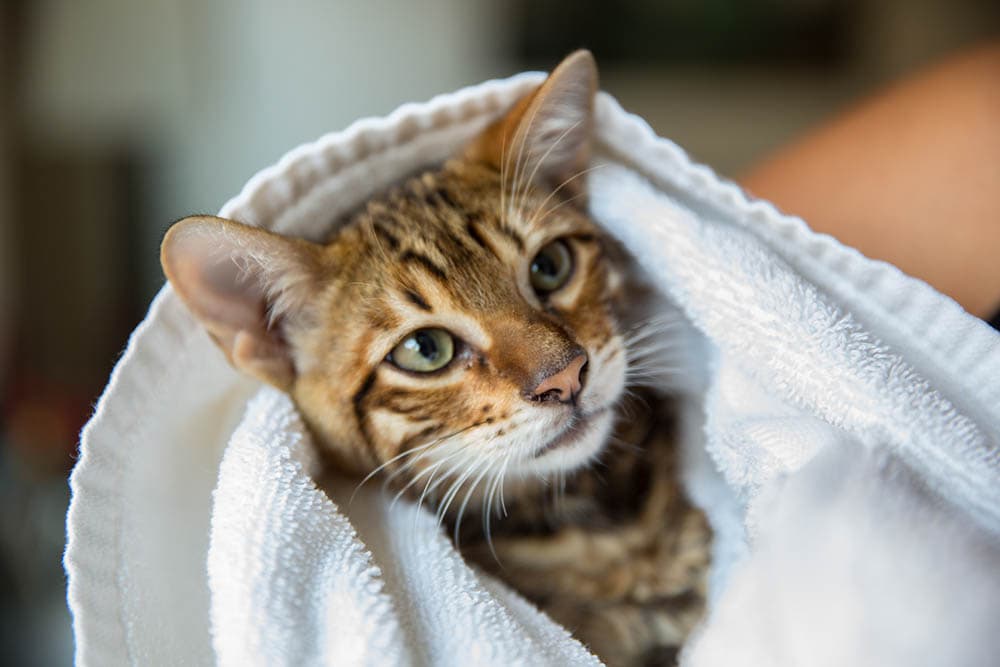
How to dry your pet?
Proper drying is key to preventing irritation and dermatitis. Use towels to remove moisture from your pet’s coat. If it’s warm outside, walk your dog and let the air dry them. If your pet is comfortable, use a hair dryer on a low and cool setting. Gently brush the pet to ensure their fur is tangle-free. Central Veterinary Hospital also offers grooming services (pet washing) in addition to healthcare services. For more information about these services, contact the numbers listed on the website. Source: <a