







Zoonotic diseases, which are common between humans and animals, pose significant risks to human health, especially in relation to monkeys. Monkeys can carry viruses, bacteria, and microorganisms that can lead to severe diseases in humans. There are common diseases that monkeys can transmit to humans. In this article from the Central Veterinary Hospital, we aim to discuss the common diseases between humans and monkeys and outline their risks and transmission methods. 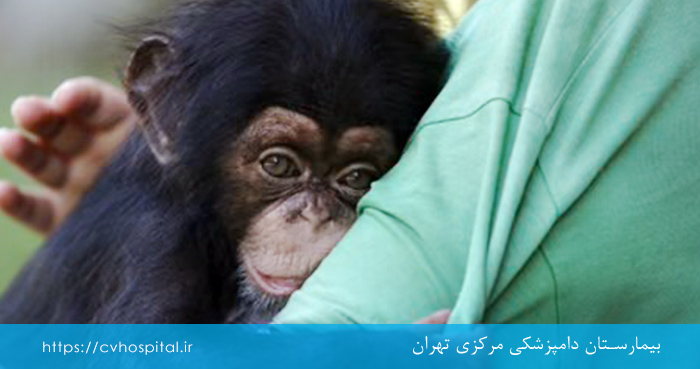
Are there common diseases between humans and monkeys?
The answer to this question is certainly yes. Humans and monkeys share similarities in biological characteristics and have many similar pathogens. In some cultures, there is a mistaken belief in the existence of “disease that makes humans resemble monkeys.” Monkeys, whether in the wild or bred in captivity, can carry viruses and bacteria that can lead to severe and dangerous diseases in humans. These diseases often transmit through bites, scratches, contact with saliva, nasal secretions, or feces.
Most people judge monkeys based on fictional cartoon characters. However, monkeys are very unhygienic creatures that may attack humans without warning. Any pathogens present in their gut or blood can soon spread to all family members. Therefore, it is said that monkeys are not suitable animals to keep. For more information, you can read the article 4 categories of animals that are not suitable to keep at home. 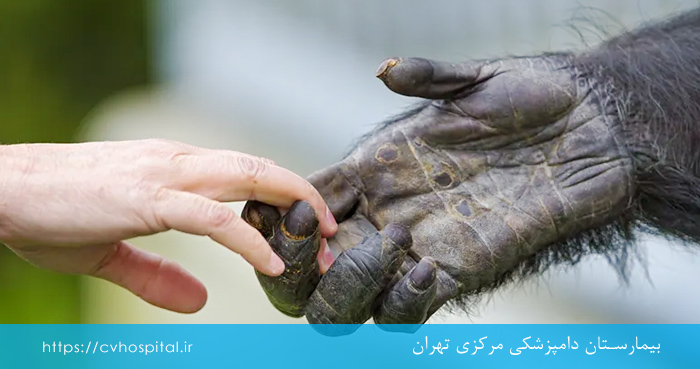
Diseases transmissible from monkeys to humans
Next, we will examine the common diseases between humans and monkeys and their transmission methods.
Herpes B Virus (Monkey Herpes Virus)
Herpes B virus (Cercopithecine herpesvirus) is one of the dangerous infections and diseases that can be transmitted from monkeys to humans. This disease is usually asymptomatic or mild in monkeys, but in humans, it can cause a severe and even fatal illness called encephalitis (inflammation of the brain). Bites, scratches, or contact with the saliva, nasal, and eye secretions of infected monkeys are the transmission routes for monkey herpes virus.
Tuberculosis
Tuberculosis is another common disease between humans and monkeys that can cause pulmonary or systemic infection in humans. Contact with respiratory secretions (sneezing or coughing) or close contact with monkeys are methods of transmission for this disease.
Viral Hepatitis
Monkeys can carry hepatitis viruses (such as hepatitis A, B, and E). These viruses are transmitted to humans through contact with the feces or contaminated materials associated with monkeys. Hepatitis is more commonly seen in wild monkeys or unhygienic environments.
Bacterial Infections
Monkeys can carry bacteria such as Shigella, Salmonella, or Campylobacter in their intestines. These bacteria may be transmitted to humans through contact with feces or contaminated environments, causing severe diarrhea or food poisoning in humans. Pet monkeys can easily transmit these bacteria due to their proximity to humans.
SIV Virus
Simian immunodeficiency virus (SIV) is a retrovirus that infects non-human primates such as chimpanzees and African monkeys. This virus is a probable origin of the HIV virus in humans, which is transmitted through contact with the blood or meat of infected primates. SIV also falls under the category of common diseases between humans and monkeys and can be transmitted to humans through contact with the blood of infected monkeys or raw meat. 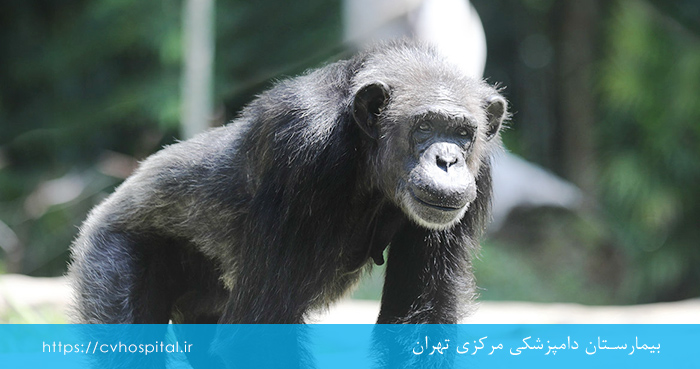
Yellow Fever
Yellow fever, or black vomit, is a viral disease common between humans and non-human primates (such as monkeys) caused by the yellow fever virus. This disease is transmitted through infected mosquito bites. Symptoms of yellow fever include fever, headache, nausea, muscle pain, high fever, jaundice, and bleeding, making it one of the deadly transmissible diseases from monkeys to humans.
Ebola
Ebola disease is one of the deadliest common diseases between humans and monkeys, caused by the Ebola virus. This disease is transmitted through direct contact with the blood, body fluids, or tissues of infected animals (such as monkeys or fruit bats). Severe symptoms of this disease include high fever, headache, muscle pain, weakness, and sore throat, with more severe cases exhibiting vomiting, diarrhea, and internal bleeding.
Monkeypox
Monkeypox is a disease similar to smallpox caused by the monkeypox virus. This disease is common among humans and animals (such as monkeys and rodents) and is transmitted through direct contact with skin lesions, body fluids, contaminated objects, or occasionally respiratory droplets. Monkeypox causes flu-like symptoms such as fever and chills and skin rashes, which may take weeks to resolve. There is no proven treatment for monkeypox, but vaccination against smallpox is recommended for prevention.
Rabies
Rabies in monkeys is a dangerous viral disease caused by the rabies virus. Monkey rabies can be transmitted to humans or other animals through bites, scratches, or contact with the saliva of an infected monkey. In fact, if a rabid monkey bites a human and its saliva reaches an open wound, the rabies virus can be transmitted. 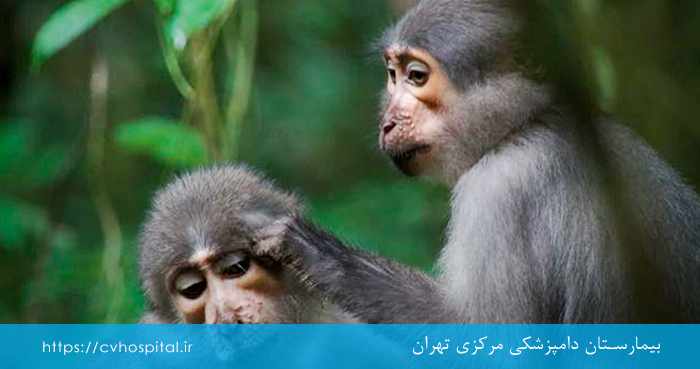
Quick Review
Some diseases are common between humans and monkeys. These diseases include infectious diseases caused by viruses, bacteria, and parasites that can be very dangerous for humans and threaten their health. Vaccination, increasing public awareness, protecting natural habitats, avoiding keeping monkeys as pets, and reducing risky contacts with monkeys are essential to prevent the transmission of common diseases between humans and monkeys.
In this article from the Central Veterinary Hospital, we introduced common diseases between monkeys and humans and discussed their symptoms and transmission. If you have any questions or concerns in this regard, you can contact the numbers listed on the website for further guidance.
Frequently Asked Questions
If I come into contact with a monkey at the zoo, will I get sick? Normal contact with monkeys in a zoo usually does not pose a risk to humans, as zoos have strict health protocols. However, in the case of direct contact or bites, zoonotic diseases may be transmitted.
Can the HIV virus be transmitted from monkeys to humans? Yes, the HIV virus can be transmitted from monkeys to humans, especially through contact with the blood or body fluids of infected monkeys, such as chimpanzees, which are a probable source of the virus. Can we keep monkeys as pets? No. Keeping monkeys as pets is not recommended due to the risk of transmitting dangerous diseases, as well as their complex biological and behavioral needs.
Sources: vetspace.2ndchance.info pmc.ncbi farvardinlab.com britannica.com who.int my.clevelandclinic.org