





Upper respiratory tract infections in cats, such as colds, are common issues that can cause symptoms similar to those of human colds, including sneezing, coughing, nasal discharge, and mild fever. This illness is often caused by viruses or bacteria, and cats with weak immune systems are more susceptible to it. Cat colds are typically transmitted through contact with sick cats or contaminated environments. This article will review symptoms, causes, and care methods for sick cats to help cat owners take the best actions for their pets’ health.
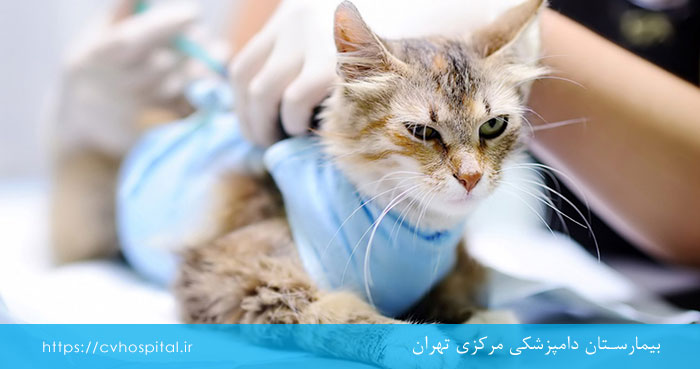
How do cats catch colds?
Cat colds are mostly transmitted through infections. Animals that spend most of their time outdoors and may come into contact with other sick cats are more affected, as well as indoor cats living in confined spaces with other cats.
Cats catch colds when their immune systems are weakened. Immune deficiencies can be hereditary or caused by stress, malnutrition, lack of maternal milk, toxins, or serious diseases like cancer. In these situations, the body cannot fend off cold viruses.
Preventing colds in cats
To prevent cats and kittens from catching colds, you should:
- Vaccinate with the 3-in-1 cat vaccine on time.
- Pay attention to your cat’s overall health and provide nutritious, balanced food.
- Keep your cat away from sick cats and contaminated environments.
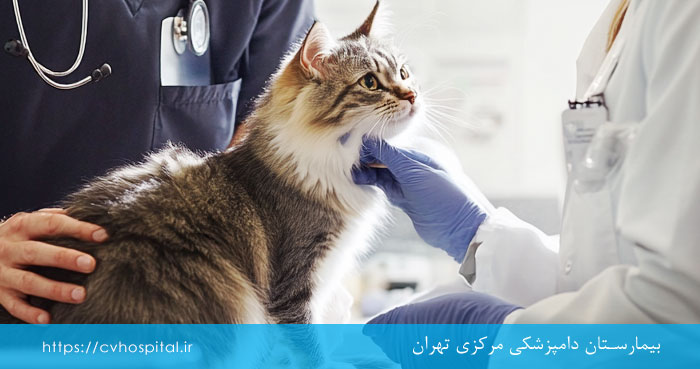
Symptoms of colds in cats
The symptoms of a cold in a cat include:
- Coughing
- Sneezing
- Nasal discharge
- Nasal congestion
- Red, swollen, or watery eyes
- Mild fever
- Sores on the lips, tongue, nose, or mouth
- Fatigue
- Loss of appetite
- Increased need for rest and warmth
- Coughing
- Increased salivation
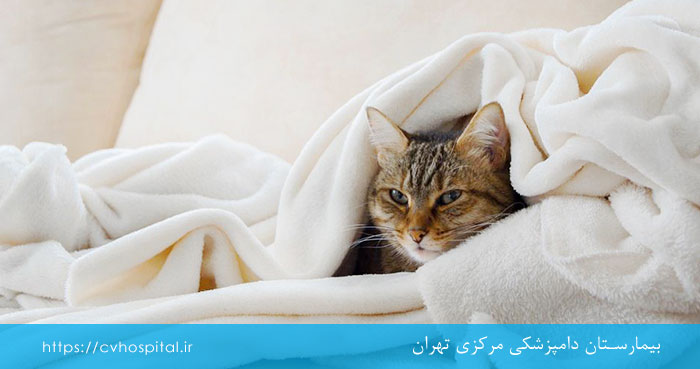
How to care for a sick cat?
To help your furry friend recover, you should provide a warm and comfortable environment and encourage them to rest a lot. Gently clean their nose and eyes with a soft, warm, and damp cloth. Using a humidifier (without essential oils) can help reduce nasal congestion and irritation in the respiratory tract. Note: To boost the immune system, you can give your cat dietary supplements containing important nutrients and vitamins with your veterinarian’s advice. With your loving care, your pet cat should improve within a few days.
Monitor the cat’s eating and drinking
Depending on the severity of the illness, cats with colds typically eat and drink less because they have trouble with their sense of smell and taste. Try to find out what type of wet food your cat still likes and warm it up before serving it. You should ensure that your cat is still eating. You can add some water to the sick cat’s food to prevent dehydration.
Visiting the veterinarian for cold treatment in cats
Cats with colds usually recover in a short time (about 5 to 10 days). Monitor your cat’s health and overall condition closely. If you do not see any improvement within a few days or if their condition worsens, you should see a veterinarian. Your cat may be suffering from a more serious illness like pneumonia. So pay attention to the following warning signs:
- Your cat has not eaten for more than 24 hours.
- Your cat is dehydrated and is no longer drinking or not drinking enough.
- There is green or yellow discharge from their nose.
- They are having breathing problems.
- Your cat is vomiting or has diarrhea lasting more than 24 hours.
- Your cat is no longer responding to you.
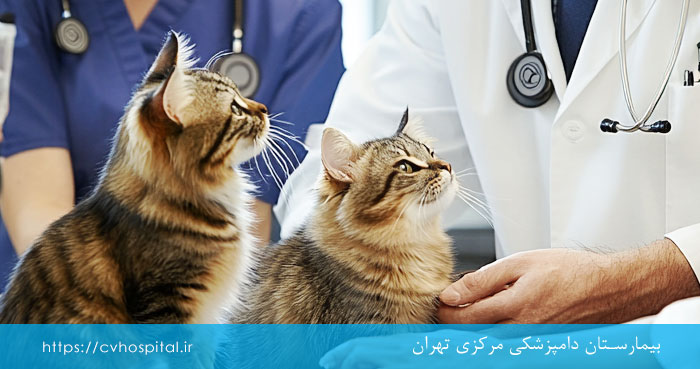
A very important warning: never use human medications to treat a cat’s cold. Cold medicine for cats should only be prescribed by a veterinarian if necessary.
A quick review
Colds in cats are a common upper respiratory issue caused by viruses or bacteria. Symptoms of cat colds usually include sneezing, coughing, nasal discharge, nasal congestion, and mild fever. Cats are easily affected by this illness due to a weakened immune system. This weakness may be due to stress, malnutrition, or serious diseases. Because cats usually live in closed environments or are in contact with sick cats, the likelihood of contracting colds increases. Therefore, to care for a sick cat, you should provide a warm and comfortable environment and use humidifiers and natural care to alleviate symptoms. Treating colds in cats requires special attention to symptoms and the overall condition of the cat. Paying attention to nutritional status and preventing dehydration is very important. Cats generally eat and drink less during this period; therefore, it is essential to provide them with moist and tasty food. If symptoms persist for more than a few days or if the cat’s condition worsens, visiting a veterinarian is crucial. Additionally, human medications should be kept away from cats, as they may be dangerous for them. Preventing cat colds can also be achieved by strengthening their immune system and limiting their contact with sick cats.
If your cat has a cold, take good care of them, and if there’s no improvement in a few days, be sure to take them for an examination.
Veterinary Hospital Central Please bring.
Frequently Asked Questions Does contact with sick cats transmit a cold to humans? No, colds do not transfer from cats to humans and from humans to cats.
Is a cat’s cold contagious to other cats? Yes, cat colds are contagious and transmissible.
Is a cat’s cold transmitted to dogs? No, colds do not transfer from cats to dogs or from dogs to cats.
Should we see a veterinarian for a cat’s cold? If cold symptoms in a household cat last more than a few days or worsen, you should see a veterinarian. Also, if the cat does not eat, has diarrhea or vomiting, or respiratory issues, seek veterinary care immediately.
Can we use human medications to treat a cat’s cold? Never use human medications to treat a cat’s cold. Cat-specific medications must be prescribed by a veterinarian.
What are home remedies for a cat’s cold? Rest and drinking plenty of water are the most important home remedies for household cats with colds.
Is fever seen in sick cats? Yes, fever is a symptom of a cold but its severity varies; if the illness is mild, the cat’s fever may be imperceptible.
What can be done to prevent colds in cats? Cats with strong immune systems are more resistant to viruses and bacteria, so taking care of the cat’s overall health is one way to prevent it from catching a cold.
Are vitamins beneficial for boosting the immune system of a sick cat? Any medications should be taken under a veterinarian’s guidance.
Is it possible to treat a cat’s cold naturally without medication? Sometimes mild colds in cats resolve without medication and just with rest. However, if natural treatment does not work, you should take the cat to a veterinarian.
Source: four-paws