



Some times, dogs and cats are unable to have a natural birth. In such cases, the veterinarian has no choice but to perform a cesarean section to deliver the puppies. Cesarean section, or surgical delivery, refers to the process during which the puppies or newborn animals are extracted from the mother’s body through an incision made in the abdominal wall and uterus. This method is performed in veterinary medicine under specific conditions where natural birth is not possible or poses risks to the mother and the newborns.
Reasons for Performing Cesarean Section in Animals
The cesarean section may be performed in two ways: elective or emergency. Below, we will mention the common reasons for both cases.
Planned or Elective Cesarean Section
In some animals, especially breeds prone to dystocia, the veterinarian may decide that the delivery should be performed surgically and planned from the beginning. Breeds such as English Bulldog, Boston Terrier, Shih Tzu, and Pekingese often cannot have a natural birth due to the specific structure of the fetal skull (head larger than normal), the mother’s pelvis, or other breed characteristics. In these cases, typically, the exact time for performing the cesarean is chosen with the help of ultrasound and assessment of physiological signs to prevent potential risks for the mother and puppies. 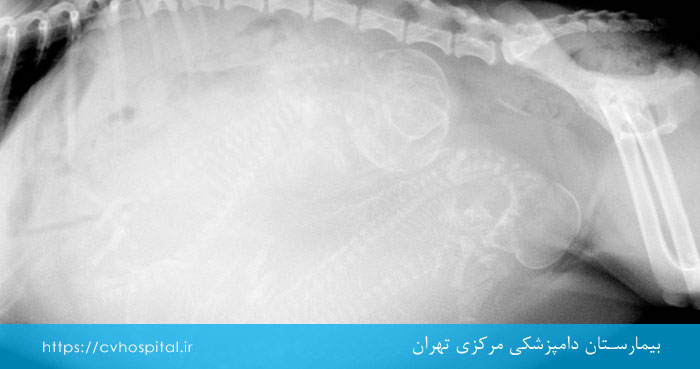
Emergency Cesarean Section
In many cases, the cesarean section is performed as an emergency; that is, in circumstances where natural delivery has begun but, for various reasons, it cannot continue or may pose a danger to the mother or the fetuses. Some common reasons for performing an emergency cesarean include:
A) Dystocia One of the most common reasons for performing a cesarean in animals is dystocia or difficulty in the birthing process. In this situation, the mother animal – such as a dog or cat – is unable to give birth naturally due to reasons such as incorrect fetal positioning or excessive fetal size compared to the mother’s pelvis.
B) Pelvic Abnormalities In some animals, especially those that have previously suffered from pelvic fractures or have congenital skeletal deformities in the pelvic region, natural birth is not possible. This condition also requires emergency cesarean delivery.
C) Fetal Distress Sometimes the reason for surgery relates not to the mother but to the fetuses. Signs such as decreased respiratory rate, dropped heart rate, or severely decreased amniotic fluids seen in ultrasound may indicate fetal distress, prompting the surgeon to make an urgent decision for a cesarean section. D) Uterine Disorders and Inadequate Contractions Another less common but significant reason is a disruption in uterine function. In this case, despite the onset of labor pains, the mother is not able to produce sufficient contractions for the fetus to exit (known as “uterine inertia”). Conditions such as uterine rupture or underlying maternal diseases (like fever, kidney failure, or pregnancy toxemia) can also create an emergency situation.
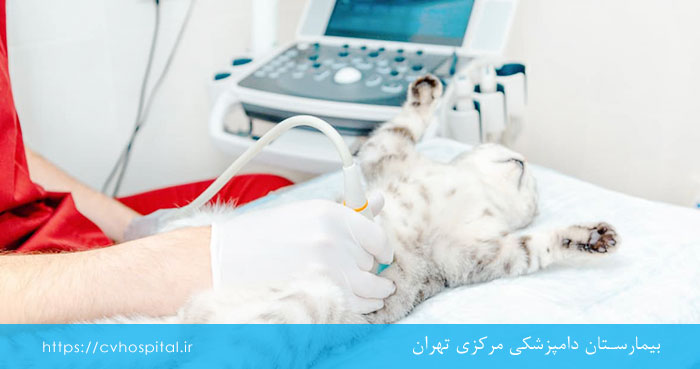
Determining the Right Time for Cesarean in Dogs and Cats
One of the most critical factors in the success of a cesarean is determining the appropriate time to perform the surgery. This task falls to the surgical veterinarian, who selects the best possible time for intervention based on the mother’s physiological condition, the signs of labor, and the assessment of the fetuses’ health. It is essential to note that the appropriate time for cesarean may vary from one animal to another, depending on breed, number of fetuses, and the general health status of the mother.
Post-Cesarean Care for Pets
After the surgery is completed, another crucial stage begins, playing a vital role in the health of both the mother and the puppies. Post-cesarean care includes:
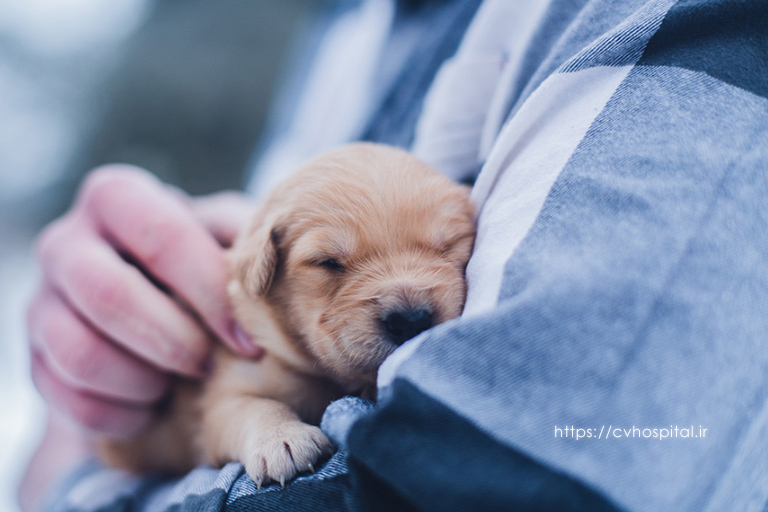
Care for the Newborns
- Respiratory Resuscitation of the Newborns: Some puppies may not breathe effectively immediately after birth. In these situations, the medical team should quickly take action to stimulate breathing, clear the airways, and, if necessary, provide oxygen.
- Monitoring Heart Rate and Body Temperature: Puppies are highly vulnerable to temperature drop after birth. Using heating devices and controlling the environment’s temperature is essential.
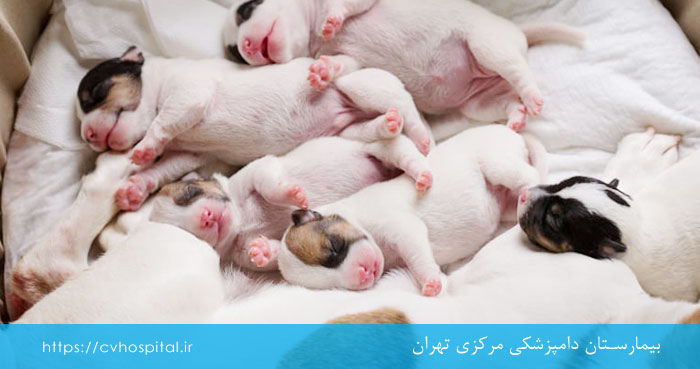
- Ensuring Start of Nursing: Usually, the mother is capable of nursing even after surgery. It should be ensured that the puppies can suckle and receive the first milk (colostrum).
Care for the Mother
- Intake of Antibiotics and Pain Medications: The mother typically requires medications for several days post-surgery to prevent infection and control pain.
- Monitoring the Surgical Wound: The suture site should be regularly checked to prevent infection, bleeding, or reopening of the stitches.
- Emotional Support and Proper Nutrition: After surgery, the mother needs adequate nutrition, a calm environment, and emotional care to take proper care of her puppies.
Conclusion
Cesarean sections in pets are one of the vital and lifesaving interventions in veterinary medicine, used in specific conditions. This surgery, if performed at the right time by a skilled veterinarian, can save the lives of both mother and puppies. However, it should be noted that preventing conditions that lead to cesarean through regular monitoring during pregnancy, proper nutrition, and ultrasound examinations is the primary priority in managing pet pregnancies. Additionally, post-cesarean care for both the mother and the puppies is of great importance and plays a significant role in the success of this therapeutic intervention. For consultation or to book an appointment, please contact the numbers listed on the website. 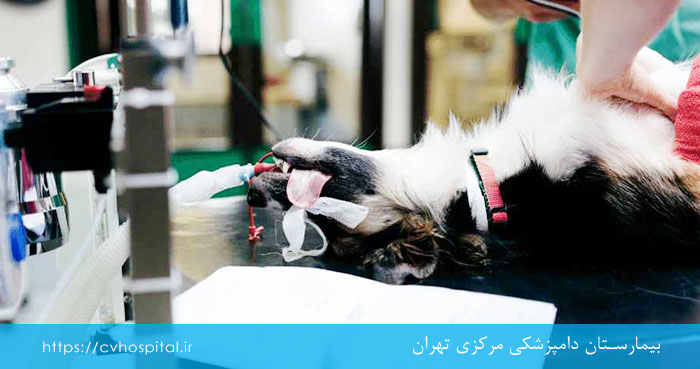
Frequently Asked Questions
Does cesarean section pose a risk to pets? Yes, like any other surgery, cesarean sections for cats and dogs carry risks. Some of these risks include infection at the surgery site, bleeding, reactions to anesthesia, and respiratory issues in the fetuses. However, if the surgery is performed at the right time by a skilled veterinarian, the likelihood of complications can be minimized.
How do I know if my animal needs a cesarean? Some signs indicating dystocia or an emergency situation include no delivery after several hours of strong contractions, abnormal discharge, severe maternal weakness, and the birth of an incomplete or stalled fetus. In these cases, the animal should be immediately taken to a veterinary center. Also, in breeds with a history of dystocia, the veterinarian may recommend an elective cesarean before a natural birth.
How long after a cesarean can the mother animal nurse her puppies? In most cases, the mother animal can nurse the puppies immediately after waking up and stabilizing vital signs. The medications used during the surgery are usually chosen at an appropriate dose to avoid harming the puppies. However, it is better to start nursing in the presence of a veterinarian to ensure the health of both parties.