





Asthma in cats (Feline Asthma) is a disease related to the lower airways of the lungs that affects between 1 to 5 percent of cats. Although there are differences in the definition of feline asthma, most veterinarians and researchers believe that this disease is the result of an allergic reaction to inhaled allergens; particles that irritate the cat’s immune system.
Understanding Feline Asthma
When a predisposed cat inhales an allergen for the first time, its body produces specific antibodies to recognize it. In subsequent exposures, these antibodies identify the allergen and initiate a chain of immune responses, leading to various immune cells moving towards the airways.
These cells then produce inflammatory substances that result in irritation, swelling, and reactive narrowing of the airways. As a result, the diameter of the airways decreases and mucus accumulates in the respiratory pathway. All these factors contribute to reduced airflow in the lungs, making it difficult for the cat to breathe. A question that may arise for cat caretakers is at what ages cats are more susceptible to asthma and whether breed and gender differences have any effect? In response, we must say that the average age of cats that develop asthma is between 4 to 5 years. No difference has been observed between males and females in the incidence of this disease, and although some studies have shown that Siamese cats may be more predisposed, this has not been definitively proven.
Causes of Asthma in Cats
The main cause of asthma in cats is inflammation and narrowing of the airways in the lungs. This condition is usually triggered by reactions to allergens such as pollen, mold, or dust mites. Additionally, exposure to strong environmental irritants like cigarette smoke or chemical vapors can increase the risk of developing asthma (for more information, see the article effects of cigarette read about it). In some cases, a genetic predisposition also plays a role in the onset of this disease.
Symptoms of Asthma in Cats
Cats with asthma may exhibit the following symptoms:
- Shortness of breath
- Wheezing
- Rapid breathing
- Coughing or wheezing sounds
- Open-mouthed breathing
- Vomiting
The severity of these symptoms varies; ranging from severe respiratory attacks to mild, chronic coughs, increased breathing rate, or a need for more effort to breathe. These symptoms may appear suddenly or be triggered by gentle pressure on the throat area. During an asthma attack, many cats bend their bodies close to the ground and extend their necks forward.
Diagnosis of Asthma and Shortness of Breath in Cats
There is no specific and definitive test for diagnosing feline asthma. Veterinarians rely on collecting information and conducting several tests for diagnosis. If asthma is suspected, the veterinarian will review the cat’s health history, diagnostic imaging (such as X-rays), microscopic evaluation of respiratory secretions (cytology), and sometimes blood tests and allergy tests. In examining the lungs, X-rays, CT scans, and bronchoscopy are used to observe the internal condition. In cats with asthma, X-ray images often, though not always, show a branching pattern in the airways due to the accumulation of inflammatory cells. Additionally, trapped air in the narrowed airways may cause over-inflation of the lungs. Bronchoscopy for pets is a specialized procedure in which a flexible camera is inserted into the airways via the mouth. This procedure, which requires anesthesia or strong sedation, is used for direct observation of the airways and sampling of epithelial cells. Asthmatic cats typically have distinctive changes in the lining of the airways, although these changes may also be seen in other respiratory diseases.
In cell analysis, the presence of a high number of inflammatory cells is an indication of asthma, even though such cells can also be observed in other respiratory diseases. CT scans, which create three-dimensional images of the body, can be helpful in differentiating asthma from other lung diseases, but their application in veterinary medicine has not been fully developed yet. In the diagnostic process, it is very important to rule out other diseases with similar symptoms. Diseases such as chronic bronchitis, lung parasite infestations, migration of other parasites into the lungs, and other infectious diseases (such as pneumonia) can cause similar symptoms as feline asthma. Treating these diseases with medications that are not suitable for asthma can be dangerous.
How is Feline Asthma Treated?
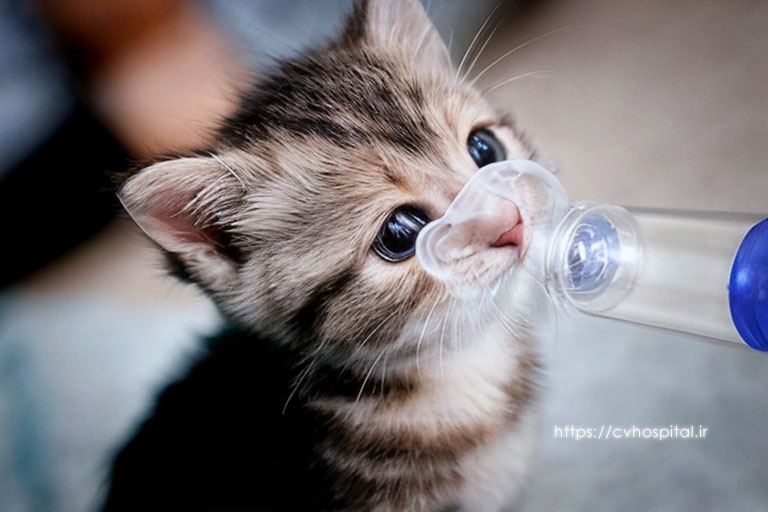
Treatment for feline asthma typically involves prescribing corticosteroids to reduce inflammation in the lungs and sometimes bronchodilators to open the airways. These medications are available in oral, inhaled, and injectable forms. While corticosteroids may be prescribed alone, bronchodilators are not usually used alone because they do not treat the underlying inflammatory cause of asthma.
Other asthma treatments and medications have not yet demonstrated definitive efficacy. Methods such as desensitization (similar to allergy shots in humans), the use of omega-3 fatty acids, and drugs that disrupt inflammatory pathways are still experimental and require further research. Some recommendations have also been inspired by asthma treatment in humans, such as indoor air purification and avoidance of allergens, but the effectiveness of these methods in cats has not been scientifically proven.
Prevention of Asthma and Shortness of Breath in Cats
Preventing asthma in cats is possible by adhering to a few simple yet important tips:
- Early identification of risk factors: If your cat has a genetic history of asthma or is sensitive to certain environmental triggers, keeping them away from these factors can help prevent the onset of the disease.
- Regular veterinary visits: Periodic check-ups help identify and treat respiratory diseases in their early stages, preventing them from progressing to asthma.
- Proper diet for cat asthma and weight control: A balanced diet and preventing obesity play a crucial role in your cat’s respiratory health.
- Environmental health care: Keeping your cat’s living environment clean and using hypoallergenic cleaners can reduce allergens and prevent respiratory irritation.
A quick review
Cat asthma is a chronic inflammatory disease related to the lower airways of the lungs, usually caused by an allergic reaction to inhaled allergens such as pollen, mold, or dust. This condition leads to narrowing and inflammation of the airways and mucus secretion, making breathing difficult. Symptoms include coughing, wheezing, rapid breathing, and sometimes vomiting. Diagnosing asthma requires reviewing clinical history, radiography of the head and neck cat, respiratory tests, and sometimes bronchoscopy, and it must be differentiated from other similar diseases. Treatment usually includes corticosteroids to control inflammation and bronchodilators to open the airways. Preventive measures include avoiding allergens, environmental care, proper nutrition, and regular veterinary check-ups.
Although there is no definitive cure for this condition, by closely monitoring the respiratory status of the cat, paying attention to coughing, and using medication in a timely manner, owners can create conditions for asthmatic cats to live comfortably and happily for years. For more information and to make an appointment, please call the numbers listed on the website and seek guidance from our colleagues at the central veterinary hospital regarding the asthma treatment process.

Frequently Asked Questions
Is asthma dangerous in cats? Yes, in severe cases it can threaten the cat’s life. Acute asthma attacks can cause severe shortness of breath and reduced oxygen supply, requiring urgent treatment.
Is there a cure for cat asthma? There is no definitive cure for asthma, but with anti-inflammatory medications (such as corticosteroids) and bronchodilators, symptoms can be controlled and the cat’s quality of life can be improved.
How can I tell if my cat has asthma or another respiratory issue? Accurate diagnosis can only be made by a veterinarian. If your cat is experiencing frequent coughing, wheezing, or difficulty breathing, you should consult a veterinarian and conduct tests such as radiography or examination of respiratory secretions.
Source: vet