






The Human Immunodeficiency Virus (HIV) has become one of the most challenging health issues in the world over the past few decades. You might know that the AIDS virus is transmitted through methods such as blood contact, sharing needles, contact with body fluids, unprotected sexual relations, and from mother to fetus. Given the role of mosquitoes in spreading diseases like malaria and dengue fever, many people wonder whether mosquitoes can transmit the AIDS virus. In this article from the Central Veterinary Hospital, we will examine the transmission of AIDS by mosquitoes.
Transmission of Diseases by Mosquitoes
Mosquitoes are among the most significant carriers of infectious diseases worldwide and can transmit several dangerous diseases through their bites. Research has shown that mosquitoes can carry viruses such as the dengue virus, the plasmodium parasite, and the Zika virus, thereby transmitting dengue fever, malaria, and Zika to humans, respectively. Therefore, a large number of people believe that mosquitoes can also transmit the HIV virus and spread AIDS.
- Read more: You can read the article on leishmaniasis, which is transmitted by a sandfly.

Can Mosquitoes Also Transmit the AIDS Virus?
No! Contrary to misconceptions, mosquitoes cannot transmit the HIV (AIDS) virus. The transmission of diseases by mosquitoes is a very complex process. If a mosquito ingests blood infected with HIV, the virus is digested like food and is destroyed along with the blood consumed. Additionally, if a mosquito continues to feed on an uninfected person after sucking a small amount of blood from an HIV-positive individual, the number of viral particles transmitted would not be sufficient to cause a new infection.
On the other hand, if a mosquito filled with HIV-infected blood is crushed on the skin, the amount of virus transferred would not be sufficient to cause an infection. Viral diseases transmitted by insects usually create very high levels of virus or parasites in the blood. However, the level of HIV in human blood is so low that it primarily uses HIV antibodies for detection. Unfortunately, there are many rumors and misconceptions about the transmission of HIV by mosquitoes that lead to unnecessary concerns in the community. Nevertheless, based on scientific evidence and biological mechanisms, we can definitively state that mosquitoes cannot transmit the HIV virus.
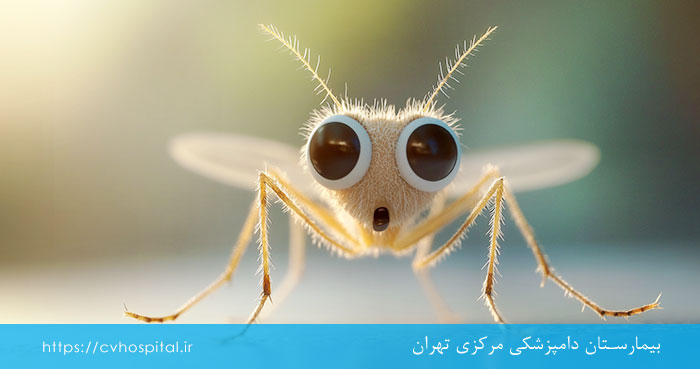
Why Can’t Mosquitoes Transmit HIV to Humans?
Even if a mosquito initially bites a person infected with the HIV virus and then immediately targets another person, the possibility of transmitting this virus still does not exist. This goes against the belief of many people who think a mosquito can transfer the virus from one person to another like a contaminated syringe. However, this belief is incorrect and does not align with the biological structure of the mosquito’s body and the nature of the HIV virus. Below are the reasons for the non-transmission of HIV by mosquitoes:
HIV Does Not Affect Mosquitoes
The HIV virus attaches to receptors on the surface of immune cells. This virus can penetrate these cells, multiply, and spread. Mosquitoes lack the receptors that HIV needs to identify immune cells. For this reason, mosquitoes cannot become infected with the HIV virus, and the virus is digested in the mosquito’s stomach. 
The Feeding Mechanism of Mosquitoes
The mosquito’s proboscis (the elongated mouth part used for biting) has two tubes: one tube for sucking blood from humans and the other for injecting saliva into the bite area. When a mosquito bites, only saliva (not blood) enters your body. On the other hand, the HIV virus is not transmitted through saliva, making its transmission by mosquito bites impossible.
Need for a Large Number of Bites
HIV is not easily transmitted, and a significant amount of the virus is required to infect a person. Even if some HIV remains in the mosquito’s body (before complete digestion), the amount during biting will not be enough for transmission to humans. Therefore, the possibility of transmitting this virus to humans does not exist. 
Summary
Mosquitoes can transmit many diseases like malaria, but fortunately, HIV is not one of them. Therefore, in answer to the question of whether mosquitoes can be carriers of the AIDS virus, we must say no. They cannot become infected with HIV, as they lack the cellular receptors needed for the HIV virus to attach to. In this article from the Central Veterinary Hospital, we examined the possibility of HIV virus transmission by mosquitoes. You can contact the numbers listed on the site and, after discussing your questions and concerns with our colleagues, receive the necessary guidance.
| Disease | Pathogen | Can it be transmitted by mosquitoes? |
|---|---|---|
| Malaria | Plasmodium parasite | ✅ Yes |
| Zika | Zika virus | ✅ Yes |
| Dengue fever | Dengue virus | ✅ Yes |
| AIDS (HIV) | HIV virus | ❌ No |
Frequently Asked Questions
Can mosquitoes transmit the HIV virus? No. Mosquitoes cannot transmit the HIV virus. HIV requires human T cells to replicate, which are not present in mosquitoes. Additionally, the virus is digested in the mosquito’s stomach and is not transmitted through bites.
If a mosquito that bit a person with HIV immediately bites me, will I get AIDS? No. Even in this case, HIV would not be transmitted. The amount
The potential virus remaining in the mosquito is very negligible and is not sufficient to cause an infection. Also, mosquitoes do not inject blood; rather, they introduce their saliva into the human body.
Can crushing a mosquito on the skin transmit HIV? No. Even if a mosquito contains blood infected with HIV and is crushed on the skin, the amount of virus transferred is insufficient to cause an infection.
Can HIV survive in a mosquito’s body?
No. The HIV virus is digested and broken down in the mosquito’s digestive system after entering its body and is unable to survive or replicate. The mosquito’s body lacks human cells and the necessary receptors to continue the virus’s lifecycle, therefore HIV cannot survive or be transmitted in a mosquito’s body.
Why can mosquitoes transmit diseases like malaria and Zika, but not HIV?
Because diseases like malaria and Zika replicate or grow in the mosquito’s body, and the mosquito plays an active role in this cycle. While the HIV virus does not go through any stage of its lifecycle in a mosquito’s body , it cannot exist in the mosquito’s saliva and therefore cannot be transmitted to humans via a mosquito bite.
Sources: cmmcp.org healthline.com