








Today, veterinary care has advanced significantly. Technology has helped veterinarians provide better and faster imaging for the treatment of pets. Two of the best tools for diagnosing the conditions of sick and injured pets are radiology and ultrasound. However, many pet owners may not be aware of the application and importance of these two tools and may resist the veterinarian’s suggestion regarding the necessity of using ultrasound and radiology, considering it unnecessary. In this article, we will discuss the applications of ultrasound and radiology in pets and explain the differences between the two.

What Are Radiology and Ultrasound?
Ultrasound and radiology (X-rays) are valuable options for diagnosing diseases and injuries in dogs and cats, each greatly aiding in the diagnosis and treatment process of pets. Generally, radiology and ultrasound can be defined as follows:
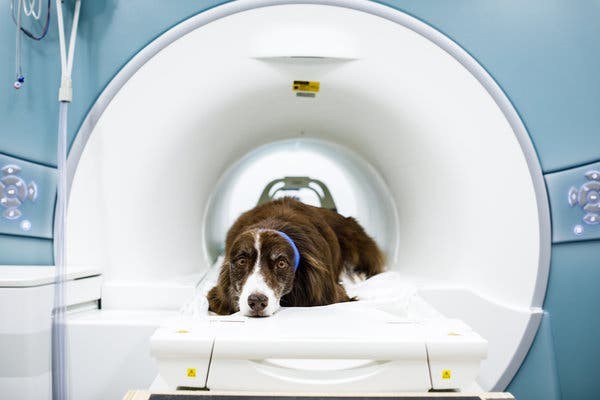
- Radiology: In this method, electromagnetic radiation is used to produce images showing the structure of the pet’s body and highlighting its internal components. Since X-rays are ionizing radiation, performing radiology has limitations for the animal itself as well as the owner and radiology staff.
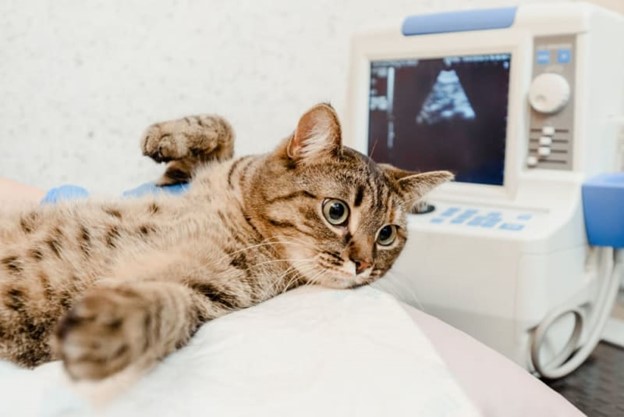
- Ultrasound: In this method, sound waves are used to generate images of the pet’s internal systems. The sound waves bounce back and forth to create the image. There is no risk from X-rays, so it can be performed multiple times.
Application of Ultrasound in Pets
Soft tissue problems in pets, such as those involving the digestive system, heart, and nervous system, are usually identified using ultrasound. However, ultrasound is not effective in cases of respiratory issues in the chest and its cavity, as air obstructs the sound waves.
Application of Radiology in Pets
Radiology with X-rays is typically used for detecting fractures in pets, but it can also reveal pulmonary abnormalities, congestive heart failure, and foreign objects in the gastrointestinal tract. That chewable plastic toy or objects your furry friend swallowed prevent radiation from passing through, thus they appear clearly in X-ray imaging.

Ultrasound, Radiology, or Both?
Several factors determine which diagnostic tool the veterinarian should use for your pet. Symptoms, health status, and behavior of your pet, along with the veterinarian’s initial observations, are among these factors. In many cases, there is good reason to use both X-rays and ultrasound to diagnose or narrow down your pet’s health issue. For example, if the veterinarian suspects that the pet has swallowed a foreign object, X-ray imaging will likely be performed first. However, if the X-ray shows an enlarged spleen, ultrasound will be used to get a better view of the spleen since it is soft tissue. In fact, the choice of either method depends on the diagnosis the veterinarian is seeking. In general, we can state the following:
- Radiology: In most cases, considerable primary changes occurring in the thoracic cavity, vertebrae, front and rear limbs or simply the legs, as well as the skull, require radiology to evaluate the overall area or potentially examine fractures, hemorrhages, displacements of organs, and superficial muscle ruptures. Of course, radiology is also applicable in the abdominal area and allows visibility and differentiation of parts surrounded by bone or air.
- Ultrasound: The most common use of ultrasound is for the abdominal area, but in some cases, it may also be applied to the chest, throat, and limbs. However, its main application in small animals or pets is in the abdominal area, allowing for a detailed examination of the structure of an organ, the internal layers comprising that organ, and what is referred to as echogenicity, or the surface and color of abdominal organs.
So, in summary, radiology shows the overall structure or how each structure relates to its neighboring structures, while ultrasound reveals the details of each structure or its constitutive layers and surface.
Note: Neither of these two tools shows the function of organs and only reports on the color, location, size, and relationship of organs with one another. Therefore, other tests, such as blood tests, are needed to assess organ functions. In most cases, specialists make diagnoses by combining testing and imaging.

Do Pets Need Sedation for Ultrasound and X-rays?
Typically, no. Most animals calm down when placed in the situation and realize that the veterinarian and staff are there to help them and will not harm them. However, there are exceptions. For instance, very young and active animals or those that are abnormally anxious may need sedation to remain calm. Overall, it depends on your pet’s personality. One situation where sedation may be necessary is during pelvic radiography, which can be more challenging for pets. However, our colleagues in the ultrasound and radiology department of the Central Veterinary Hospital are sensitive to the comfort of your pet. Therefore, rest assured, we will do everything we can to keep your pet as pain-free and anxiety-free as possible during imaging.

Advantages of ultrasound and radiology in pets
In the past, veterinary X-ray films had to appear like regular photographic films. Today, most medical imaging is digital and computerized. The advantages of using digital X-rays and ultrasound include:
- Faster viewing; essentially, the radiology and ultrasound device is connected to a computer so that images can be viewed within seconds. This allows for quicker diagnosis of the pet’s condition or disease. This means treatment can start much sooner.
- Less stress; in the past, if an image was not clear or conclusive, long waits or even rescheduling were necessary. With digital, retakes can be done on the same day, which makes it easier for pets, their owners, and veterinary staff.
- Easy sharing; when doctors need to consult another specialist, digital images can simply be emailed.

Final Words
Diagnosing a pet’s condition may require tools. Two of the most important diagnostic tools include radiology and ultrasound, which may be utilized depending on the needs of the pet. However, the use of these tools alone is not enough; reading ultrasound and veterinary radiology images requires expertise. This is a task that veterinarians must excel at to avoid mistakes. If you are looking for a reputable center to perform radiology and ultrasound for your pets, the Central Veterinary Hospital has specialized veterinarians who can do this in the best possible way.