




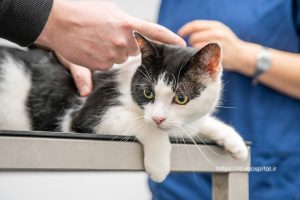


Allergy in cats is a hypersensitive reaction of the immune system to specific substances that cause allergic symptoms. These substances are known as antigens or allergens. Usually, allergens are inherently harmless (such as pollens, certain foods, or dust), but in some individuals (and animals), the body overreacts, leading to inflammation and allergic symptoms.
Cats Allergies at a Glance
Allergies in cats are very common. Cats that are allergic to multiple substances are harder to diagnose and treat. Sensitivity in cats is usually a chronic and lifelong condition that can affect the quality of life for both the cat and its owner. Some cat breeds may be more prone to allergies, but all cats can potentially develop allergies. Purebred breeds are more susceptible to respiratory allergies than mixed-breed short-haired cats. Siamese cats are more prone to food allergies. Early intervention is key to successful treatment. Therefore, contact your veterinarian as soon as you notice symptoms.

Symptoms of Allergies in Cats
In cats, allergic reactions may present in one of three forms:
- The most common form is skin itching, which can be localized or widespread across the cat’s body.
- The second form involves the respiratory system, which is accompanied by coughing, sneezing, and wheezing. Sometimes nasal or eye discharge may also be observed.
- The third form relates to the digestive system, which can cause vomiting, bloating, or cat diarrhea.
Common symptoms include:
- Excessive itching or licking, including over-grooming
- Wounds, scabs, small bumps or acne
- Red, swollen, and smooth patches on the skin (eosinophilic plaques)
- Hair loss or thinning, disorganized coat
- Coughing, wheezing
- Shortness of breath or difficulty breathing
- Sneezing
- Watery nasal discharge
- Stomach upset (vomiting, diarrhea, loss of appetite)
- Blood in feces
- Weight loss
- Swelling of the face (especially around the lips, nose, and eyes)
- Hives
- Anaphylaxis
Note: Among all the mentioned factors, you should be particularly alert for shortness of breath. Shortness of breath in cats is an emergency situation. If your cat is breathing with its mouth open or is having difficulty breathing, consult a veterinarian immediately.

Types of Allergies and Sensitivities in Cats
Cats can react allergically to various factors, and they may be sensitive to one or more allergens specified in tests. However, veterinarians have generally identified six main types of allergies in cats:
- Food allergies
- Atopic dermatitis
- Flea allergy dermatitis
- Contact allergy dermatitis – direct contact of the allergen with the skin causing a rash
- Skin reactions to medications
- Allergic bronchitis (cat asthma)
What Are Cats Allergic To?
Cats can have a wide range of sensitivities, from food and environmental allergies to flea and skin allergies. Below we will explore the different types of allergens that may affect your cat.
Food Allergies in Cats
The exact cause of food allergies in cats is not well understood. Any type of protein, carbohydrate, preservative, additive, or dye can be an allergen. Proteins play a major role, with allergies to beef, fish, and chicken being more common. Although allergies to grains, corn, or gluten are possible, they are less prevalent than reactions to primary protein sources.
- Studies show that Siamese cats and those under 6 months of age have a higher likelihood of developing food allergies. Therefore, you should be cautious about suitable kitten food.
- If your pet is not a cat, the article allergies in pets may help.

Environmental Allergies in Cats
Atopy or environmental allergy is recognized by skin inflammation and itching. Its genetic origin in cats is not well established, but it is more prevalent in breeds like Abyssinians, Devon Rex, and mixed short-haired cats under 3 years. Common causes of atopy include:
- Pollen from flowers
- Mold spores
- Yeasts
- Dust mites
- Skin flakes from animals or humans

Contact allergy dermatitis in cats is rare and occurs due to contact with substances such as:
- Plants (pollen, grass, trees)
- Topical medications, soaps, shampoos, insecticides
- Fabrics or household cleaning products
- Rice flour, chlorinated water
Flea Allergies in Cats
Flea dermatitis is a severe reaction to flea saliva. Flea allergy is the most common type of allergy in cats. Contrary to popular belief, most cats only have a mild reaction to flea bites, but cats with flea allergies can exhibit a severe reaction even to a single flea bite. This reaction occurs in response to the proteins or antigens in flea saliva. A flea bite causes intense itching, and the cat may scratch or chew itself severely, leading to hair loss, skin sores, or scabs. These areas are often found on the lower back or the base of the tail and may be accompanied by bacterial skin infection (pyoderma). In some cats, small scabs can develop on the head and neck, referred to as miliary dermatitis (because they resemble millet seeds).
The primary treatment is to prevent flea bites. Effective and affordable modern flea control products (especially monthly) have become very effective and convenient. To reduce itching, the use of corticosteroids (like prednisolone) is crucial in the early stages. If a secondary bacterial infection develops, appropriate antibiotics should be administered for 2 to 4 weeks.
Skin Reactions to Medications
Any medication can cause a skin reaction; even with a single dose or after several doses.
Common drugs that cause reactions include antibiotics, antiepileptics, antihypertensives, NSAIDs, and antiarrhythmic medications. If you notice drug-related skin reactions in your cat, be sure to inform the treating veterinarian as soon as possible and follow their prescribed instructions.
Allergic Bronchitis (Asthma)
When a cat’s immune system overreacts to airborne particles, causing inflammation or narrowing of the airways, feline asthma occurs. The triggering allergens include:
- cigarette smoke
- poorly cleaned environment
- cat litter
- hair sprays
- molds
- plant pollen
- powders
- household chemicals
- deodorizers
It is obvious that if your cat shows sensitivity to any of the above items, you should first keep the allergen away from its environment and then visit the veterinarian. Keep in mind that if this problem is not resolved and the allergens are not kept away from the cat, this disease poses a serious threat to the cat’s health. Therefore, early diagnosis and intervention for cat allergies is one of the important aspects you should definitely keep in mind.

Allergy Tests for Cats
To diagnose allergies in domestic cats, various tests are conducted. Depending on how the symptoms present and in which organs they appear, the tests may include:
- skin cytology
- skin biopsy
- patch test (for contact allergy)
- intradermal test
- chest X-ray
- elimination diet
- new protein diet
- hydrolyzed diet
- combing with a flea comb
- blood test to check white blood cells
All allergy-related tests and examinations in cats can be performed at the laboratory section of the Central Veterinary Hospital in the shortest time with the highest accuracy. Please note that interpreting allergy tests for cats must be done under the supervision of a veterinary specialist. Therefore, to avoid careless interpretations, be sure to exercise caution when choosing a treatment center.

Treating Allergies in Cats
Depending on the type of allergy, the preferred treatment for each cat varies based on the condition and severity of the allergy and depends on the veterinarian’s opinion. The treatment for affected cats includes the following:
- elimination of the allergen from the diet
- steroids (prednisolone/prednisone)
- anti-diarrheal treatment including probiotics, mild diet, and fiber supplements
- anti-nausea medication such as cerinia or ondansetron
- immunotherapy (allergy vaccine)
- immunosuppressive drugs like cyclosporine
- immune modulators like Apoquel
- antibiotics or antifungals for secondary infections
- pain medications (Onsior or gabapentin)

- topical treatments
- antihistamines (chlorpheniramine)
- flea and tick treatments
- anti-allergy shampoos and wipes
- hospitalization
- oxygen therapy
Care and Management of Allergies in Cats
Over time, with the careful follow-up of the pet owner and cooperation with the veterinarian, allergies in cats can be controlled, allowing the cat to have a good life. Therefore, allergies in cats are not completely curable, but with supervision and early treatment in case of recurrence, the cat can quickly return to normal status. Risk factors (especially in environmental allergies) include areas with a long allergy season and high pollen. Some allergies, such as flea allergy and contact dermatitis, become more chronic and severe with the cat’s age. Our veterinarians at the Central Veterinary Hospital can determine the best management method based on the specific condition of your cat.
Key Points
In this article, we covered everything you need to know about allergies in cats. In conclusion, it is essential to reiterate the key points of the article:
- Allergies in cats are very common.
- Cats can be allergic to a variety of substances.
- Over time, the commitment of caring owners and close cooperation with the veterinarian can help manage allergies in cats.
Frequently Asked Questions
How can we tell if our cat has allergies? Allergic cats usually have skin problems and itching. This does not necessarily mean they have an allergy, but it is a possibility. Only testing by a veterinarian can provide an accurate diagnosis.
What medication is good for cat allergies? Always consult with a veterinarian before giving any medication or supplement. Treatment may vary depending on the type of allergy and may involve a combination of diet and medication.
What are the most common allergies in cats? Food allergies and environmental allergies are among the most common issues.