



Toxic foods for cats are more common than many owners realize. Cats are like family members, and that’s why it is natural to share many things with them, including our meals. However, sharing a plate of food can harm your cat’s health. Before sharing food with your cat, make sure you know the difference between toxic and safe foods. In this article, you will learn about 15 forbidden foods for cats.
Forbidden foods for cats; 15 harmful and toxic substances
The list of forbidden foods for cats is quite diverse. In this article, we will discuss 15 of the most common ones. There may be other harmful foods that your cat might be allergic to not included on this list. Therefore, if a substance is not mentioned in this list, it does not mean it is safe. The behavior and reaction of your cat is the criterion. If your cat shows allergic reactions even to safe foods, you should take it seriously and consult a veterinarian.
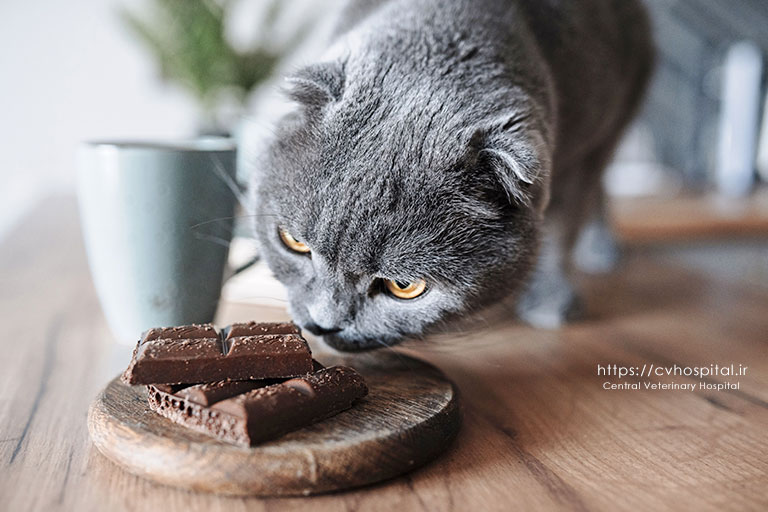
1. Chocolate
Chocolate tops the list of harmful foods for cats. It contains substances called methylxanthines (specifically theobromine and caffeine) that are toxic to pets and can cause vomiting, diarrhea, trembling, seizures, and death. The concentration of methylxanthines varies among different types of chocolate. Cocoa powder is the most dangerous, while white chocolate has the least risk.
2. Dairy Products
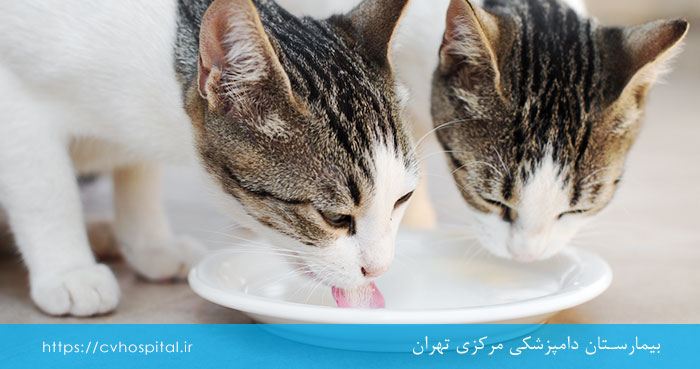
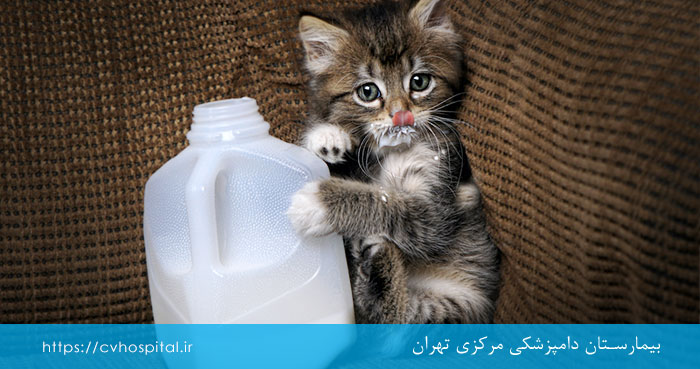
Feeding cats dairy products can lead to digestive problems because many cats are lactose intolerant and cannot properly digest dairy (milk, cheese, yogurt). The safest method is to avoid them altogether, but you can ask your veterinarian if lactose-free alternatives are acceptable.
3. Citrus Fruits
Citrus fruits like lemon, lime, orange, clementine, and grapefruit contain citric acid and oils that can cause problems in cats. All parts including the stem, leaves, peel, fruit, and seeds should be avoided. While small amounts may only cause stomach upset, larger amounts can lead to diarrhea, vomiting, and depression of the central nervous system.
4. Salt
Salt and salty foods can cause vomiting, diarrhea, trembling, seizures, and death in pets when consumed in large amounts. So it’s not surprising to see salt on the list of ten dangerous foods for cats. Note that if your cat is not eating, never add salt to food to entice it.
5. Raw Eggs
Raw eggs may be contaminated with salmonella. Symptoms of infection include vomiting, diarrhea, and fever. Raw eggs also contain avidin, an enzyme that prevents the absorption of biotin in cats, a vitamin crucial for healthy skin and coat.
6. Raw or Undercooked Meat
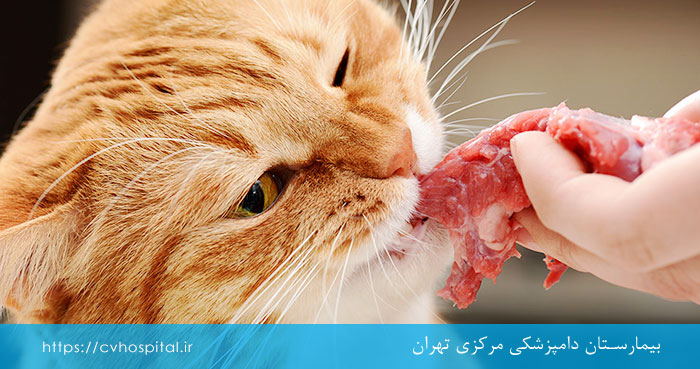
Raw or undercooked meat is classified as harmful food for cats as well, and cats consuming raw or undercooked meat can get contaminated with salmonella and E. coli. So remember, despite your cat’s liking for meat, do not give it raw.
7. Raw Fish
Raw fish, like raw meat and eggs, can carry bacteria that cause food poisoning. Therefore, you should cook this beneficial food properly and serve it cooked to your cat.
8. Some Vegetables and Plants like Onion and Garlic
Although cats can eat some vegetables, onions, garlic, leeks, shallots, and spring onions are harmful to them and can cause digestive problems and even damage to red blood cells. Foods containing these vegetables and plants, like garlic bread, should also be avoided.
9. Grapes and Raisins
If you are asking about forbidden fruits for cats, grapes and raisins are harmful. While the exact reason for the toxicity of grapes and raisins in pets remains unknown, there is evidence that feeding cats (and dogs) grapes and raisins can lead to kidney failure and kidney diseases in cats.
10. Nuts and Dried Fruits
Macadamia nuts are toxic to pets, and like grapes, the exact mechanism of toxicity remains unknown. Other types of nuts, including almonds, walnuts, and pecans, are high in oils and fats that can cause digestive upset and potentially even pancreatitis in cats.
11. Coffee and Tea
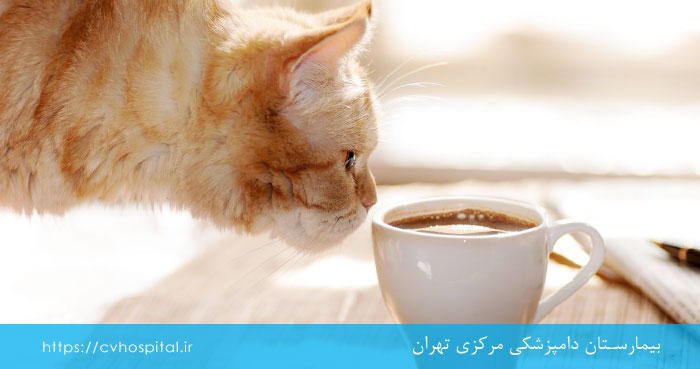
Coffee, like chocolate, contains methylxanthines caffeine, and therefore can have the same effects mentioned regarding chocolate. So keep both coffee powder and brewed coffee away from cats. Tea is also harmful to cats as it contains caffeine, and cats lack the necessary enzymes to break down caffeine, making tea dangerous for them.
12. Coconut and Coconut Water
Fresh coconut milk and its meat can cause digestive problems in pets, although small amounts are unlikely to cause serious harm. Coconut water is high in potassium, which is harmful to pets, although coconut oil may be beneficial for some skin problems in cats. Consult your veterinarian before using this remedy as a holistic treatment or incorporating it into your cat’s diet.
13. Yeast Bread Dough
Yeast dough can expand and cause bloating in the stomach. Additionally, yeast produces alcohol as a byproduct.
that have specific problems, they should keep cats away from yeast and dough. However, baked bread in small quantities is considered safe for healthy cats.
14. Xylitol
Xylitol is a common sweetener found in packaged products like gum and candies that can lead to vomiting, lethargy, and liver failure in pets. Therefore, cats that tend to search through bags or drawers for food may accidentally get poisoned by items like gum.
15. Alcohol
Beverages and foods containing alcohol can cause serious problems in pets, including vomiting, diarrhea, respiratory issues, coma, and death.
Prohibited Foods for Kittens
Since kittens are more sensitive than adult cats, their diet needs to be adjusted with more care and limitation. In addition to avoiding the previously mentioned prohibited foods for cats, here are other important points to consider:
- Keep track of the amount of milk consumed by the kitten; excessive milk can be harmful.
- Do not add any sweeteners to its food.
Can I feed my cat human food?
Cats have specific nutritional needs that must be met by their diet. The easiest and most convenient way to meet a cat’s nutritional needs is to provide a complete and balanced commercial diet approved by a veterinary nutritionist or a PhD holder in animal nutrition. However, some human foods are not prohibited for cats, which we will discuss below.
Which human foods are safe for cats?
There are several human foods that are safe for cats as long as they do not make up more than 10% of a cat’s daily intake. In fact, if a cat consumes 250 calories a day, no more than 25 calories should come from unbalanced food sources. Otherwise, your cat may become overweight. So, talk to your veterinarian before adding any new human food to your pet’s diet.
A Quick Overview
The list of prohibited foods for cats is quite extensive. In this article, we discussed 15 of the most common toxic foods for cats, including: chocolate, dairy, citrus fruits, salt, raw eggs, raw or undercooked meat, raw fish, certain vegetables and plants like garlic and onions, grapes and raisins, nuts and dried fruits, coffee and tea, coconut and coconut water, yeast, xylitol, and alcohol. If you suspect or know that your cat has consumed something from the toxic list, contact your veterinarian as soon as possible. You don’t have to wait until the cat shows signs of illness to seek help. The sooner you address any potential problems, the better. Our colleagues at the Central Veterinary Hospital accept poisoned patients 24/7 and provide immediate treatments for their recovery.
Frequently Asked Questions
Is chicken skin harmful for cats?
Chicken skin is not inherently harmful to cats and can even be a good source of healthy fats and protein. However, excessive consumption may cause weight gain and gastrointestinal discomfort like diarrhea due to its high fat and cholesterol content. Therefore, it is best consumed in moderation and cooked without spices.
Is cream harmful for cats?
Yes, cream is not an appropriate choice for feeding cats. Most cats’ digestive systems cannot digest lactose found in dairy products, including cream, which can lead to gastrointestinal issues such as bloating, diarrhea, or stomach discomfort.
Is butter harmful for cats?
Yes, butter can be harmful to cats due to its high-fat content. Its consumption may lead to obesity, gastrointestinal issues, and increased cholesterol levels. It is advisable to avoid feeding butter to your cat.
Is halim suitable for cats?
No, halim is heavy and unsuitable food for cats. Due to ingredients like cooked meat, grains (such as wheat and barley), oil, and sometimes spices, this food is heavy for the sensitive digestive system of cats and may cause stomachache, diarrhea, bloating, or vomiting.
What happens if a cat eats raisins?
Raisins and grapes are toxic to cats and may lead to kidney failure. If a cat accidentally consumes these foods, it may show signs like restlessness, unusual hyperactivity, and frequent vomiting, requiring immediate veterinary attention.
Is sausage harmful for cats?
Yes, sausage is not suitable for cats due to its high fat, salt, preservatives, and spices, which can lead to obesity, gastrointestinal issues, and increased risk of chronic diseases.
Is beet harmful for cats?
Beet is not on the list of prohibited foods for cats, but due to its natural sugar content and high fiber, it may cause digestive disturbances. Therefore, it is better to give it in small amounts and with caution.
Can kittens eat tangerines? No. Keep tangerines completely out of reach of kittens, as this fruit is toxic to them and can even be deadly.
Is tripe beneficial for cats?
Tripe can be a rich and nutritious protein source for cats.
It can be beneficial, as it contains important minerals and vitamins. However, it should be used in moderation and alongside other food sources such as red meat, chicken, or fish, not as the main or daily food.
Source: dailypaws